Air Separation Unit commissioning is the structured process of verifying mechanical completion, system readiness, utilities, instrumentation and controls, process systems, operating documentation, and personnel before introducing process conditions and progressing toward startup, performance testing, and plant handover. Effective preparation reduces avoidable interface problems and gives the operating team a clear basis for controlled startup, product-quality verification, performance testing, and plant handover.
What Does Air Separation Unit Commissioning Include?
Equipment and System Readiness
Commissioning begins with a structured review of installed equipment and the connections between systems. The commissioning team should verify Mechanical Completion of each commissioning subsystem, confirm the defined commissioning boundary, review system-turnover documentation, and classify outstanding punch-list items according to their impact on safe commissioning and startup.
Utility and Pipeline Readiness
An industrial gas plant cannot start on equipment readiness alone. Required utilities typically include electrical power, instrument air, cooling water, nitrogen and other process or plant utilities defined by the project design. Supporting services such as drainage, HVAC and fire protection should also be confirmed where applicable. The commissioning plan should define cleaning, drying, inspection, pressure/leak testing, purging, and final acceptance requirements in accordance with the applicable project specifications and oxygen-service standards.
Control and Safety Coordination
Control-system commissioning should include verification of DCS/PLC functions, alarms, permissives, interlocks, shutdown logic, and relevant cause-and-effect functions in accordance with approved project documentation. Teams should confirm who authorizes each stage and how abnormal findings are reported.
What Should Be Checked Before ASU Startup?
Site and Equipment Inspection
A pre-start inspection should confirm that the installation matches the approved project documentation available to the operating team. Pre-start inspection should verify equipment identification against P&IDs, line lists and approved drawings, as well as valve line-up, instrument installation and calibration, pressure relief devices, piping supports, insulation and heat tracing where applicable, vents and drains, rotating-equipment readiness, access, and housekeeping.
Utility Availability
Utility checks should address availability, stability, communication, and responsibility at every interface. Utility readiness should be evaluated in terms of availability, capacity, pressure, temperature, quality, reliability, and operational ownership—not simply whether a utility connection is physically present. The commissioning schedule should therefore reflect the actual readiness of both the ASU area and the wider industrial site.
Product Pipeline Connections
Product pipelines connect the air separation plant to production, so their status affects both startup and downstream coordination. The teams responsible for oxygen, nitrogen, and argon services, where included in the plant configuration, should agree on isolation points, operating boundaries, and when a receiving system is ready. Product introduction must follow the site's approved procedures and the conditions defined for the project.
How Is an Air Separation Unit Started?
Initial System Checks
Industrial gas plant startup proceeds through planned checks rather than a single startup action. Before startup, operators and commissioning personnel verify equipment line-up, utility conditions, instrument availability, control-system status, alarm and interlock readiness, valve positions, communication channels, and approved operating procedures. Recorded results provide a documented basis for determining whether the next commissioning stage can proceed or whether an issue must first be resolved.
Product Quality Confirmation
Product quality is confirmed only after the plant reaches the conditions required by the agreed commissioning procedure. Oxygen, nitrogen, and argon requirements differ by project and industrial duty, so acceptance criteria must come from approved documentation rather than generic assumptions. Pipeline release and downstream use should remain coordinated with the responsible site teams.
Why Does Operator Training Matter During Commissioning?
Understanding Normal Operation
ASU operator training connects the installed plant with daily operating discipline. Operators need to understand system boundaries, normal indications, routine checks, communications, and the relationship between product flow, pressure, purity requirements, and downstream demand. Training during commissioning also allows operators to relate operating procedures and control-room indications to the installed equipment and process systems.
Responding to Operating Changes
Operators should know how to identify changes, follow approved response procedures, and escalate conditions outside their authority.
Coordinating With Downstream Users
Reliable ASU operation depends on defined communication protocols and clear ownership of product and utility interfaces. Operators should know which users are ready, which duties have priority, and which organization has operational control and release authority for each pipeline interface. This coordination is especially important when production schedules change or when a receiving process is introduced after the ASU has reached suitable conditions.
How Commissioning Differs by ASU Configuration
Small-Scale ASU
Commissioning should focus on package and equipment interfaces, utilities, instrumentation, air purification, turboexpansion, fractionation, and cryogenic-system readiness. Where applicable, cold-box cooldown and downstream oxygen and nitrogen connections should also be verified.
Large-Scale ASU
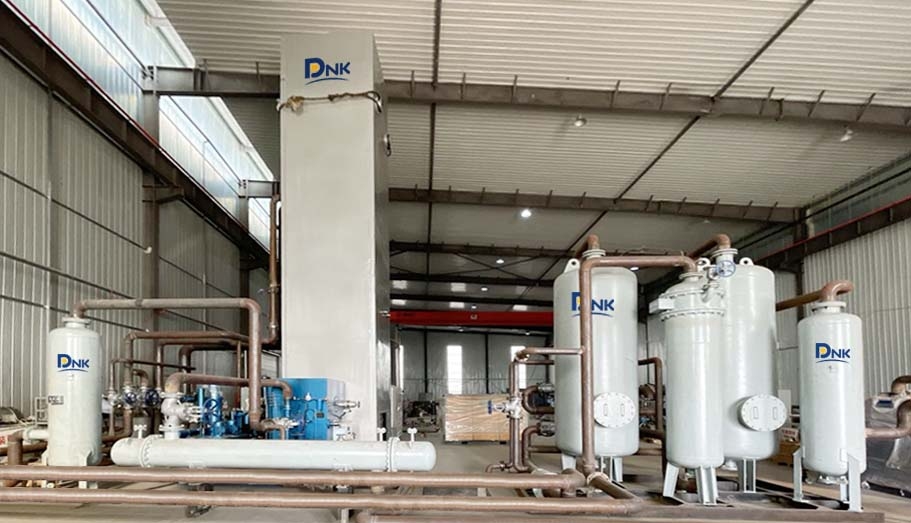
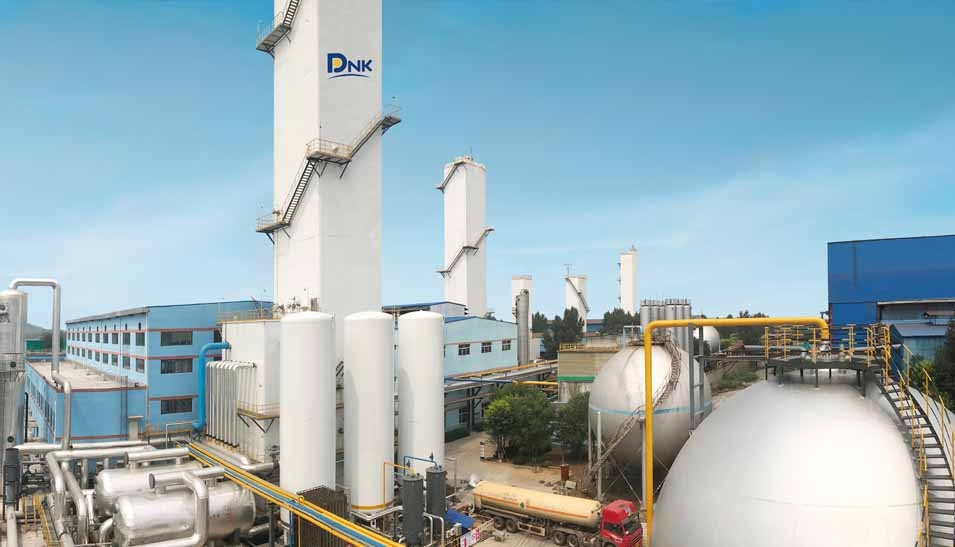
Large-scale ASUs typically require more extensive coordination of utilities, control systems, product pipelines, and downstream facilities. Commissioning should verify air purification, cryogenic equipment, product systems, and relevant process interfaces before stable operation and product acceptance.
Gaseous ASU
Gaseous ASUs should be commissioned according to their specific process configuration and operating philosophy. Particular attention should be given to process pressure, gas-product routing, instrumentation and controls, utility conditions, and downstream receiving-system readiness.
Full-Liquid ASU
Full-liquid ASUs place greater emphasis on liquid oxygen and liquid nitrogen production, cryogenic systems, and liquid-product storage or transfer interfaces. Commissioning should verify the relevant cryogenic equipment, instrumentation, controls, and liquid-product systems before product release.
The final commissioning sequence should always follow the approved process design, equipment configuration, OEM procedures, project specifications, and site requirements.
Commissioning Considerations for Different ASU Applications
Steel and Non-Ferrous Metallurgy
Metallurgical sites may connect an ASU to several oxygen, nitrogen, and argon users with different operating priorities. Commissioning planning should reflect furnace or refining schedules, pipeline boundaries, and coordination between central utilities and production units. The readiness decision must consider the complete gas network, not only the air separation equipment.
Chemical and Petrochemical Plants
Chemical and petrochemical applications often require careful coordination of nitrogen and oxygen services with process-area procedures. Startup boundaries, isolation status, communications, and receiving-system readiness should be unambiguous. The commissioning plan should integrate ASU activities with the site's wider process controls and safety management requirements.
How Does DINAK Support Air Separation Unit Commissioning?
Engineering and Project Coordination
DINAK provides engineering and project services that include engineering, project management, construction, assembly, and staff training. These services can support project coordination and preparation for plant installation, training, and handover, depending on the project scope and contractual responsibilities.
Construction and Assembly Support
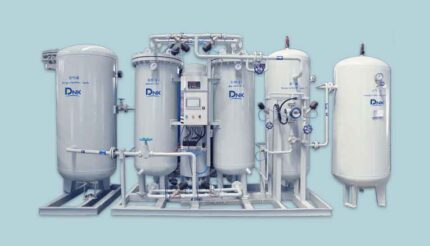
DINAK's industrial Air Separation Unit solutions include small-scale, large-scale, gaseous, and full-liquid configurations. Construction and assembly coordination should be matched to the selected plant and its site conditions so that completion status, access, piping interfaces, and remaining work are understood before startup.
Staff Training and Handover
The DINAK service scope supports staff training as part of the project pathway. An effective handover should integrate operating documents, training records, responsibilities, and open-item status with the physical plant. This gives the owner a clearer foundation for routine operation after the commissioning activities are complete.
What Common Commissioning Risks Should Be Avoided?
Incomplete Utility Connections
Incomplete or poorly defined utility interfaces can interrupt the commissioning sequence even when major equipment is installed. Teams should confirm actual availability and ownership rather than relying on planned completion dates. Changes to site conditions should be communicated before they affect the next startup stage.
Unclear Responsibility at Interfaces
Ambiguous boundaries between the ASU team, utility providers, construction groups, and downstream users create avoidable delays and unsafe assumptions. Each interface needs a named responsible group and an agreed release method. Shift handovers should preserve the same clarity when commissioning continues across operating periods.
Missing Operating Documentation
Operators need current, approved documents that match the plant condition being commissioned. Missing procedures, unresolved revisions, or incomplete records make it difficult to judge readiness and respond consistently. Document control should therefore progress alongside equipment completion, training, and site handover.
Conclusion
Air Separation Unit commissioning turns installed equipment into a coordinated industrial operating system. Its value comes from disciplined readiness checks, controlled startup, product-quality confirmation, trained operators, and clear responsibility across every site interface. By connecting engineering, construction, assembly, training, and handover, DINAK helps industrial teams prepare an Air Separation Unit commissioning pathway around real project conditions.
Explore DINAK's industrial air separation solutions to strengthen commissioning readiness for your next project.
FAQ
A: Air Separation Unit commissioning includes readiness checks for installed equipment, controls, utilities, pipelines, documentation, operating responsibilities, and personnel. It then supports a controlled startup sequence and confirmation of product conditions under the project's approved procedures. The exact activities depend on the selected ASU configuration and the industrial site's interfaces.
A: Oxygen and nitrogen pipelines connect the ASU with industrial users, so their isolation, readiness, cleanliness responsibilities, and operating boundaries must be clear. The receiving facility should confirm when it can accept product. Pipeline release must remain coordinated with product-quality confirmation and the site's approved operating and safety procedures.
A: Operator training helps staff understand system boundaries, normal indications, routine checks, alarm response, communications, and downstream coordination. During commissioning, operators can connect written procedures with actual equipment and control functions. Training also supports a structured handover, but it does not replace approved operating instructions or site authorization requirements.
-430x247.jpg)
内页小-430x246.jpg)