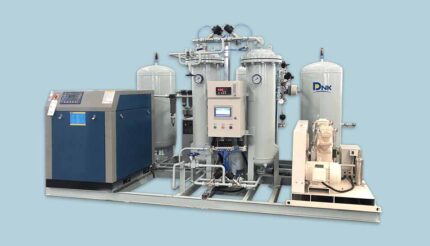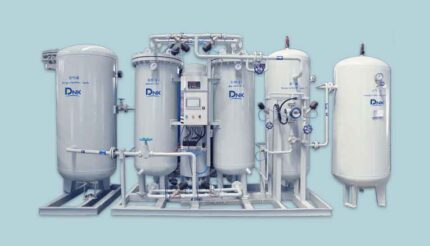
In chemical and petrochemical plants, ASUs supply oxygen and nitrogen for process applications, including oxidation, oxygen-enriched combustion, chemical synthesis, inerting, blanketing, purging, seal gas service and other industrial gas requirements. DINAK offers gaseous, full-liquid, small-scale, and large-scale ASU categories that can be considered according to product form, demand, quality, pressure, utilities, and site conditions.
Why Do Chemical Plants Use Air Separation Units?
Oxygen for Suitable Process Duties
Oxygen from an ASU can be supplied for oxidation processes, oxygen-enriched combustion, chemical synthesis and other process-specific applications where oxygen is part of the approved process design. The actual duty depends on the process route, receiving unit, operating schedule, and product conditions.
Nitrogen for Inerting, Purging and Process Protection
Nitrogen is used for inerting, purging, sealing, blanketing, and process protection. These applications help control oxygen concentration and limit atmospheric oxygen ingress in tanks, vessels, pipelines and other designated process systems. The required purity, pressure, flow rate, demand profile and operating responsibility at each point of use should be defined before the ASU configuration is selected.
On-Site Industrial Gas Supply
A chemical site may have several units using gas at different times or under different conditions. An on-site ASU should be integrated with the plant's industrial gas distribution network, including product headers, battery limits, pressure-control systems and downstream points of use.
How Is Nitrogen Used in Chemical and Petrochemical Plants?
Tank and Vessel Inerting
Nitrogen is commonly used for tank blanketing and vessel inerting to limit oxygen ingress and maintain the required process atmosphere. The design basis should define vessel volume, normal and maximum nitrogen demand, operating pressure, required oxygen concentration, purge sequence and control philosophy.
Pipeline Purging
Nitrogen purging may be required during commissioning, startup, shutdown, maintenance, line breaking, process changeover and controlled isolation. Purging requirements depend on the equipment, purge method, gas volume, flow rate, pressure and endpoint criteria specified by the plant procedure. The ASU supplier, EPC team and plant owner should define the battery limits, isolation points, quality monitoring responsibilities and operating interfaces during the engineering stage.
Equipment Sealing and Blanketing
Nitrogen may also be used as a seal gas or buffer gas for selected rotating equipment and as a blanketing gas for tanks and process vessels. The required pressure, purity, flow rate and operating mode depend on the equipment design. Demand may be continuous or event-driven, and several users may operate together. Defining priority users and operating schedules helps the plant plan a gaseous nitrogen supply that reflects actual plant load profile.
How Is Oxygen Used in Chemical Processing?
Oxidation-Related Duties
Oxygen can be considered where a chemical process specifically requires an oxidizing gas. The engineering basis should describe the process duty, product quality, delivery pressure, demand pattern, and receiving-unit controls. No universal oxygen requirement applies to every chemical product or production route.
Oxygen-Enriched Combustion and Process Oxygen
Suitable chemical facilities may use oxygen for combustion support or other process functions. Selection should follow the documented operating case and the site’s utility and safety conditions.
Oxygen Purity, Pressure and Delivery Requirements
Oxygen quality and pressure should be defined at an agreed delivery or sampling point. Pipeline routing, pressure control, isolation, and downstream readiness can affect gas conditions at the downstream delivery point. Clear measurement responsibility helps production and engineering teams interpret the specification consistently.
What Should a Chemical Plant Specify Before Choosing an ASU?
Product Type and Form
Start by defining whether the main requirement is gaseous oxygen and nitrogen or liquid oxygen, nitrogen, and argon. Product form affects the plant concept, delivery route, and distribution plan. Secondary products should be identified separately from essential process gases.
Product Purity, Impurity Limits and Delivery Pressure
Define product purity and impurity limits at the agreed delivery point. For example, nitrogen specifications may be expressed by residual oxygen concentration rather than by a simple percentage purity value.
Demand and Operating Schedule
Document normal, peak and minimum demand; simultaneous consumption; turndown requirements; startup and shutdown demand; emergency demand; and future capacity expansion. These parameters establish the required ASU capacity, turndown range and operating envelope. It also helps the project team coordinate gas supply with process-unit schedules.
Utility and Site Conditions
Power, cooling arrangements, climate, altitude, access, pipeline routing, and downstream interfaces influence project planning. These conditions should be reviewed with engineering and operations personnel before the ASU family is finalized.
Which DINAK ASU Configuration Fits Chemical Applications?
Gaseous ASU for Connected Process Users
DINAK’s Gaseous ASU category is relevant when a chemical or petrochemical plant primarily needs gaseous oxygen and nitrogen. The project basis should still define demand, purity, pressure, pipeline interfaces, utilities, and operating priorities before the final solution is selected.
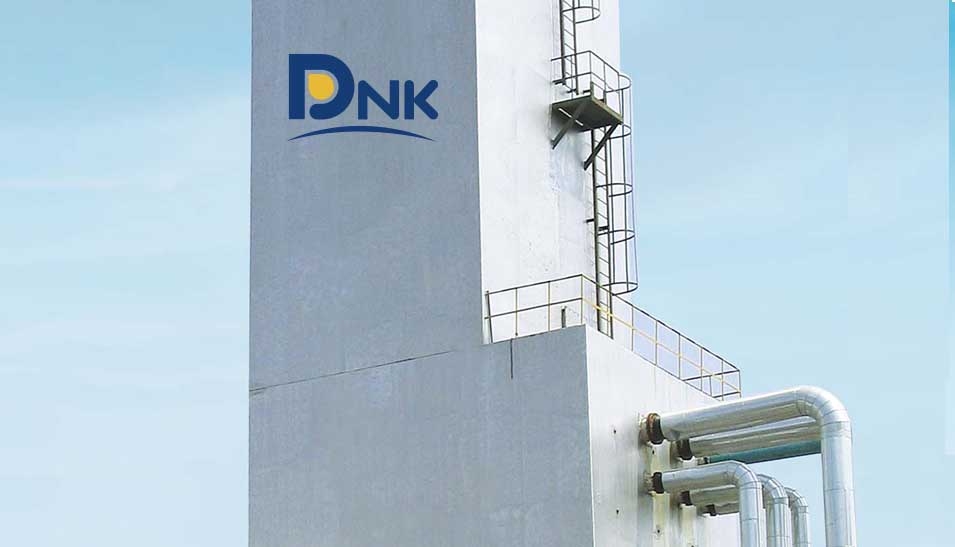
Large-Scale ASU for High-Capacity Plants
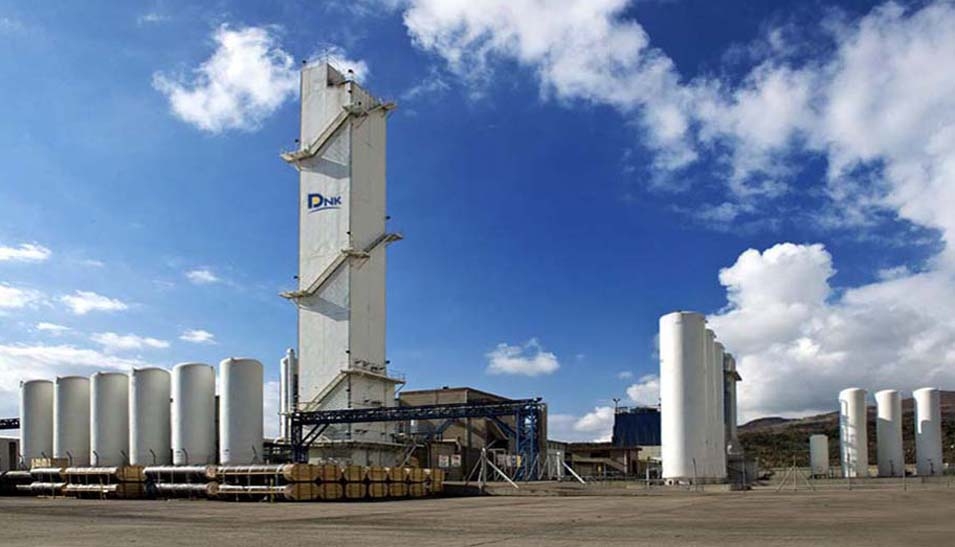
DINAK’s Large-Scale ASU is designed for high-volume production of oxygen and nitrogen, with argon production available in applicable configurations. Selection should follow the site’s product balance, connected users, operating conditions, and project interfaces.
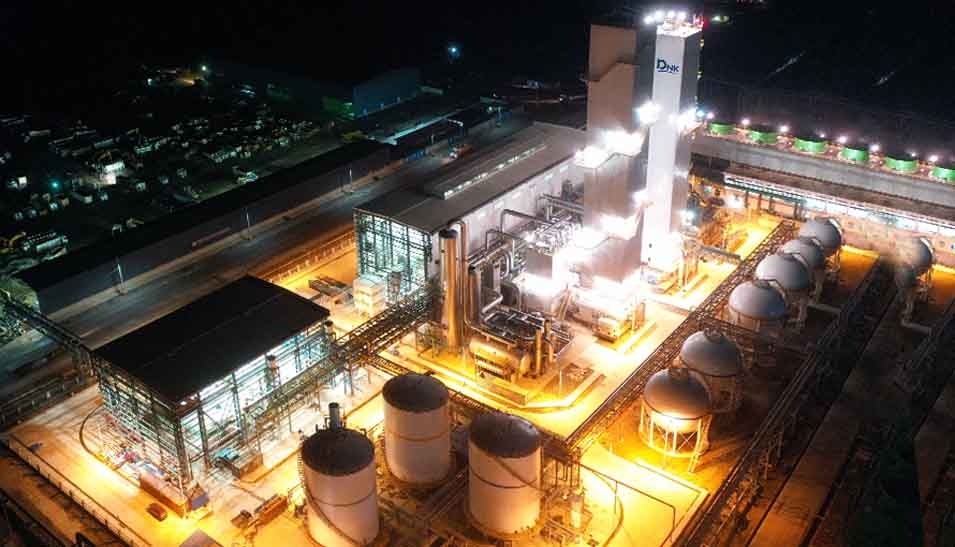
Full-Liquid and Small-Scale Options
DINAK's Full Liquid ASU is designed primarily for liquid oxygen and liquid nitrogen production, with argon available in applicable configurations. It is intended mainly for liquid-product output and may produce no gas products or only a small amount of gaseous product. The choice depends on product form, demand, quality, utilities, access, and operating responsibilities.
How Should ASU Products Connect With Chemical Units?
Process-Boundary Definition
The project should define the ASU battery limits, product delivery points and interfaces with downstream process units. Clear battery limits should define piping, valves, instrumentation, control signals, quality monitoring and operating responsibilities. This reduces ambiguity when several chemical units share a gas network.
Pipeline Routing and Isolation
Branches, isolation points, pressure-control arrangements, and downstream unit readiness affect how oxygen and nitrogen are delivered. These interfaces should be reviewed with site operations and safety teams. The distribution system should be designed to maintain the specified product pressure, flow, purity and availability at each defined point of use.
Product Quality at the Receiving Point
Product quality should be specified and verified at the agreed delivery point or battery limit, rather than only at the ASU outlet. Sampling, documentation, and communication responsibilities should be agreed before routine operation. This gives the plant a practical basis for monitoring its industrial gas supply.
How Does DINAK Support Chemical Plant ASU Projects?
Engineering and Project Management
DINAK’s stated service scope includes engineering and project management. These activities can connect the gas requirement with equipment selection, site interfaces, documentation, and the planned project sequence. The plant owner remains responsible for process operating procedures, process safety requirements and final operating decisions.
Construction and Assembly
Construction and assembly coordination supports the transition from design to an installed plant. Responsibilities for access, connections, completion status, and handover should be clear before the gas system is introduced to process users.
Staff Training and Handover
DINAK’s service scope includes staff training. Training can connect operating documents with product routes, routine checks, and communication responsibilities. A structured handover gives the chemical plant team an operating basis for routine operation.
Common Planning Errors to Avoid
Choosing Quality Without a Process Basis
Generic purity assumptions can make a specification unclear or unsuitable. Start with the chemical duty, receiving equipment, quality sensitivity, pressure, and operating schedule.
Ignoring Downstream Interfaces
An ASU plan can be incomplete if it ignores pipeline routing, isolation, receiving-unit readiness, or responsibility at shared interfaces. These items should be reviewed alongside equipment selection.
Treating Every Chemical Plant as the Same
Chemical and petrochemical facilities differ in products, gas users, utilities, and schedules. DINAK selection should follow documented site requirements.
Conclusion
Air Separation Unit applications in chemical processing depend on the plant’s oxygen and nitrogen duties, product form, quality, pressure, demand pattern, utilities, and downstream interfaces. DINAK’s ASU categories and engineering services support a project-specific approach to industrial gas supply without relying on universal performance claims. Explore DINAK’s industrial air separation solutions for chemical and petrochemical gas requirements.
FAQ
Q: What are the main Air Separation Unit applications in chemical plants?
A: Main applications include oxygen for suitable oxidation or process duties and nitrogen for inerting, purging, blanketing, sealing, and equipment protection. Chemical and petrochemical users may require different product forms, pressures, qualities, and schedules, so the ASU should be selected from documented process conditions.
Q: Why do petrochemical plants use nitrogen from an ASU?
A: Petrochemical plants may use nitrogen to establish controlled atmospheres, purge pipelines, protect equipment, support sealing, and isolate process areas. The exact requirement depends on the equipment, procedure, pressure, quality, and operating schedule. Nitrogen planning should also define the receiving interface and responsibility for quality confirmation.
Q: When is a gaseous ASU suitable for chemical processing?
A: A gaseous ASU is relevant when the main requirement is a continuing supply of gaseous oxygen and nitrogen to connected chemical or petrochemical users. The project should define product quality, pressure, demand, utilities, pipeline interfaces, and operating priorities before selecting the final configuration.