The Importance of Heat Exchanger Choice
In the world of Air Separation Units (ASUs), efficiency and reliability are non-negotiable. A key factor in achieving both is the selection of the right heat exchanger. The heat exchanger plays a pivotal role in regulating the temperature balance between different process streams, directly influencing energy consumption, output consistency, and long-term operational costs. When optimized, it can drastically reduce energy usage and maintenance needs, ensuring that your ASU performs at its best, day in and day out. Whether you're designing a compact mobile gas plant or a large-scale industrial system, understanding the crucial role of heat exchangers in ASU systems is essential for lowering costs and maximizing uptime.
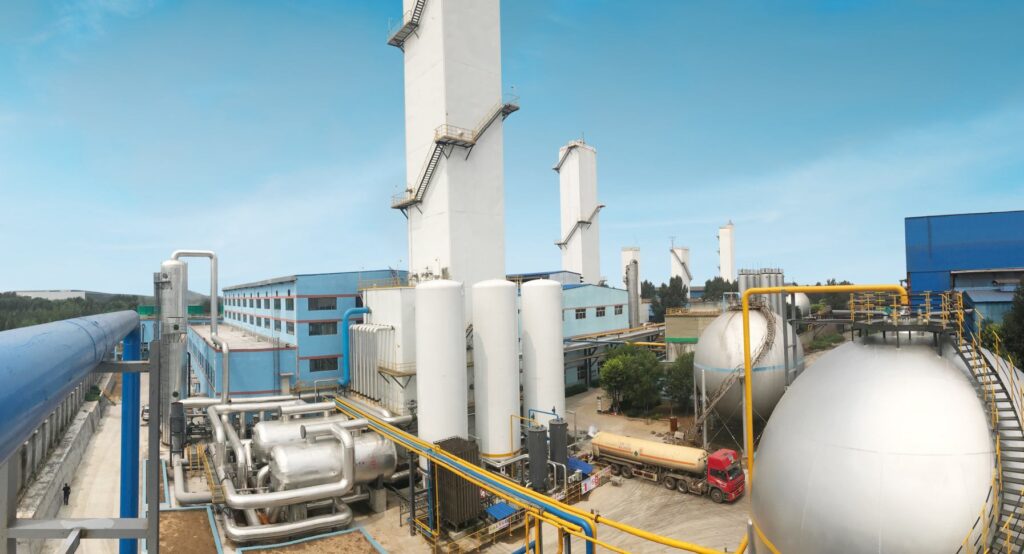
At DINAK, we focus on achieving optimized energy consumption, a cornerstone of our engineering philosophy. We aim for low energy consumption and strong energy efficiency. Our designs draw on proven process methods and thermal linking improvements. As a result, the unit's gas power needs stay well below the typical industry level. This idea applies to how we pick heat exchangers, too. Every ASU we supply runs with top thermodynamic performance.
The correct heat exchanger selection affects plant results over time. It cuts running costs, shortens stoppages, and supports steady work under changing loads. DINAK brings more than 20 years of knowledge in gas processing and liquefaction technologies. We know that fine-tuning this part can lengthen equipment life and boost overall plant dependability.
Comparing Heat Exchanger Types
Plate-Fin Heat Exchangers in ASUs
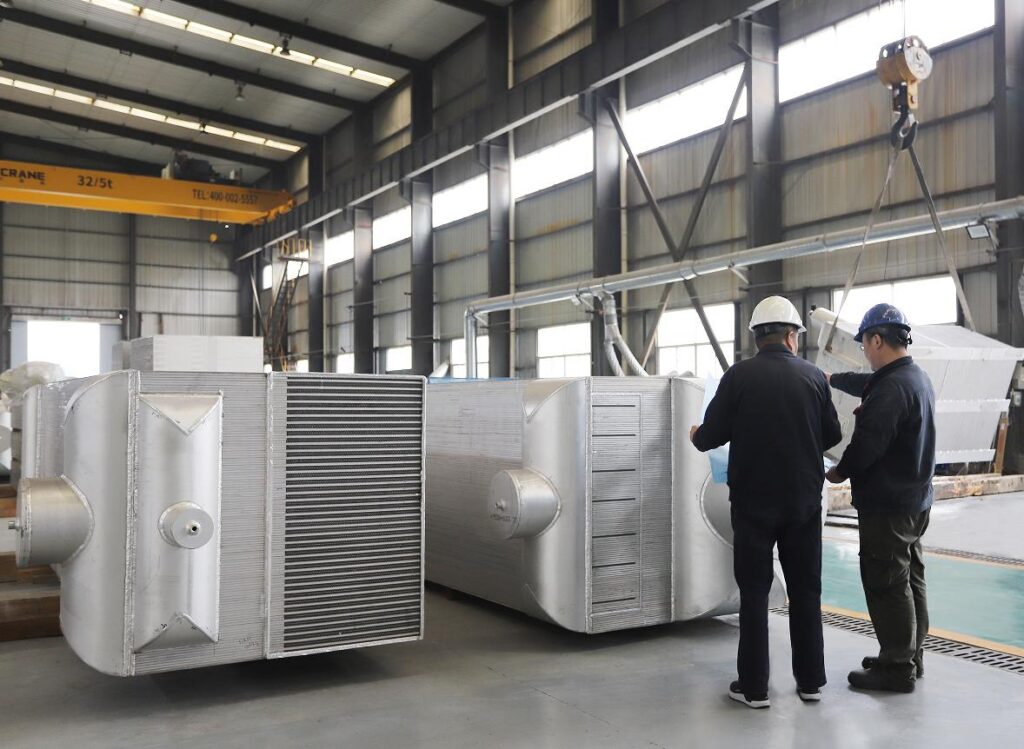
Plate-fin heat exchangers are commonly used in cryogenic ASUs. Their small size and large heat transfer area make them popular. They deliver good thermal results. However, operators must handle them with care to avoid clogs or stress from pressure changes. These units fit best in spots where saving space matters most. In tight setups like mobile gas plants, plate-fin designs save space while handling cold streams effectively.

Shell and Tube Heat Exchangers in ASUs
Shell and tube setups stay a top pick for big industrial systems. Their sturdy build and simple upkeep draw users in. The layout lets workers clean them easily. This works well for processes with dirt or shifting conditions. In ASUs that face uneven loads or high pressures, shell and tube units offer toughness that others can't match.
Comparison of Applications and Suitability in Large-Scale ASUs
Plate-fin units shine in small cryogenic arrangements. On the other hand, shell and tube types hold an edge in tough air separation plants. These plants need reliable work for many years. DINAK's Large-Scale ASU systems follow rules for long steady runs, low energy use, and simple handling and care. Thus, the decision between plate-fin and shell-and-tube heat exchangers should be based on specific plant requirements, such as space efficiency or operational durability.
Advantages of Shell and Tube Heat Exchangers
Structural Strength and Durability
Shell and tube exchangers handle high pressures without bending or leaking. Their setup supports nonstop work, even with big temperature gaps common in cryogenic air separation processes. They offer a long life and solid reliability. The main parts use top materials and tested methods. This guarantees the gear lasts and runs steadily for years on end. Such strength suits large-scale ASUs in fields like steelmaking, petrochemical work, or aerospace tasks.
Maintenance and Cleaning Benefits
Easy upkeep ranks high among shell and tube benefits. The design gives clear access for mechanical or chemical cleaning. Workers avoid tricky takedown steps. DINAK's after-sales support features upkeep deals that lower investment risks. These include fixes for surprises, remote help, parts handling, and prevention care supplies. With our team's guidance, users keep stoppages low and efficiency high.
Technological Advancements in Heat Exchangers
Evolution in Design and Materials
Recent developments focus on enhancing heat transfer performance with materials such as cryogenic-grade stainless steel and multi-layer condenser-evaporators. Adding multi-layer setups in condenser-evaporators boosts steadiness too. The main condenser-evaporator draws on a fresh, multi-layer patented method. This raises heat transfer and lifts equipment steadiness and cost savings in runs. These steps not only improve results but also extend service under hard settings.
Impact on Energy Consumption and Operational Costs
Saving energy drives tech progress. Better heat exchange cuts the need for compressor effort. This leads to less power per gas unit made. At DINAK, we match this aim with steady process tweaks for very low power use in all ASU types.
Choosing the Right Heat Exchanger for Your ASU
Factors Influencing Decision-Making
Picking the right heat exchanger means checking details like pressure limits, temperature points, dirt risks, space limits, and upkeep requirements. For those who value steadiness more than size, shell and tube picks often stand out. Their track record in rough industrial spots proves this. Plant safety counts heavily in choices, too. DINAK provides training sessions for new and skilled techs. These ensure the best runs and care. A trained crew plus tough gear lowers dangers from temperature shifts or pressure jumps in cold systems.
Lifecycle Cost Analysis Beyond Initial Efficiency
Plate-fin setups might seem cheaper at first due to less space use. Yet, over full life costs, shell and tube often win out. This holds when counting easy fixes, less downtime, and longer life. DINAK's upkeep deals bring down running costs over the gear's life with steady expenses. In long plant runs—as in many DINAK setups—the full cost gain shows clearly.
Conclusion: The Critical Role of Heat Exchangers in ASUs
Heat exchangers form the core of every air separation process. They hold the exact temperature steps needed for gas liquefaction or vapor stages. Their choice sets not only short-term results but also long-term goals that fit DINAK's aim to supply strong industrial gas answers around the world.
Ready to optimize your ASU's performance and reliability? Contact DINAK today to discover how our cutting-edge heat exchangers and expert engineering can enhance your system's efficiency. With over 20 years of experience in gas processing and liquefaction technologies, we're here to support you every step of the way. Get in touch now for a customized solution tailored to your needs!
FAQ
Q: What is the main function of a heat exchanger in an ASU?
A: A heat exchanger in an ASU plays a critical role in maintaining the optimal cryogenic temperatures necessary for air separation. It transfers heat between different process streams to regulate temperature and prevent energy losses. This process is crucial for achieving high efficiency in the gas liquefaction and vaporization stages.
Q: Why is shell-and-tube a preferred choice for high-pressure applications?
A: Shell-and-tube exchangers are favored because their robust construction withstands extreme pressures without compromising mechanical integrity or thermal performance.
Q: How does the choice of a heat exchanger affect energy consumption?
A: Selecting an efficient exchanger improves overall thermal coupling within the system—reducing compressor work requirements—and aligns with DINAK's emphasis on low-energy design principles.
Q: What are the maintenance advantages offered by shell-and-tube exchangers?
A: They allow straightforward cleaning access that simplifies regular upkeep tasks; when combined with DINAK's long-term maintenance agreements, this ensures minimized downtime across operational cycles.
Q: How does DINAK support customers after installation?
A: Through comprehensive service packages including remote monitoring & diagnostics, spare parts management, technical training programs, and customized maintenance contracts designed to maximize plant uptime while controlling lifecycle costs.
-430x247.jpg)
内页小-430x246.jpg)