Unlocking Strategic Advantage with DINAK
The Role of Basal Load Gas in Heavy Industry
In heavy industrial operations like steel making, petrochemical refining, and coal chemical processing, a steady and ongoing supply of pure industrial gases is more than just helpful—it forms the base of all production. These fields rely on regular basal load gas to keep reactions going without stops, aid metal changes, and boost process effectiveness. If the gas supply fails, it leads to sudden halts, problems with product quality, or safety risks.
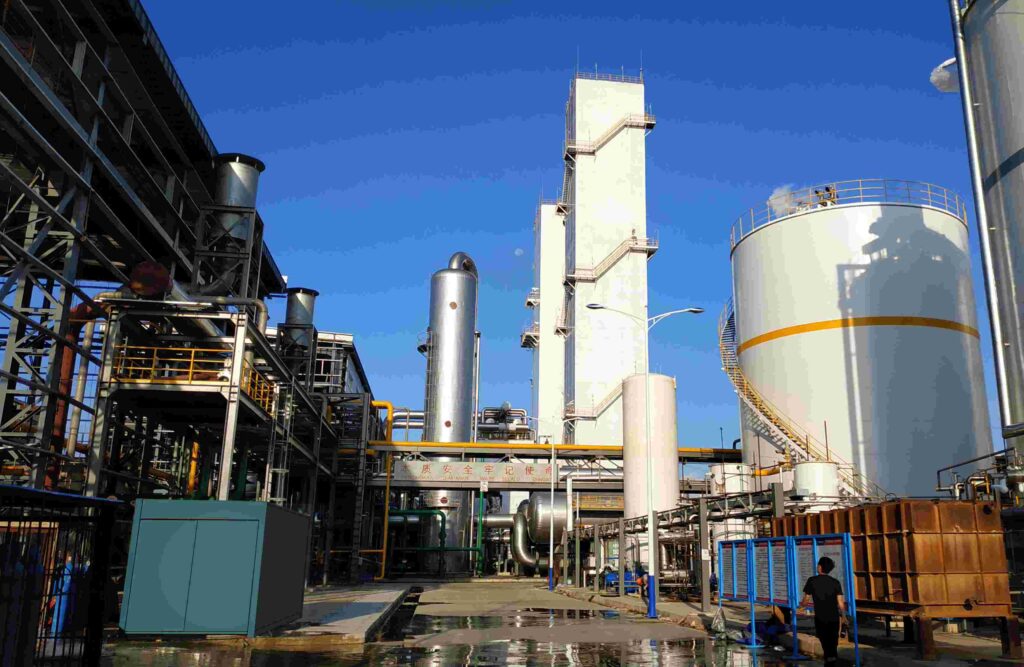
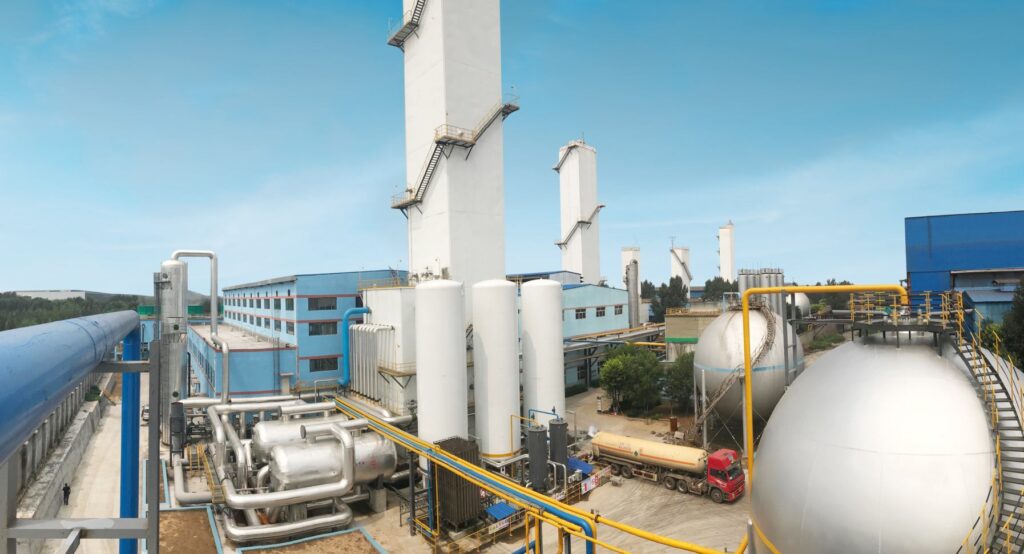
DINAK’s Large-Scale Air Separation Units (ASU) provide a fix made just for these tough settings. Large-scale ASU can be adjusted to fit various work conditions and power use needs of clients. This way, they deliver a dependable flow of oxygen, nitrogen, and argon to cover the basal load demands in heavy industry. Our ASU incorporates advanced cryogenic rectification processes to ensure high purity and reliable output. The step produces pure gas output. At the same time, it keeps working steadily and saves energy.
Why Strategic Investment Matters
In fields that need big investments, a lasting edge comes from spending on things that build strength and self-reliance in operations. A break in the gas supply from outside can ruin output. For this reason, many firms are taking smart steps to control their own gas systems.
DINAK’s Large-Scale ASU features a modular, skid-mounted design for ease of transport and installation. This makes setup simple and build times quick. Such a design turns the ASU from a simple buy into a key long-term resource. When businesses bring gas supply inside, they cut risks from price changes, late deliveries, and reliance on providers.
Evaluating Gas Supply Options
External Supply vs. On-site Production
Depending on outside providers for key industrial gases often means giving up say over prices, delivery times, and steady quality. This brings dangers right when they hurt most—like during high demand or shipping issues.
An on-site DINAK Large-Scale ASU gives full command from start to finish. With broad uses, high gas output volume, and wide load shifts, our ASUs match changing production levels and business patterns easily. This quick response is vital for fields where work pace can change fast due to market shifts or new rules.
Hidden Costs of External Sourcing
Besides the direct cost per gas unit, getting from outside adds unseen money losses. Fees for moving the gas, losses from turning it to vapor in transit, and fines for going over contract amounts all cut into profits. Plus, issues on the provider's end—like worker strikes, bad weather, or global unrest—can cause expensive stoppages. With an in-house DINAK ASU, these dangers almost disappear. The system's high automation level keeps work steady. Remote checks and planned upkeep services cut unplanned breaks even more.
ROI Analysis for DINAK Large-Scale ASU
Cost Efficiency Over Time
Even though an on-site ASU needs money up front, the savings build up greatly in the long run. Firms avoid added costs from outside sellers and get steady expense plans over the system's life.
DINAK brings 20+ years of making experience. We have worked on improving gas processing, separation, and liquefaction technology. Our designs that use less power let clients lower the energy needed for each gas unit made. With smaller energy waste and reduced daily costs, businesses can shift funds to new ideas or growth rather than ongoing buys.
Asset Depreciation and Lifecycle Value
DINAK’s ASUs are built to last and serve well over time. Their solid build and extended use make them a main part of any factory's tool set. The modular setup lets users add capacity without full new spending—great for firms planning steady growth.
Also, our full-life help covers upkeep deals, far-off watching and checks, and parts handling. This lets clients keep high run times while cutting total ownership costs.
Enhancing Supply Chain Security
Mitigating Risks of Market Disruptions
Unstable energy markets and world tensions have made supply lines more vulnerable. In fields where each hour down costs thousands, doing things on your own is now a must.
DINAK’s Large-Scale ASU keeps work going even in bad outside settings. Planned fixes cut surprise stoppages. They also trim energy use, drop running costs, and lengthen gear life. This is how we aid clients in adding strength to their setups right from the start.
Regulatory Compliance and Environmental Control
Rules on the environment are getting stricter in many fields. By making gas on-site with DINAK’s energy-saving systems, firms get a clearer sight and grip on releases. We use forward-thinking process plans and low power for gear work. This offers more than tech benefits. It opens a path to meeting rules and reaching green business aims. In Europe, where emission caps tighten yearly, our ASUs help refineries stay under limits by cutting CO2 from power use per day.
Flexibility for Production Expansion
Supporting Multi-Line Operations and Growth Plans
Factories seldom stay the same. When adding a fresh line or trying a new product area, the ability to grow matters a lot. DINAK's large-scale ASUs come in modular forms. This allows easy boosts in capacity without long breaks or huge spending. We have supplied custom fixes to users in steel metallurgy, petrochemicals, electronics making, and water handling.
Future-Proofing Industrial Operations
As fields move to more linked and digital work, setups must adjust. DINAK’s ASUs work well with auto control systems and smart plant designs. They reach smart air separation and hands-off run modes. This keeps your spending useful as tech moves on.
Positioning the ASU as a Core Asset
From Equipment Purchase to Strategic Investment
Acquiring a DINAK ASU provides not only immediate gas supply needs but also long-term operational benefits. It builds a self-run base for ongoing factory success. Our users see that changing views—from seeing an ASU as an expense to a growth driver—can shift their path forward.
We supply top gear and work to keep client setups in the best shape. Through skilled engineering aid, smart run and fix services, and steady improvements, we help hit the top returns.
Strengthening Corporate Value Proposition
By keeping steady inner gas flow with DINAK’s Large-Scale ASU, firms better handle product standards, cut waits from outside ties, and show up as smart players in talks with backers or partners. To cut energy use and lower intake, we tuned the process flow for very low air compressor pressure. This puts the client's running costs first.
Conclusion: Building Competitive Resilience with DINAK
In heavy fields where run time, growth ability, and cost handling are key, putting money into a Large-Scale ASU from DINAK is more than a gear choice. It is a planned step to lasting strength. By managing basal load gas supply on-site, companies can control costs, reduce reliance on external providers, and optimize production efficiency. Secure your factory’s operational efficiency and reduce long-term costs. Contact us today to learn more about our Large-Scale ASUs and how they can drive your business forward.
FAQ
Q: What makes Large-Scale ASU suitable for heavy industry applications?
A: Our Large-Scale ASU offers high-purity oxygen/nitrogen/argon output with customizable capacity ranges and reliable operation under varying loads—ideal for steel plants, refineries, and chemical complexes.
Q: How does owning an ASU impact long-term operational costs?
A: While the initial investment is higher than outsourcing gas supply, owning an ASU eliminates third-party markups and logistics fees, leading to substantial savings over time.
Q: What kind of support does DINAK provide after installation?
A: We offer comprehensive lifecycle services, including maintenance agreements, remote monitoring & diagnostics, technical training, and original spare parts management.
Q: Can DINAK's systems adapt if my plant expands in the future?
A: Yes. Our modular architecture enables scalable upgrades without disrupting current operations—perfect for expanding or diversifying production lines.
-430x247.jpg)
内页小-430x246.jpg)