In the competitive world of float glass manufacturing, saving energy and maintaining high quality are the main keys to success. In the past, many factories used regular air for burning fuel or paid for expensive liquid oxygen deliveries. Now, a big change is happening. At DINAK, we see more global glass makers moving toward making their own gas on-site. As a professional builder focused on gas processing, separation, and liquefaction, we act as the steady support for these large companies. By using a DINAK Large-Scale ASU (Air Separation Unit), glass plants get a reliable, high-purity air separation unit solution. This setup cuts down on natural gas use and lowers daily costs. With over 20 years of experience, we work closely with partners to build custom systems. These tools help boost output and keep the plant running well for a long time.
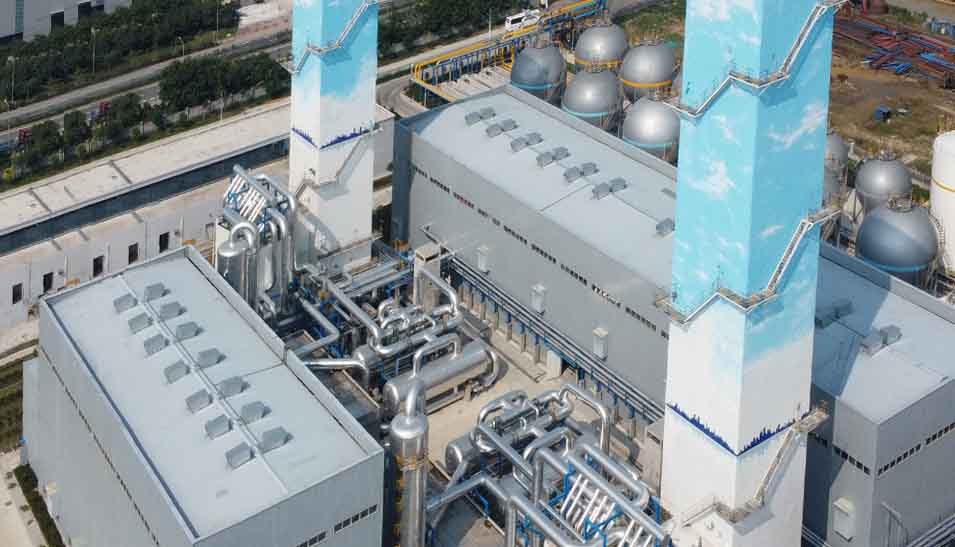
Oxygen Demand in Float Glass Production
Fueling the Intense Heat of Glass Furnaces
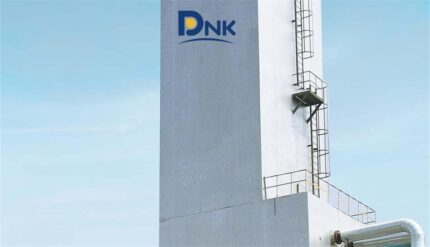
The melting furnace is the core of every glass factory. This is where sand and soda ash melt together into liquid glass. To keep up the extreme heat needed for this work, the furnace needs significant volumes of oxygen. Old methods using regular air are often wasteful. This is because air contains about 78% nitrogen. Nitrogen does not help the fire burn. Instead, it just carries heat away through the chimney. By using pure oxygen from a Large-Scale ASU, owners can use oxygen-enriched combustion. This ensures the heat goes exactly where it is needed—into the glass melt.
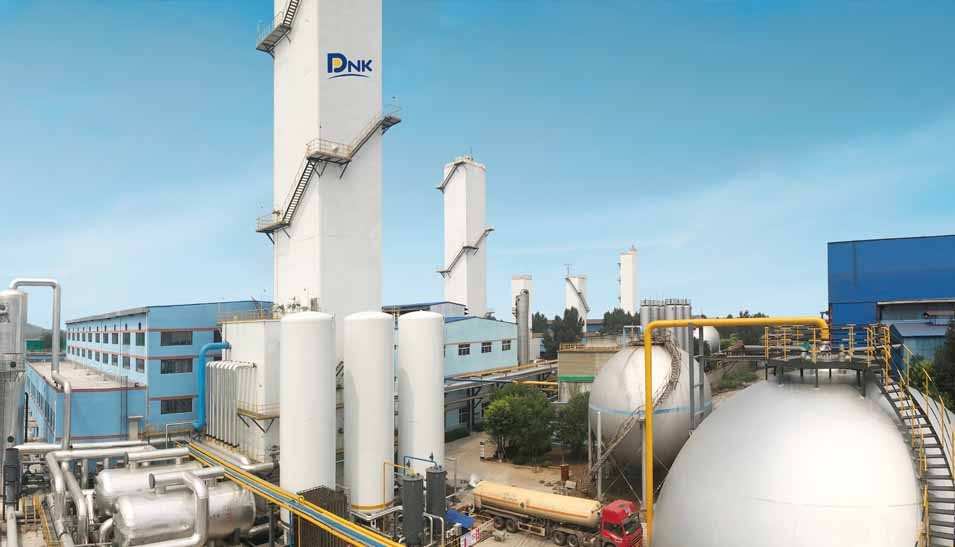
Ensuring Glass Purity with High-Grade Oxygen
The quality of the final glass depends on a steady atmosphere inside the furnace. If the air used for burning has impurities, the glass might end up with bubbles or strange colors. A DINAK Large-Scale ASU uses a molecular sieve system at normal temperatures to clean out moisture and carbon dioxide. After that, it uses a fractionating column (also called a rectification column) for deep cooling and cleaning. This process delivers a stable oxygen purity of up to 99.6%, meeting the demanding requirements of float glass furnace operations. It is vital for keeping premium float glass clear and strong.
Benefits of Oxygen-Enriched Combustion
Cutting Fuel Costs with Oxy-fuel Technology
One top reason to get an on-site air separation unit is the massive drop in fuel bills. Oxy-fuel technology swaps normal air for nearly pure oxygen. Since there is no nitrogen to heat up, the flame gets higher flame temperatures. This makes it easier to move heat into the glass. At DINAK, our Large-Scale ASU is built with smart designs that use very little power. We make sure the money you save on furnace fuel isn't lost to high electric costs in the gas plant.
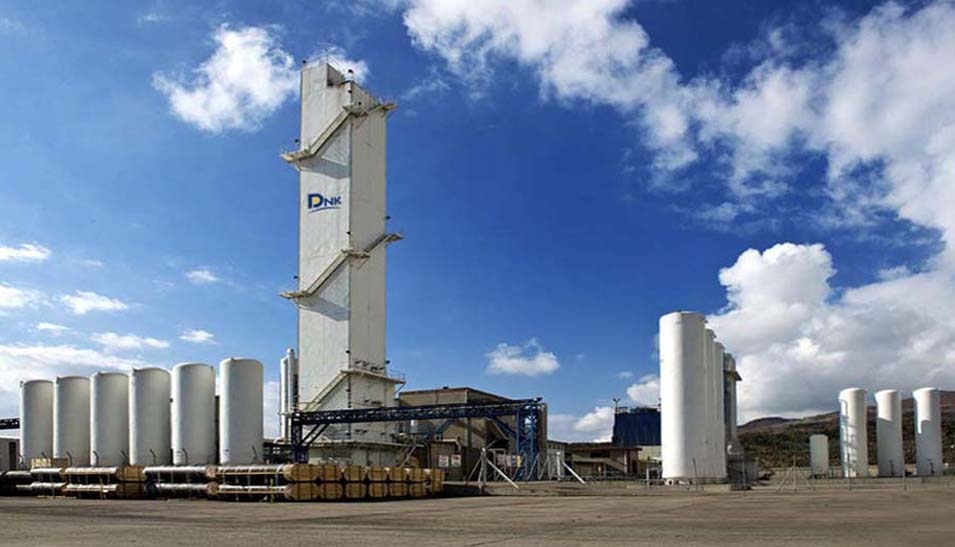
Reducing Carbon Emissions for Sustainable Production
Environmental rules are getting stricter everywhere. Glass makers must now lower their carbon footprint and NOx gases. The nitrogen in regular air is the main cause of NOx when temperatures are high. By moving to an oxygen-rich setup from our Gaseous ASU or Large-Scale ASU, plants can almost stop thermal NOx from forming. This change can help manufacturers reduce NOx emissions and support their environmental compliance objectives. It also makes the business look better to eco-conscious customers.
Economics of On-Site Gas Production
Replacing External Supply with DINAK Large-Scale ASU
Many big glass plants used to buy liquid oxygen from outside suppliers. This meant dealing with shipping costs, delivery risks, and price changes. When you install a DINAK Large-Scale ASU on-site, the plant becomes a producer instead of a buyer. This move brings long-term price safety. It also cuts out the extra fees charged by gas companies. Plus, our gear is often skid-mounted. This makes it easy to set up so you can start seeing Full Liquid ASU cost savings quickly.
Minimizing Logistics Risks and Storage Volatility
Bad weather or driver strikes can cause a shortage. This might even force a costly furnace shutdown. Having your own air separation unit gives you total control.
The Essential Role of Protective Gases
Utilizing Nitrogen for the Molten Tin Bath
In the float process, liquid glass flows onto a bed of melted tin. To prevent oxidation of the molten tin bath or reacting with air, the area must be filled with nitrogen and hydrogen. We supply very reliable PSA Nitrogen Generator units and Ultra Nitrogen Plant systems. These provide the steady flow of pure nitrogen needed for this step. Often, our Large-Scale ASU can make both pure oxygen for the heat and nitrogen for the tin bath at the same time. This makes the most of your investment.
Recovering Argon for Specialized Glass Coating
Modern glass, like Low-E types, often needs argon for insulation. A DINAK Large-Scale ASU can incorporate an advanced argon rectification system to recover argon as a valuable by-product during air separation. This lets glass makers reduce dependence on third-party argon suppliers and improve production flexibility.
Customizing the Right Solution with DINAK
Comparing Large-Scale ASU and VPSA Systems
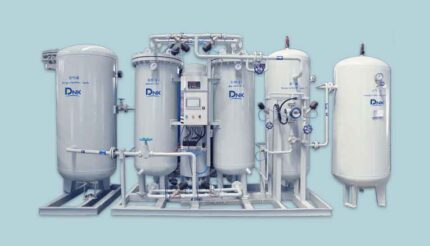
At DINAK, we know every glass plant is different. For giant factories with huge oxygen needs, a cryogenic Large-Scale ASU is the best choice. It has high capacity and can make liquid products for storage. However, for smaller furnaces, we might suggest a VPSA Oxygen Plant. These systems are great for providing oxygen at lower pressures. They take up less space and start up very fast. We focus on giving you a solution that fits your specific power and space needs.
Tailored Maintenance and Remote Monitoring Services
Buying a Large-Scale ASU is a long-term plan. To keep it running perfectly, we offer full support through our Maintenance Agreement. Our team uses Remote Monitoring & Diagnostics to watch the system. This helps us find small issues before they become big problems. We also provide Technical Training for your workers. This ensures your team knows how to run the air separation unit safely and effectively.
Conclusion
Moving to on-site oxygen in the float glass industry is a smart step. It saves energy, improves quality, and secures the supply chain. When you pick a DINAK Large-Scale ASU, you get a partner with over 20 years of skill. Our systems give you the oxygen for better burning and the nitrogen for the float bath. This reduces your risks and saves money over time. As the industry looks for greener and cheaper ways to work, we are here to help. Our gas solutions will help your glass production succeed on a global level.
Contact DINAK today to learn how our tailored air separation unit solutions can optimize your float glass production and reduce your operational costs.
FAQ
Q: How does oxygen enrichment improve glass furnace efficiency?
A: It works by swapping the nitrogen in the air for pure oxygen from a DINAK air separation unit. This makes the fire hotter and moves heat to the glass faster. As a result, you use much less natural gas to keep the furnace at the right temperature.
Q: What are the main differences between an ASU and a VPSA system for oxygen?
A: A Large-Scale ASU uses cooling technology to make very pure oxygen and liquid products for a Cryogenic Liquid Vacuum Storage Tank. A VPSA Oxygen Plant uses a different pressure method. It is usually better for smaller needs and is faster to set up.
Q: Can DINAK provide spare parts and maintenance for my ASU?
A: Yes. Through our Spare Parts Management and Maintenance Agreement plans, we provide high-quality parts and expert help. DINAK provides lifecycle technical support and maintenance services to maximize equipment availability.
-430x247.jpg)
内页小-430x246.jpg)