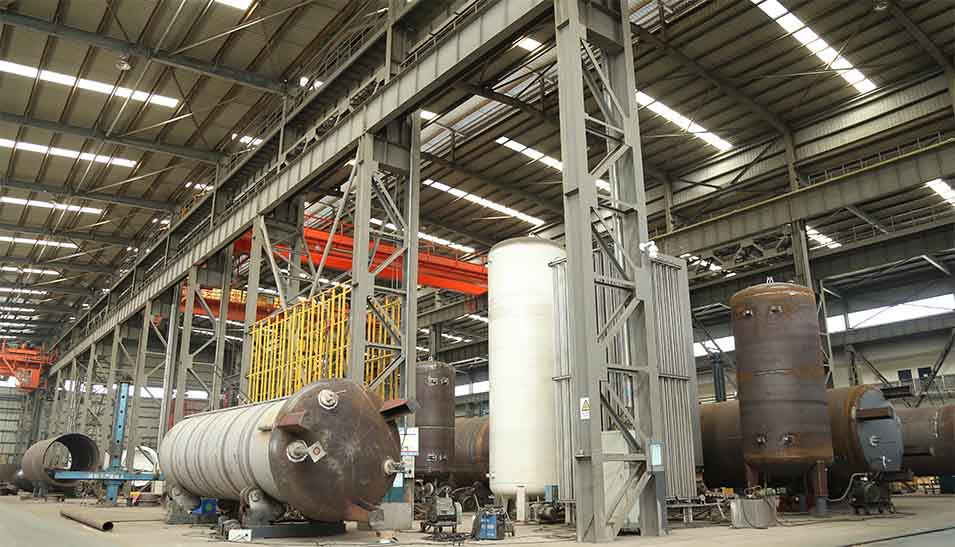
In industrial gas plants, tank failures are more than just inconvenient—they're a financial nightmare. Beyond the immediate repair costs, unexpected downtime in cryogenic storage tanks can lead to massive operational disruptions, loss of production, environmental waste, and costly penalties. Whether it's vacuum loss, pipeline stress cracking, or internal/external tank corrosion, these breakdowns can trigger a ripple effect that halts production lines, strains customer relationships, and damages your bottom line. As the demand for reliable gas supply continues to rise, it's clear that adopting proactive maintenance strategies is no longer optional—it's essential.
DINAK knows that managers of big cryogenic setups face big losses from even small problems. That is why forward-thinking plans to avoid breakdowns matter. They go beyond simple upkeep. They safeguard earnings in the long run.
Consequences of Unplanned Downtime
Sudden downtime in a gas plant creates chain reactions in upstream and downstream steps. A failure or leak in a cryogenic storage tank hits upstream air separation units hard. It blocks their chance to store gases properly. As a result, production slows or halts completely.
During these incidents, valuable products like liquid oxygen and nitrogen evaporate away. This causes a clear waste of materials and harm to the environment. Plants often face the need to buy gases from outside sources at higher costs. They do this to keep up with supply promises when losses outpace refills. On top of that, delays in deliveries can break contracts. This brings stiff fines and harms ties with partners. Such money hits show why sudden downtime ranks as a top costly risk in gas making.
The Importance of Proactive Maintenance
Redefining Maintenance as Profit Protection
For many years, upkeep was seen only as a routine cost—a must-do item with no clear payback. But today's factory leaders see it differently. Forward-thinking upkeep now forms a core part of guarding earnings. This change lets firms turn maintenance into a real edge. Forward rehabilitation spots problems early with ongoing checks and planned fixes. It stops them from turning into big disasters. This method cuts sudden downtime and lengthens how long the gear lasts.
DINAK's Approach to Proactive Rehab
DINAK serves as a full-system provider with deep know-how in air separation and industrial gas areas. Our company has spent years on research, design, and real-world use of cryogenic storage and transport methods. DINAK focuses on keeping assets strong through steady check routines and forecast tools matched to each site's conditions.
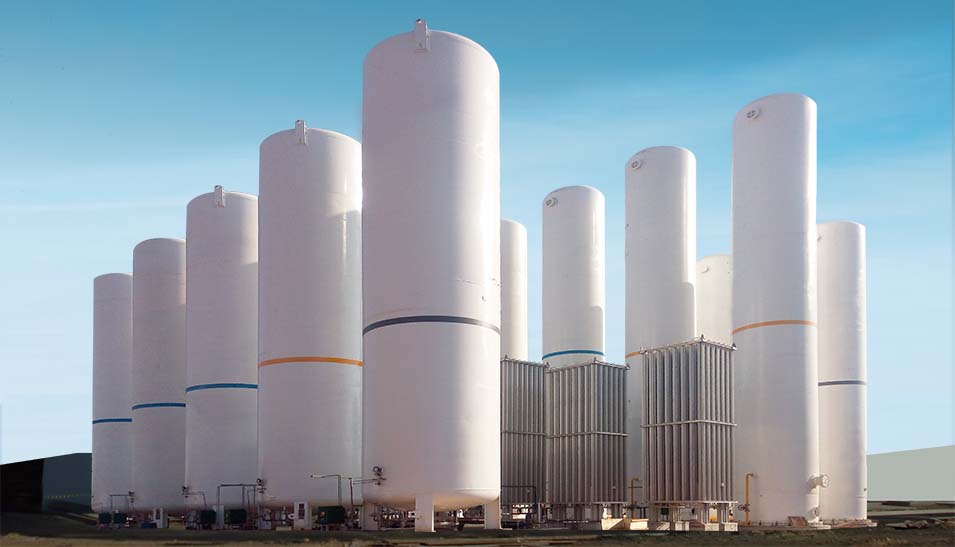
It has supplied hundreds of cryogenic liquid storage tanks to sectors like steel, chemicals, and power. Every tank includes strong safety tools for steady work in harsh settings. Cryogenic storage tanks built and made to meet rules are very secure. They come with several auto-protection systems to manage pressure well. DINAK's forward upkeep helps clients keep top performance with exact tune-ups and part swaps before damage worsens. This plan raises work efficiency and cuts pricey stops.
Strategies for Effective Asset Management
Implementing a Proactive Maintenance Plan
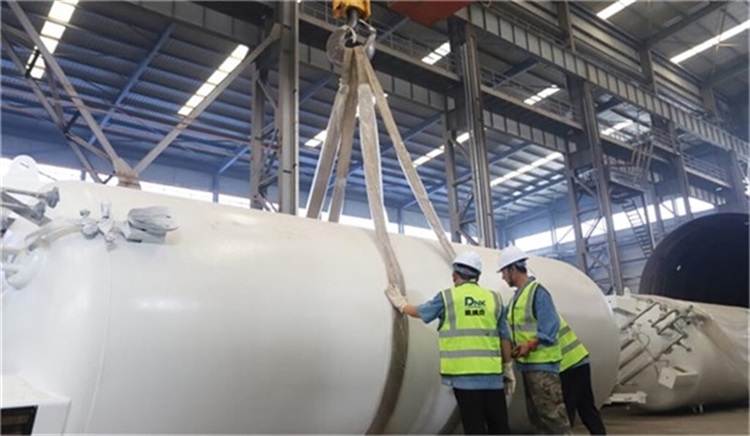
Creating a solid forward upkeep plan begins with grasping how assets act over periods. DINAK works hand-in-hand with plant teams to build plans suited to use levels, site weather, and past records. Such a plan often features routine checks with no-harm test ways to spot early wear or rust in cryogenic storage tanks. Quick fixes from these spots stop small flaws from growing into major breaks. For instance, in a steel mill relying on a steady nitrogen supply, spotting a tiny insulation crack early can avoid a full tank shutdown that might cost thousands in lost shifts.
Plus, using digital watch tools tracks tank pressure and heat stats in real time. This helps staff act fast on any odd readings. Steady planned actions lower the chance of crisis halts. They also meet safety rules like ASME standards or local vessel laws, which align with DINAK's build methods.
Benefits of Asset Integrity Management
Keeping asset strength brings clear gains over time for any industrial gas plant. A well-kept cryogenic storage tank runs at full power with little boil-off loss. This turns into real savings across its full life.
Asset strength handling also boosts safety by lowering dangers from pressure shifts or build-up wear. The in-built pressure-up and pressure-down system automatically adjusts the inner tank pressure. It secures a steady gas flow and cuts down on hands-on work. By weaving these forward plans into routine tasks via DINAK's support setup, plants gain stronger reliability. They shield earnings from surprise halts.
Conclusion
Tank failures in industrial gas plants stand out as a major overlooked danger to earnings. Repair bills are just the start. A wider net of output shortfalls, contract risks, eco effects, and harm to company image all flow from sudden downtime.
Don't wait for a breakdown to hit your production line. Take control of your plant's future by partnering with DINAK for proactive rehabilitation solutions. Our tailored asset management plans, built on years of expertise in cryogenic systems, can identify potential risks before they escalate into costly failures. With regular inspections, real-time monitoring, and predictive diagnostics, we help you maintain peak performance while protecting your profits. Contact DINAK today to learn how we can help you avoid costly downtime and ensure the continuous operation of your industrial gas plant.
FAQ
Q: What are the hidden costs associated with tank failure?
A: The hidden costs of tank failure include operational downtime, emergency procurement of replacement gases, penalties for breach of contract, loss of production, and damage to the company's reputation.
Q: Why is proactive maintenance crucial for industrial gas plants?
A: Proactive maintenance prevents unexpected failures by identifying issues early through scheduled inspections—ensuring continuous operation while protecting profits from costly interruptions.
Q: How does DINAK support proactive rehabilitation efforts?
A: DINAK provides end-to-end services focused on maintaining asset integrity through regular inspections, predictive diagnostics, timely repairs, and compliance-based engineering practices tailored for each facility's needs.
Q: What is the impact of unplanned downtime on production?
A: Unplanned downtime disrupts upstream ASUs and production lines, causing product losses from evaporation of liquefied gases like oxygen or nitrogen while incurring significant financial penalties due to missed supply targets.
-430x247.jpg)
内页小-430x246.jpg)