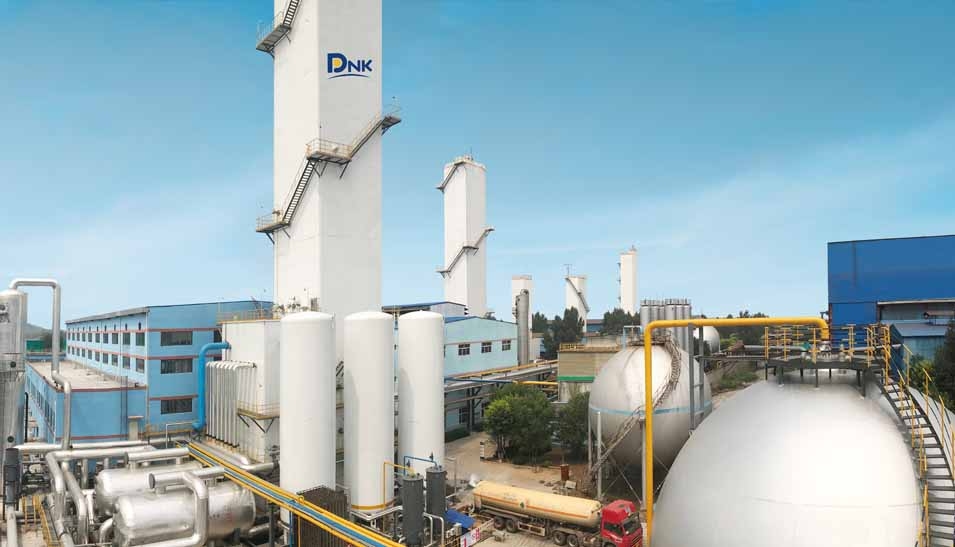
A large-scale cryogenic air separation unit (ASU) provides steel plants with a reliable on-site supply of industrial gases, primarily oxygen, nitrogen, and, where required, argon. These gases support steelmaking, oxygen enrichment, inerting, purging, refining, and other metallurgical processes. For integrated mills and other continuous metallurgical operations, a cryogenic ASU is therefore more than a gas generator: it is a plant utility system that must match production demand, operating conditions, and long-term reliability.
Why Steel Plants Need Large-Scale Air Separation
Industrial Oxygen for Steelmaking
Steelmaking depends on controlled heat and rapid chemical reactions. Oxygen is used in basic oxygen furnace (BOF) steelmaking, oxygen-enriched combustion, reheating, cutting, and other metallurgical applications. In BOF operations, high-purity oxygen is injected at high flow rates to promote decarburization and remove impurities from molten iron. A dedicated large-scale ASU enables high-volume on-site oxygen production and pipeline distribution, reducing dependence on externally supplied bulk liquid oxygen and supporting continuous steelmaking operations.
The value of oxygen is not simply its purity. The supply must remain consistent as furnaces, converters, reheating lines, and cutting stations change load. A properly engineered system links product delivery, pressure management, and plant distribution so that gas quality remains suitable for the process without turning every short-term demand change into a disruption.
Nitrogen and Argon for Process Protection
Many facilities rely on Nitrogen for pipeline purging, equipment inerting, tank blanketing, and process-gas displacement. This practice keeps operating conditions safe and stable. It provides steady control during daily routines, start-up, shutdown, and regular upkeep. Inside a steel plant, these specific tasks shield the machinery. This protection is vital when the facility starts up, shuts down, undergoes repairs, or changes its operating mode. In addition, operators usually utilize Argon for secondary metallurgy and ladle refining. It remains essential for inert-gas stirring applications.
Generating multiple gases from a single cryogenic system offers clear benefits. It grants an integrated site much better control over its overall gas balance. Finding the correct product mix depends on the layout of the steel plant. It also relies on downstream processes and the daily operating schedule.
How a Large-Scale ASU Supports Continuous Metallurgy
Cryogenic Separation and Product Configuration
A cryogenic air separation unit first prepares atmospheric air for low-temperature processing, then uses heat exchange, refrigeration, and rectification to separate its principal components. The rectification column system is designed to produce oxygen, nitrogen, and, where required, argon as coordinated product streams. This approach is suited to steel plants that need a continuous industrial gas source rather than intermittent packaged supply.
Integration with Plant Utility Systems
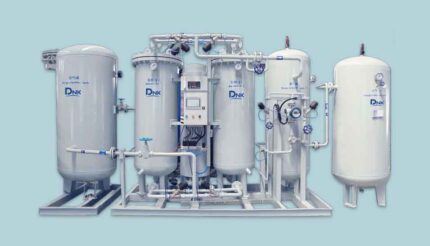
Large-scale ASU performance depends on the complete system, not only the cold box. Air compression, pretreatment, main heat exchange, refrigeration, distillation, product compression, distribution, instrumentation, and electrical systems must work together. Automated control and safety interlocks help operators monitor key conditions, manage changing demand, and keep the separation process within its intended operating envelope.
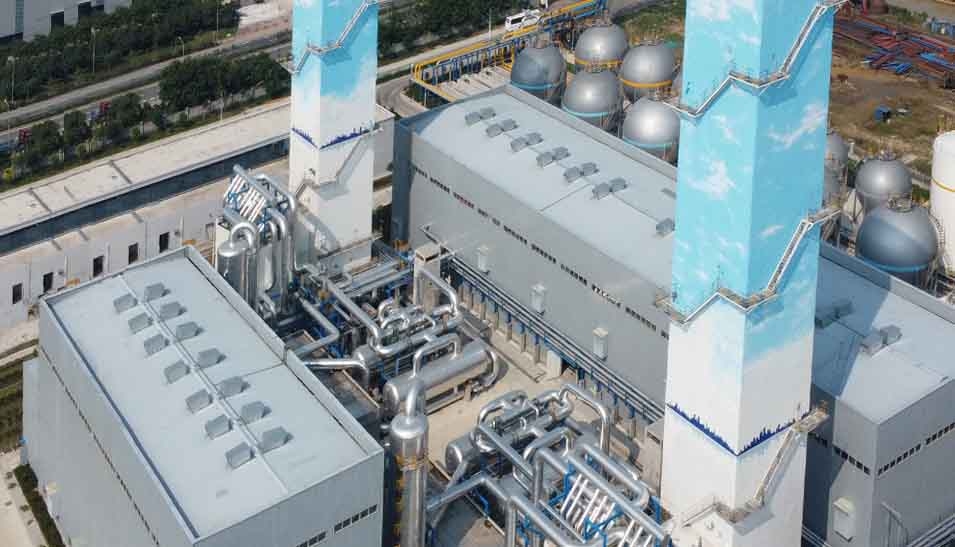
For a steel plant, integration also means considering tie-in points, pipeline routing, available space, utility interfaces, maintenance access, and the sequence for commissioning. DINAK supports across design, manufacturing, installation, commissioning, and technical service, which is relevant when an ASU becomes part of a wider metallurgical project.
What to Evaluate When Selecting Industrial Air Separation Equipment
Product Demand and Operating Conditions
Start with the gases that directly affect production: oxygen for combustion and refining, nitrogen for inerting and purging, and argon where metallurgical practice requires it. Map demand by process area and operating mode, then review pressure, continuity, product state, and expected load variation. These inputs create a more useful design basis than selecting equipment from a capacity label alone.
The plant environment matters as well. Ambient conditions, utility availability, installation constraints, expansion plans, and the required balance between on-site gaseous production, liquid product storage, and backup supply all influence the process choice. A practical ASU specification should leave room for a customized solution while keeping the final operating objectives clear and measurable.
Control, Reliability, and Service Support
In an integrated steelworks, the ASU should be engineered as a critical utility system that interfaces with the plant’s process control, electrical, safety, and gas distribution systems. The ASU control architecture, including PLC/DCS interfaces, alarms, interlocks, shutdown logic, and remote monitoring, should be coordinated with the steel plant’s process control system. Modular equipment arrangements can also simplify transport and field installation when the project site has demanding access or construction conditions.
How DINAK Approaches Large-Scale Steel Gas Supply
Application-Oriented Process Design
DINAK presents large-scale air separation equipment for industrial gas applications including metallurgy. For a steel producer, the practical question is how those functions fit the mill’s process sequence, distribution network, and operating philosophy.
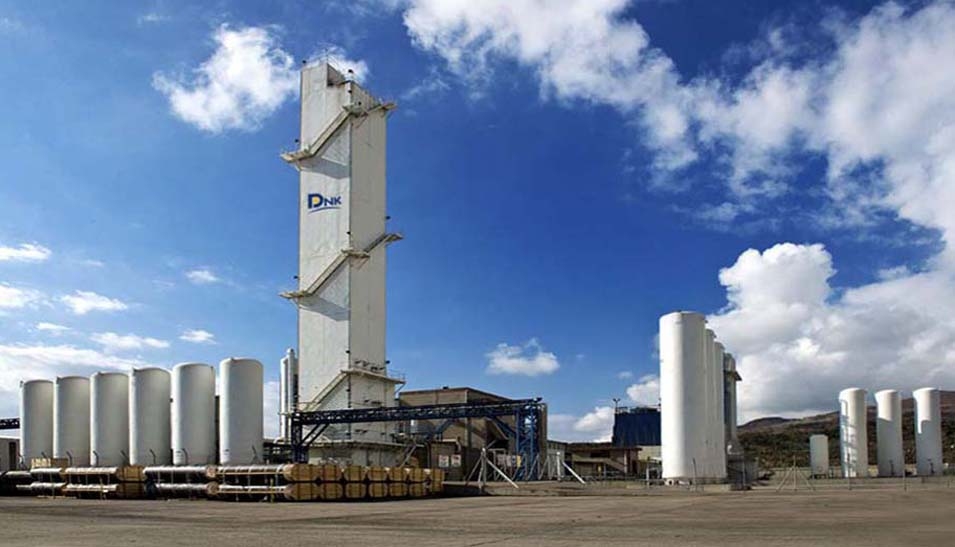
Equipment Integration for Long-Term Operation
A well-engineered ASU should remain accessible, maintainable, and clearly documented after handover. Clear operating logic, coordinated instrumentation, accessible equipment layout, and defined service responsibilities support stable day-to-day production. These practical details matter because oxygen and inert gas supply must keep pace with a steel plant’s continuous operating rhythm.
DINAK can be considered when a project needs a large-scale air separation partner able to connect process design, equipment manufacture, installation, commissioning, and technical support. Final equipment selection should follow a documented review of the steel plant’s process requirements and the information confirmed during engineering clarification.
Conclusion
A large-scale cryogenic ASU provides steelmakers with a reliable on-site source of oxygen, nitrogen, and argon for continuous production. Cryogenic separation, integrated controls, and application-specific engineering help maintain the required gas purity, pressure, flow, and availability for steelmaking processes. DINAK’s large-scale ASU portfolio is relevant where a steel project needs a coordinated industrial gas solution rather than a standalone gas package.
Explore DINAK’s service to review the available industrial approach.
FAQ
Q: Why choose cryogenic air separation for a steel plant?
A: Cryogenic separation is suited to large, continuous industrial gas demand because it separates air into coordinated oxygen, nitrogen, and argon product streams. The process can be configured around gaseous delivery, liquid products, or a combination, depending on the steel plant’s distribution system and operating plan.
Q: What should engineers review before selecting an ASU?
A: Engineers should map each gas user, required pressure and continuity, operating modes, site utilities, installation constraints, future expansion, and preferred product state. They should also review control integration, safety interfaces, commissioning responsibilities, and technical service arrangements before confirming the process concept.
Q: How can DINAK support a steelmaking ASU project?
A: DINAK supports process design, equipment manufacturing, installation, commissioning, and technical service for industrial gas projects. The appropriate scope depends on the project brief and interface plan. A site-specific engineering review is needed to define the final equipment configuration and responsibilities.
-430x247.jpg)
内页小-430x246.jpg)