In today's fast-paced industrial world, maintaining a constant, reliable supply of pure gases is a critical factor in ensuring operational efficiency. However, many manufacturing plants struggle with the so-called "industrial gas gap" – the mismatch between constant production and fluctuating gas demand.
DINAK, with over 20 years of expertise in gas separation and liquefaction, provides a comprehensive solution to this challenge. By integrating high-quality Cryogenic Tanks with advanced Air Separation Units (ASUs), we ensure continuous production, reduce waste, and extend the operational life of plants. Our tailored solutions bridge the gap between fluctuating demands and stable gas supply, creating a resilient, optimized gas supply chain that powers your business.
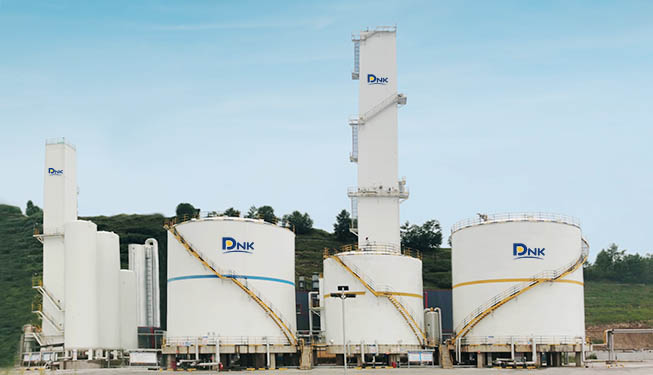
The Critical Role of Cryogenic Tanks in ASU Systems
Balancing Production Continuity and Volatile Demand
In large-scale industrial operations, frequent startup and shutdown of an ASU to accommodate hourly fluctuations in demand results in significant energy consumption and can lead to increased mechanical wear on equipment. Our Cryogenic Liquid Vacuum Storage Tank units serve as a key buffer. They hold extra liquid when demand drops low. As a result, the ASU can keep running at a constant speed. And that steady pace is the best way to operate cryogenic equipment.
Securing Strategic Basal Load Gas Reserves
For sectors like steel production or chemical refining, a quick cut in gas supply can cause major shutdowns. Adding large storage keeps a basic stock of products ready at all times. Our systems ensure that, even during planned plant maintenance, critical operations remain supported by a reliable backup supply of industrial gases.
Mitigating Risks of Catastrophic Plant Downtime
Sudden breaks in the supply line spell big financial trouble. When we build our Cryogenic Tanks from the start, we help plants lower their investment risks. This also avoids the steep costs of buying emergency liquid gas from outside suppliers.
Optimizing Full Liquid ASU Plant Integration
Streamlining Direct Liquid Oxygen and Nitrogen Production
A Full Liquid ASU works to create liquid oxygen and liquid nitrogen right away, not as gases. At DINAK, we fine-tune these plants to connect straight to storage systems. This cuts down on the evaporation losses that happen during liquid movement.
Thermal Insulation Excellence in Multi-Wrap Containers
The success of a full liquid ASU plant hinges on keeping the product cold. Our large storage tanks use high-vacuum, multi-layer insulation. This strong heat shield holds the low temperatures of LO2, LN2, and LAr for long stretches. In practice, this means tanks can store liquids for weeks without much boil-off, based on our field tests in hot climates like those in Indonesia.
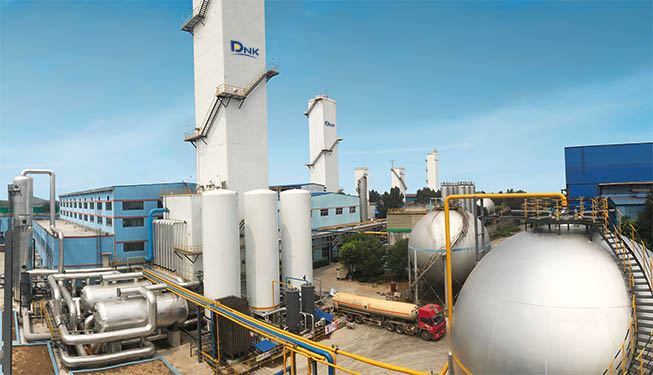
Enhancing Productivity in All-Liquid Separation Processes
When pairing our all-liquid air separation with the right-sized storage units, every bit of air processed builds a steady liquid stock that is ready to ship. This approach has helped clients in a steel mill maintain daily outputs without interruptions.
Best Practices for Large-Scale ASU Storage Solutions
Customizing Storage Capacity for Heavy Industrial Operations
Each plant has its own pattern of gas use. We move away from standardized configurations and focus on bespoke designs, ensuring that both the Large-Scale ASU and storage systems are optimized according to the specific operational demands and site conditions.
Managing Internal Compression and Self-Pressurization Systems
Smart linking often calls for an internal compression air separation process or liquid oxygen self-pressurization. These let high-pressure gas flow straight from the liquid form. They draw on the tank's own pressure, skipping the need for extra gas compressors that demand heavy upkeep.
Scaling Efficiency with Small-Scale ASU Integration
Compact Design for On-Site Industrial Gas Solutions
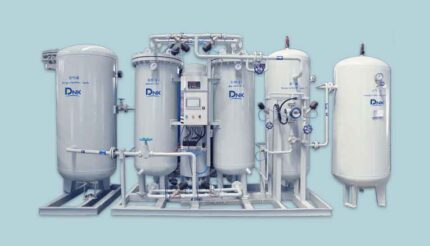
For on-site making, a small-scale ASU offers a handy choice over big liquid shipments. These setups stay small and often mount on the same base as the Cryogenic Liquid Vacuum Storage Tank. This saves space on the ground and speeds up the setup process.
Rapid Deployment of Cryogenic Technology Modules
Our small units pull gases with the same detailed cryogenic methods as the big ones. By joining them to modular storage, we let buyers set up a full gas operation in just months, not years like old-style plants.
Reducing Logistics Costs via Localized Liquid Storage
Making and holding liquid right at the site wipes out the delivery costs and emissions from regular truck hauls. This step greatly raises the plant's edge in the market.
Why Choose DINAK
Achieving Hydrogen-Free Argon Production Excellence
A key strength of ours is fitting hydrogen-free argon production into the ASU loop. This demands tight control of temperatures and special storage for liquid argon. DINAK's linked systems manage this with solid results.
Global Reliability Across Diverse Industrial Environments
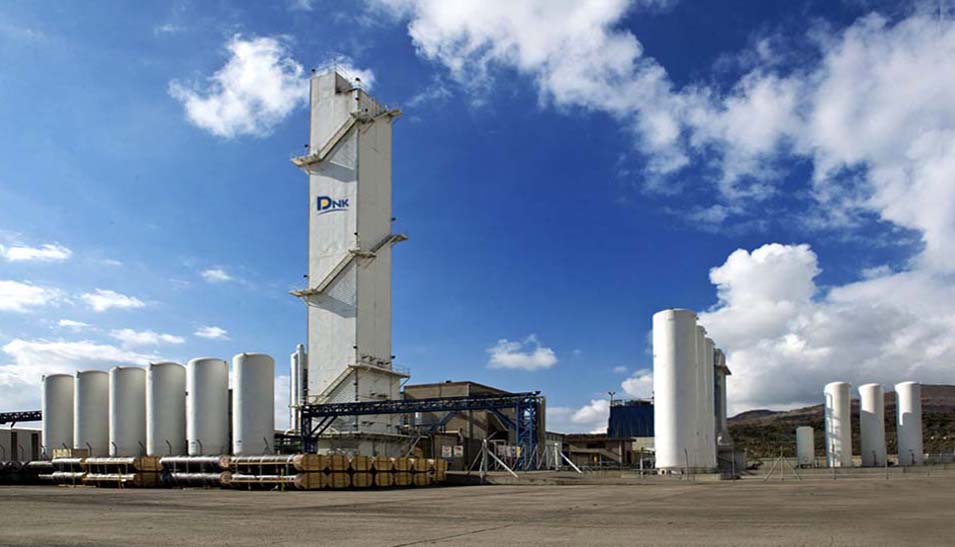
Our full setups go to Russia, Turkey, Vietnam, Brazil, and other places. In harsh hot or cold spots, our vacuum-insulated storage holds up well. This earns strong approval from users worldwide.
Conclusion
Integrating Cryogenic Tanks with ASU systems is more than just a technical process; it is about creating a seamless, optimized flow of production that aligns with both current and future demands. At DINAK, our two decades of industry experience demonstrate that a well-designed industrial gas supply chain hinges on strong storage and smart integration. Whether it's maximizing the output of your full liquid ASU, boosting small-scale ASU capabilities, or ensuring the reliability of large-scale storage solutions, we provide tailored solutions that meet the specific needs of each plant. Our focus on high-quality, innovative technology ensures that your operations remain efficient, cost-effective, and resilient against unpredictable challenges.
Ready to optimize your plant's gas supply chain? Contact DINAK today for a personalized consultation on how our ASU and Cryogenic Tank integration solutions can help boost your ROI, reduce operational costs, and enhance production efficiency. Let's build a stronger, more reliable future together!
FAQ
Q: How do Cryogenic Tanks improve the efficiency of an ASU?
A: As a buffer, Cryogenic Tanks let the ASU operate at a steady, best pace no matter the quick rises in need. This cuts the power drain from speed changes and stops waste when use is low.
Q: What materials are best for long-term cryogenic storage safety?
A: We use fine stainless steel for the inner tanks, paired with a high-vacuum, multi-layer insulation setup. This build suits storing and moving cryogenic LO2, LN2, and LAr safely through the gear's full span.
Q: What is the benefit of a "Full Liquid" ASU versus a Gaseous ASU?
A: A Full Liquid ASU is designed to directly produce cryogenic liquids such as liquid oxygen (LO2) and liquid nitrogen (LN2), offering higher storage density and more cost-effective transport. These liquids pack more densely than gases. So, they store in large amounts and move at lower costs, giving more options for the wider industrial gas supply chain.
-430x247.jpg)
内页小-430x246.jpg)