The Core of Air Separation
Why the Distillation Column Matters
In every cryogenic air separation unit (ASU), the distillation column system acts as the vital center. It manages the accurate splitting of atmospheric air into main parts like oxygen, nitrogen, and argon. The way it is built affects not just the cleanliness of the end gases but also plays a big role in output and power use.
At DINAK, we draw on 20 years of engineering know-how to boost the separation efficiency in our setups. This comes through careful adjustments to the columns. Our broad and special background lets us team up with clients worldwide. We build answers that fit their exact wants. These solutions raise output, cut costs, and extend the useful life of the whole plant.
Structure of the Distillation Column System
Overview of Column Types in ASUs
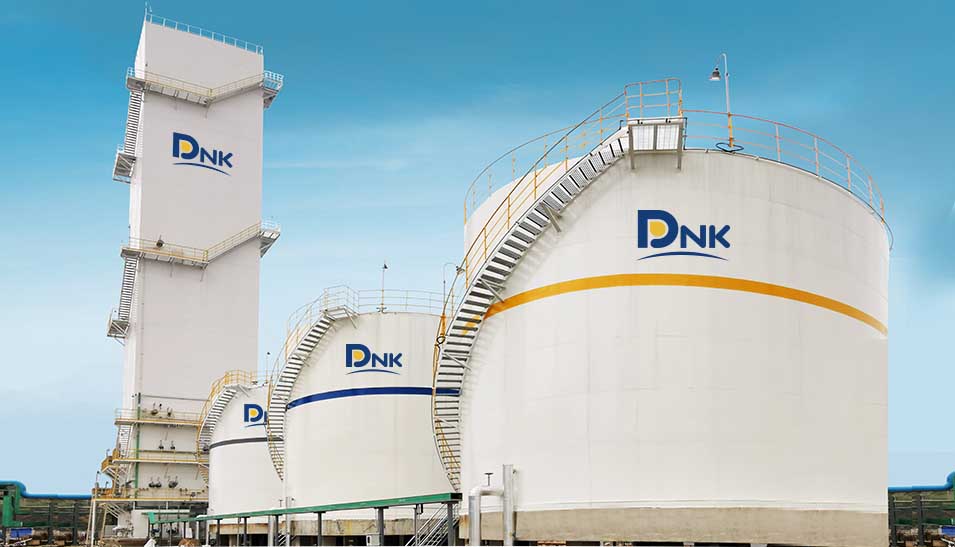
A standard DINAK’s ASU includes several columns. There is a lower column and an upper column. Sometimes, there is also an argon column. Each one is set up to focus on certain air parts. This depends on their different boiling points. Together, they handle the splitting of multi-part gases.
Lower Column Functionality
The lower column works at higher pressures. It starts the refining step. Here, it pulls apart nitrogen-heavy vapor from oxygen-heavy liquid. This early stage lays the groundwork for better cleaning later. It sends ready streams to the next columns.
Upper Column Functionality
The upper column runs at lower pressures. It takes care of fine-tuning the split between oxygen and nitrogen. Liquid from the lower column comes through a heat exchanger. This setup allows tight control over the states of matter. As a result, it reaches the needed levels of purity.
Argon Column Design and Role
If you need very clean argon, we add a third column, the argon column. It sits between the upper and lower columns. This column catches a rough argon flow and refines it more. The argon pulling method uses no hydrogen. It goes through full distillation. This approach is safer and uses less power. It gives pure argon right away. For example, in steel plants where argon helps shield welds, this direct process cuts downtime compared to older methods.
Internal Components and Their Roles
Tray vs Packed Column Design
DINAK changes its inside setups to match the size of work and what clients aim for. Trayed columns give better handling in big operations. On the other hand, packed towers provide more contact area and better flow of mass in smaller setups. Both the upper and lower towers use high-efficiency packed towers. These have benefits like low pushback, good splitting results, and room to change operations.
Reboilers and Condensers in the System
These heat tools push changes in state inside the columns. The reboiler adds warmth to turn the liquid at the bottom into vapor. Condensers, meanwhile, cool vapor from the top into liquid. At DINAK, we focus on linking heat flows well. This cuts the energy needed to run things.
Feed Distribution and Liquid Management
Even spread of incoming material over trays or packing keeps the splitting steady. DINAK uses strong flow designs to stop problems like overflow or leaks. These issues can harm the column's balance and output. For instance, in high-volume ASUs, our distribution plates ensure even flow, avoiding the efficiency drop seen in poorly managed feeds.
Principles of Cryogenic Distillation
Phase Behavior at Low Temperatures
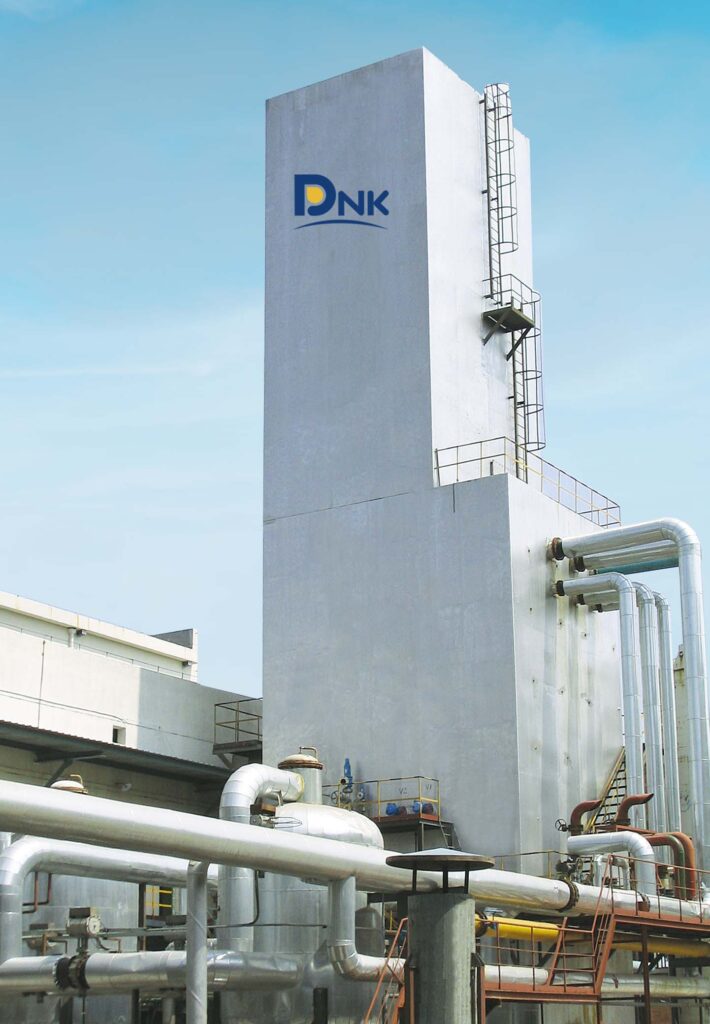
Air parts turn to liquid at varied cold levels. Nitrogen boils at -196°C, oxygen at -183°C, and argon at -186°C. These differences let us pull them out one by one. We use exact control of pressure and temperature. Air gets cooled to its liquid point. Then it enters a two-stage distillation column. There, nitrogen, oxygen, and argon are split in order under tight temperature and pressure control.
Mass Transfer Mechanisms Inside Columns
In each distillation column, vapors rise and meet falling liquid layers on tray or packing faces. This contact drives mass shifts and builds up parts. DINAK boosts the meeting space to raise splitting results. In practice, this means higher yields, like extracting pure nitrogen for electronics manufacturing without extra steps.
Design Parameters Impacting Performance
Column Diameter and Height Considerations
The column diameter determines the capacity for vapor-liquid contact and gas throughput, impacting separation efficiency. Height decides purity by adding more steps in theory. At DINAK, we adjust both using modeling programs. This fits the needed size and gas rules. We do this without raising energy costs.
Material Selection for Cryogenic Conditions
Cold work needs strong materials that stand up to heat, strain, and dirt. We pick the top stainless steel for all distillation column systems. This makes them last for many years. The core unit comes from fine materials and tested steps. This guarantees the gear's strength and steady work over long stretches.
Integration with Heat Exchangers and Compressors
The columns link closely with the main heat exchangers, expander units, and compressors. This keeps the heat balance steady in the loops. The booster turbine expander supplies the cooling power the system needs. It is a main drive part for steady cold settings and firm distillation. Our setups cut cold waste with good insulation in the cold box.
Industrial Applications and Optimization Strategies
Matching Design to Product Specifications
In fields like electronics factory or steel production, purity levels vary. DINAK tailors its air separation solutions to fit O₂, N₂, and Ar needs for different uses. The type, cleanliness, and amount of gas can shift based on what users want. This adjustability matters when demands change or loads vary.
Reducing Energy Consumption in ASUs
Power costs drive the main expenses in ASUs. DINAK optimizes energy use through low-pressure operation, precise heat integration, and real-time control adjustments, ensuring both cost savings and operational reliability. Our advanced process plans and heat linking cuts make unit gas power much below average. We use modeling tools to test energy-saving cases in planning. This brings cheap setups that hold gas cleanliness and speed.
Conclusion: Engineering Separation with Precision
DINAK’s skill in distillation column systems forms the base of strong air separation tech. Each part, from the inside to the controls, is built for solid work. We shape setups to fit running conditions. We also fine-tune links with compressors, exchangers, and expanders. This gives systems that lead in trust and power use.
DINAK brings 20+ years of experience. We keep working on gas handling, splitting, and liquefaction tech. Boost your plant’s separation efficiency with DINAK’s advanced distillation column systems—engineered for excellence in every time of air you separate.
FAQ
Q: What is the function of a distillation column in an air separation unit?
A: It separates air into its primary components—oxygen, nitrogen, and argon—based on their different boiling points using cryogenic distillation.
Q: How does a double-column system work in air separation?
A: The lower column separates nitrogen-rich vapor from oxygen-rich liquid; the upper column further refines these streams into high-purity products.
Q: Why is argon separated in a dedicated column?
A: Argon has a boiling point close to oxygen, requiring an additional rectification step for effective separation from oxygen-rich streams.
Q: What affects the efficiency of a distillation column?
A: Factors include internal design (trays or packing), feed conditions, reboiler/condenser performance, and overall system integration.
-430x247.jpg)
内页小-430x246.jpg)