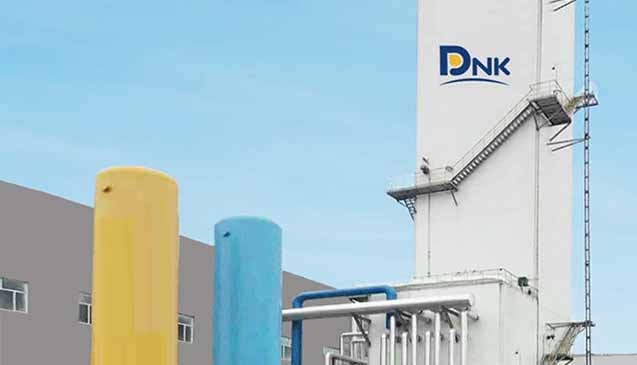
An air separation unit (ASU) is a vital industrial system. It converts normal atmospheric air into high-purity oxygen, nitrogen, and argon. Modern production heavily relies on these gases. By utilizing cryogenic distillation, the equipment separates these elements. It exploits their distinct boiling points. Then, it supplies them as a steady, regulated flow. These products can be generated right where they are needed. Consequently, an ASU acts as crucial, silent infrastructure for numerous industrial applications. These range from massive steel facilities to dedicated plant gas centers.
For an engineering or purchasing group, the main issue is rarely whether an ASU can make a gas. The more significant issue is deciding which setup matches the specific operation. They must determine the exact mix of gases needed. They also need to know the required purity and pressure. Furthermore, they must identify the actual volume the process uses. Finally, the gas must be in a format that fits how it will be delivered and applied. This guide examines how air separation units assist various sectors. It also explains how the correct ASU type fits actual production situations.
How an Air Separation Unit Works
The process at an ASU starts with atmospheric air. The first step involves filtering out any particles in the air. Thereafter, the air is subjected to compression and cooling. Thereafter, there is a stage of pre-purification where water, carbon dioxide, and other contaminants are removed. These components may solidify when the temperature becomes very cold. Solidification may affect the smooth running of the process. This step is very important because the next process is carried out at extremely low temperatures.
The purified air is then cooled. The temperature of this air comes down to a point close to the liquefaction point in the main heat exchanger region. In this region, cold product and waste streams coming back absorb energy. In doing so, wastage of energy is prevented. In the fractionation column, vapor rises while liquid falls. This phenomenon takes place at many mass transfer steps. Nitrogen is very volatile. Thus, nitrogen collects in the top region while oxygen collects in the bottom region. Through continuous vaporization and condensation, the efficiency of the separation process improves.
Main Product Forms of Industrial ASUs
DINAK provides the main ASU configurations. The selection process depends less on the manufacturer. Instead, it relies on the format, quantity, and pressure the operation truly demands. Three distinct configurations match specific production methods. The suitable choice depends directly on how the facility will utilize the gas.
Gaseous ASU for Continuous On-Site Supply
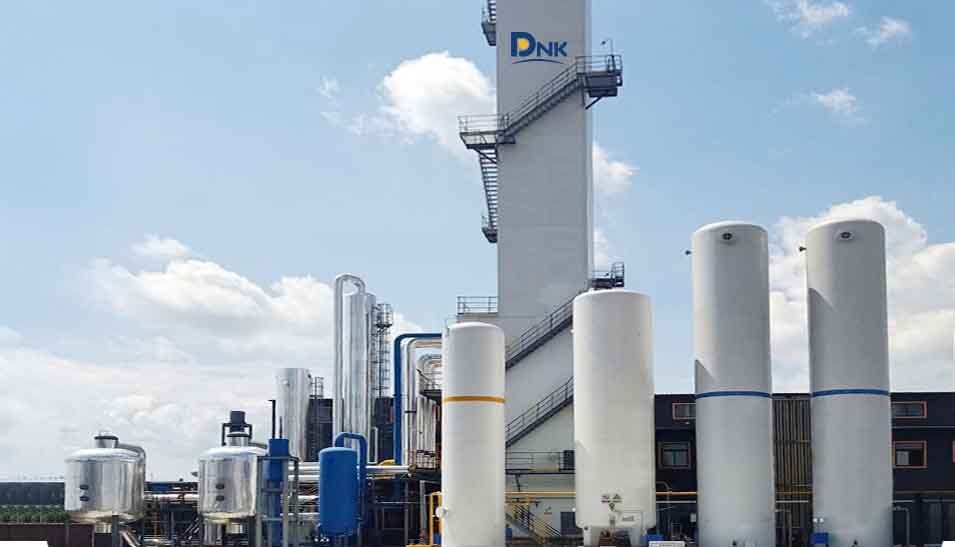
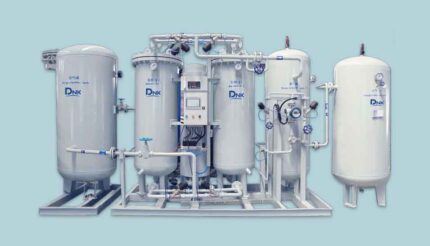
A gaseous ASU is a great fit for locations needing a constant flow. It delivers gaseous oxygen or nitrogen directly into the facility's pipeline. Sometimes, gas usage is constant. Also, the gas might be used near its production source. In these cases, gaseous delivery is straightforward and inexpensive. Moreover, it is very dependable. Operators can adjust it to meet the specific purity and pressure a certain process demands.
Large-Scale ASU for Centralized High-Volume Demand
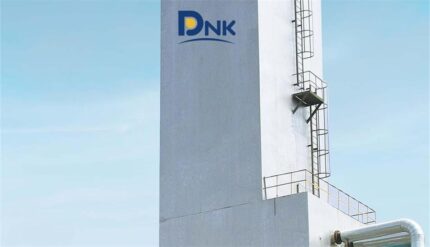
A steel fabrication plant, a combined chemicals factory, and many other heavy industries have particular requirements. Most of these need an ASU with centralization. It should be capable of producing very large quantities of high-purity gas. Furthermore, it should be able to handle a wide range of load adjustment facilities. The large-scale ASU systems offer all such facilities. Continuous heavy production requires these kinds of characteristics. On the other hand, a modular skid-based design keeps the physical size of the unit very small.
Full-Liquid ASU for Storage and Distribution
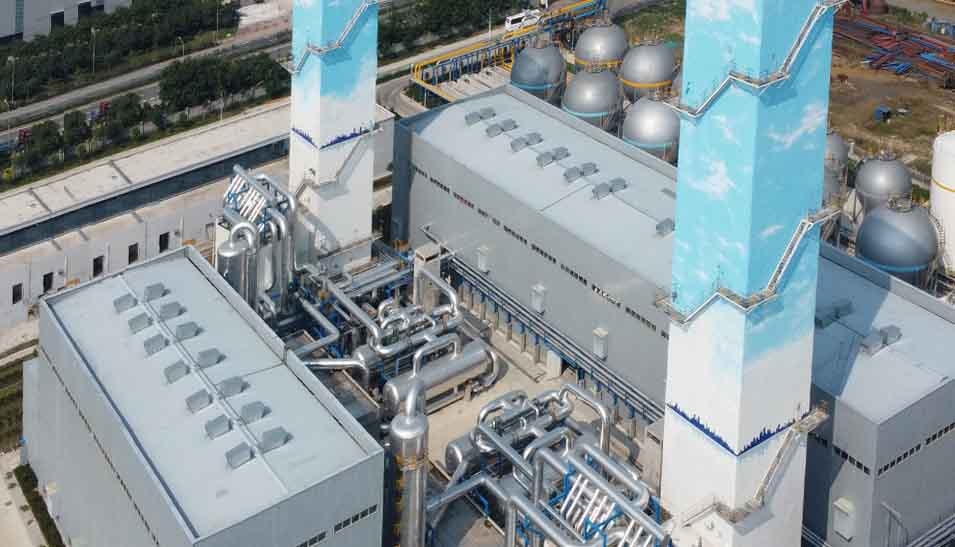
A full-liquid ASU is designed specifically to generate liquid oxygen, liquid nitrogen, and liquid argon. Liquid products can be kept in storage. They can also be moved over long distances. Therefore, this format expands distribution beyond fixed pipeline networks. It is ideal for commercial gas suppliers and liquid-fill businesses. It also benefits locations experiencing variable or seasonal usage. Certain process features are available. These include low-pressure circulation and medium-pressure double-expansion circuits. These options provide quick startup times and a broad adjustment range.
Industries That Rely on ASU Output
Looking at industrial uses is the best way to see an air separation unit's worth. Different business areas take different gases for distinct tasks.
Steel, Metallurgy, and Non-Ferrous Smelting
In the industry of steel and metallurgy, oxygen helps processes that take place at high temperatures, such as the conversion of steel and casting. Oxygen is beneficial for oxygen-enriched combustion as well. Oxygen-enriched processes increase productivity levels while lowering the amount of energy used and pollution released. Nitrogen provides safe atmospheres and cooling for non-ferrous smelting of such metals as copper, lead, and zinc. Argon is used when an inert atmosphere is required.
Chemical and Petrochemical Processing
Chemical and petrochemical plants require oxygen as a source of oxidation. Oxygen is also employed as a chemical reaction material when conducting chemical processes. Nitrogen acts as a safe inert gas. It is utilized in the blanking and purging of lines. It also assists in hazard mitigation. For such cases, having a reliable source of gas is very important. This becomes mandatory not only for efficiency but also for safety.
Glass, Paper, and New-Energy Materials
Oxygen is used by the glass-making industry to sustain the high-temperature melting process. On the other hand, paper-making industries employ gases in the process of bleaching and processing. In the case of the new energy and electronics materials industry, high-purity nitrogen and argon are critical. These materials provide the pure atmosphere necessary for the production of photovoltaic silicon. They are also important for the manufacture of lithium battery materials and components.
Selecting the Right ASU Configuration
A useful ASU assessment starts with the gas demand profile. This includes the needed amount of oxygen, nitrogen, and argon. It also covers the required purity for each item. Additionally, it looks at the usage pattern over a specific period. Defining these numbers initially narrows down the choices. It moves the focus from a wide range of possibilities to the exact setups that can handle the workload. This prevents choosing a system with too much capacity. This step is vital because the raw air compressor consumes the vast majority of the unit's operating energy.
The next standard is the product combination and delivery format. These gases cannot be swapped for one another in their applications. A facility might require just one gas. Alternatively, it might need multiple gases. It could also require a mix of both gaseous and liquid outputs. The goal is to align the product mix with the appropriate ASU process. This could be a gaseous setup, a massive centralized unit, or a full-liquid facility. This alignment ensures the design remains perfectly sized for its intended use.
The final standard is project suitability. DINAK provides custom ASU solution designs. They adjust product gas types, purity levels, and output pressures. They also modify product ratios to match specific working environments. Furthermore, they combine the process with a modular skid-mounted structure. They include a smart control system for simple one-key start and stop functions. This system also allows for remote tracking.
Conclusion
Air separation units are now crucial infrastructure for industrial gas generation. They dependably provide oxygen, nitrogen, and argon. These gases drive combustion, safety, and precision tasks. They are used across the steel, chemical, glass, paper, and new-energy sectors.
DINAK offers a combination of gaseous, large-scale, and full-liquid ASU choices. They possess deep expertise in cryogenic air separation and gas management. Sometimes, a gas requirement profile does not match a standard machine. In these cases, DINAK can create a tailored air separation system. This design will focus on your specific purity, volume, pressure, and product-format needs.
FAQ
Q: How does an air separation unit separate oxygen, nitrogen, and argon?
A: The equipment compresses and cleans regular atmospheric air. It cools the air until a portion of the flow turns into liquid. Then, it sends this mixture to a fractionating column. Continuous vapor-liquid interaction gathers the highly volatile nitrogen near the top section. Oxygen collects near the bottom section. Argon has a boiling point between the two. Therefore, it is extracted from a middle area for extra purification if needed.
Q: How does a gaseous ASU differ from a full-liquid ASU?
A: A gaseous ASU is arranged mostly to supply oxygen and nitrogen as a gas. It provides them at the pressures required by linked industrial consumers. Conversely, a full-liquid ASU mainly creates liquid oxygen, nitrogen, and argon. A standard design produces very little or zero gaseous output. The chosen distribution method and the final consumer demand dictate which setup is better.
Q: Can an ASU be customized for a specific plant?
A: Absolutely. An ASU can be tailored for specific product gas types and purity levels. It can also be adjusted for output pressure, total volume, and product ratios. DINAK offers personalized air separation solution designs. Therefore, the equipment perfectly matches a facility's true gas needs, available physical space, and specific working conditions.
-430x247.jpg)
内页小-430x246.jpg)