An Air Separation Unit performs best when its layout, utilities, product pipelines, and downstream interfaces are planned as one industrial system. Site integration determines how efficiently gases are delivered from the ASU to downstream process users, how operators access equipment, and how the plant responds to actual operating conditions. ASU selection should therefore begin with the site role of the unit, not with equipment size alone.
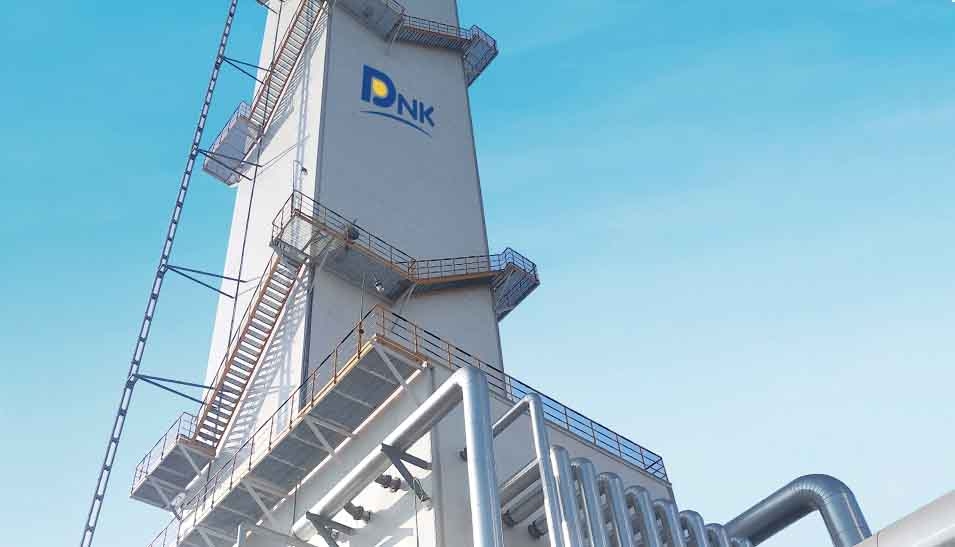
Why Site Integration Matters for an Air Separation Unit
Connecting Production With Users
Oxygen, nitrogen, and argon must reach the processes that consume them under defined flow, purity, and pressure conditions. A layout that places the ASU, main headers, and high-demand users in an optimized arrangement can simplify routing and support stable industrial gas supply. The design basis should identify each major user before equipment positions are fixed.
Balancing Safety and Operability
An industrial ASU requires clear access for operation, inspection, assembly, and training. Equipment spacing, access routes, isolation points, and connections to downstream systems should be considered together. Site integration is not only a civil-layout exercise; it links process requirements with operational procedures and maintenance requirements.
Key Site Interfaces Around an ASU
Oxygen, Nitrogen, and Argon Pipelines
Pipeline interfaces define how products leave the Air Separation Unit and enter the downstream industrial gas supply network. Engineers should map normal and peak demand, route lengths, pressure-control requirements, and the location of major users. Gaseous products may serve continuous process lines, while liquid products require different process interfaces and product handling considerations.
Utilities and Cooling Conditions
Power, cooling arrangements, instrument air, drainage, and other utilities influence the practical placement of ASU equipment. Utility tie-in points should be identified early so that the selected configuration can be assessed against site conditions. Climate, altitude, and available cooling conditions can also affect the engineering basis without implying a universal design.
Equipment Access and Construction Sequence
Large equipment sections, cold-box components, heat exchangers, piping, and electrical systems require coordinated installation planning. Access for lifting and assembly should be considered before permanent structures or pipe racks restrict the work area. A coordinated construction plan reduces avoidable interference between process, mechanical, electrical, and civil activities.
How Layout Supports Industrial Operation
Stable Gas Delivery
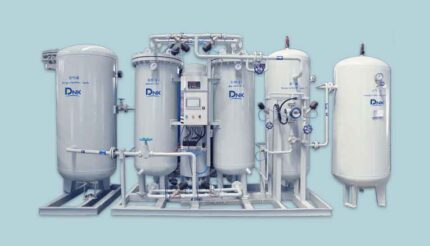
DINAK's Gaseous ASU solutions are designed for industrial sites requiring on-site gaseous oxygen and nitrogen supply. Site planning should integrate product interfaces, major users, pressure-control points, and operational access into the overall design basis. This helps the plant connect gaseous production with actual process demand.
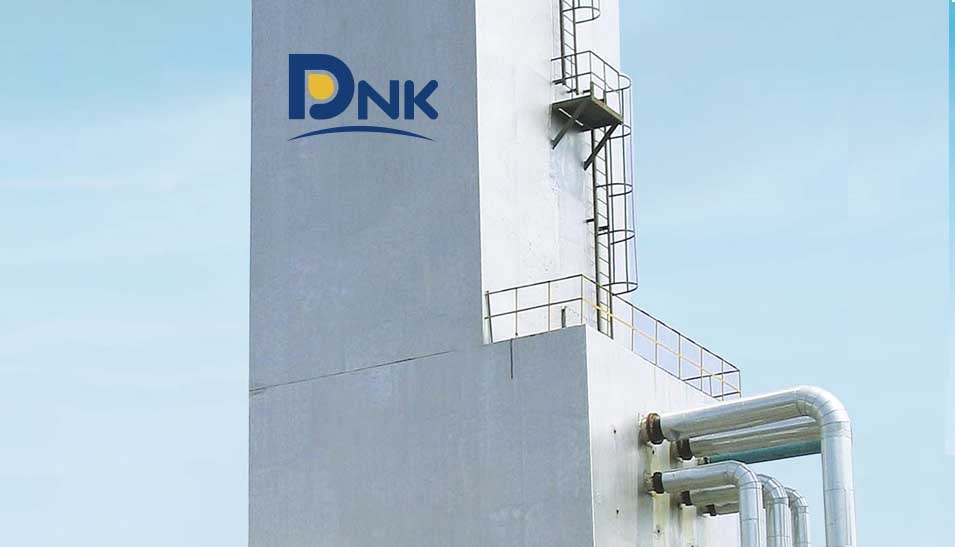
Liquid Product Planning
A site requiring liquid oxygen, nitrogen, or argon products requires a different ASU configuration and product interface compared with direct gaseous supply. The Air Separation Unit should be positioned and connected according to the intended product form, operating schedule, and industrial distribution role. It requires coordinating the main plant interface with the documented product requirements.
Load Changes and Future Interfaces
Industrial demand may vary between normal operation, reduced-load conditions, and peak production scenarios. The layout should leave the engineering team a clear view of how loads, users, and pipeline branches interact. Future interfaces should be considered according to documented project requirements and planned operating conditions.
Site Integration in Major Industrial Applications
Steel and Non-Ferrous Metallurgy
Metallurgical plants often have concentrated oxygen users and supporting nitrogen duties distributed across furnaces, refining areas, and auxiliary systems. A practical ASU layout considers route length, simultaneous consumers, access around process units, and the relationship between central headers and individual users. Argon requirements should be included where the process calls for them.
Chemical and Petrochemical Plants
Chemical and petrochemical sites may use oxygen in process operations and nitrogen for inerting, purging, sealing, or process protection. Their site integration plan should connect the Air Separation Unit with battery-limit conditions, safety interfaces, utility systems, and the operating schedule of downstream units. The optimal arrangement should be based on actual process requirements rather than industry classification alone.
Industrial Gas Production
Industrial gas production sites may require different product forms depending on customer demand and plant operating requirements. The layout must account for product routes, customer-facing interfaces, operating access, and the balance between gaseous and liquid output. Product family selection should be based on the defined supply role and site conditions.
Engineering Factors for Site-Integrated ASU Projects
Product Demand and Capacity
The design basis should separate minimum, normal, and peak oxygen, nitrogen, and argon demand. It should also identify whether each product is needed as gas or liquid and where the delivery pressure is measured. This information lets DINAK assess the appropriate product family without relying on a generic capacity label.
Site Layout and Utility Conditions
Available space, pipe-rack routes, access roads, lifting paths, power supply, cooling arrangements, climate, and altitude all belong in the site review. These factors help determine how the ASU connects with existing industrial infrastructure. They should be considered before process, mechanical, and construction details are finalized.
Downstream Connections and Operator Needs
The plant should show how products enter downstream systems, how operating information is communicated, and how staff reaches equipment and controls. Operational requirements should be considered during project planning. Clear interfaces reduce ambiguity between the ASU supplier, construction team, and plant operator.
How DINAK Supports Site Integration
Choosing the Appropriate Product Family
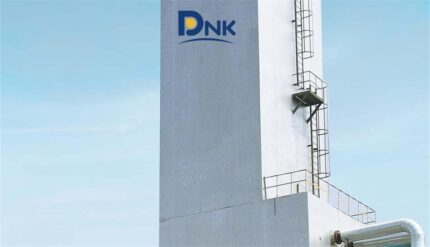
DINAK's Large-Scale ASU solutions address high-capacity industrial gas requirements, while different ASU configurations serve different industrial gas production requirements. The appropriate choice depends on product form, demand, site conditions, and operating priorities. A site-integrated review ensures those factors are evaluated together.
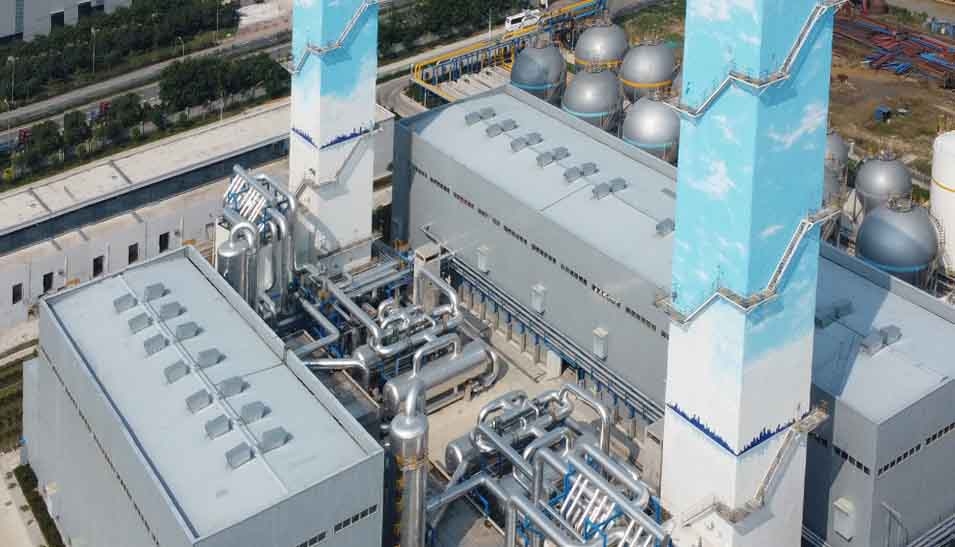
From Engineering to Assembly
DINAK provides engineering support and project coordination to help align ASU configuration with site requirements. Coordinating these activities around the site layout helps align equipment interfaces, utility tie-ins, installation sequence, and operator requirements. Customization should follow documented project conditions without unsupported guarantees.
Conclusion
Site integration shapes how an Air Separation Unit performs its industrial role. Product pipelines, utilities, layout, access, construction sequence, downstream connections, and operational requirements should be considered together. DINAK can then evaluate the product family and engineering approach against the actual site rather than a generic installation concept.
Explore DINAK's industrial air separation solutions to plan an ASU that fits your plant layout and operating interfaces.
FAQ
Q: What does site integration mean for an Air Separation Unit?
A: Site integration means coordinating the ASU with product pipelines, utilities, downstream users, access routes, construction areas, and operating responsibilities. It ensures that oxygen, nitrogen, and argon can move into the industrial process under defined conditions while equipment remains practical to install and operate.
Q: Which utilities should be considered during ASU site planning?
A: The review should consider power, cooling arrangements, instrument air, drainage, access, and other required plant services. Climate, altitude, available space, and connection points also matter. DINAK can evaluate these conditions as part of the engineering basis for the selected Air Separation Unit configuration.
Q: Why do pipeline routes affect ASU selection?
A: Pipeline routes influence delivery interfaces, pressure control, access, construction sequence, and the relationship between the ASU and major users. Long or complex routes may create different engineering requirements from a compact process site. The product network should therefore be mapped before the layout is finalized.
Q: What information should a site-integrated ASU plan include?
A: Include oxygen, nitrogen, and argon demand; gas or liquid product form; purity; delivery pressure; normal and peak flow; utility conditions; site climate and altitude; available space; pipeline routes; downstream interfaces; construction access; and operator responsibilities. These inputs give DINAK a practical basis for engineering coordination.
-430x247.jpg)
内页小-430x246.jpg)