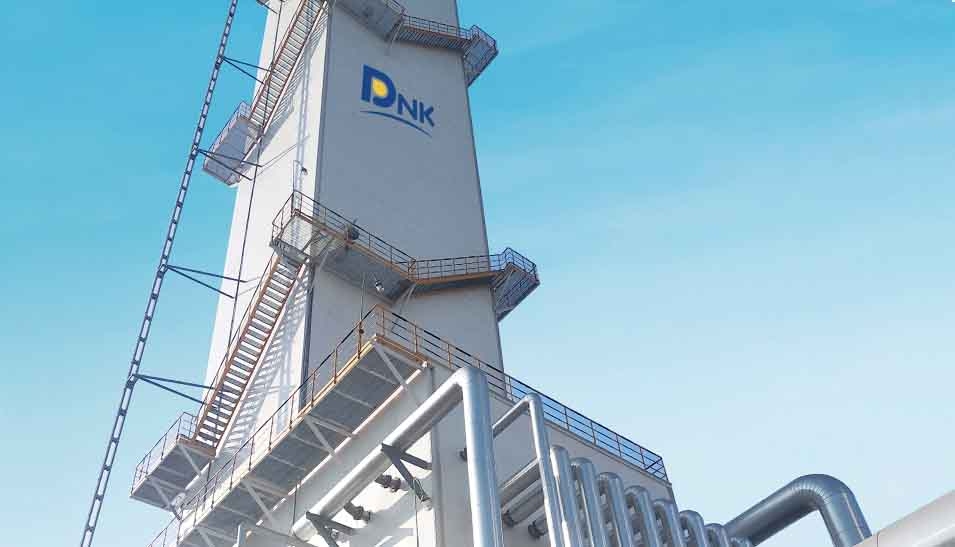
Air separation units (ASUs) transform basic atmospheric air into the high-purity oxygen, nitrogen, and argon that modern factories need to function. Using cryogenic distillation, an ASU takes advantage of the unique boiling points of each gas. Oxygen boils at about −183 °C, argon at −186 °C, and nitrogen at −196 °C. This allows the system to separate them in a steady and efficient way. These industrial gases keep furnaces hot, chemical reactors safe, and assembly lines moving. From massive steel plants to small on-site gas rooms, the ASU has become a vital but quiet part of the world’s industrial infrastructure.
For a purchasing team, the real question is not just if an ASU works. Instead, they must find which setup fits their specific work. They need to know what gas mix and purity are required. They also look at the pressure and volume needed for their daily tasks. This article explains how air separation units help different sectors. It also shows how picking the right ASU type matches real-world production needs.
Why Industrial Gas Demand Drives ASU Design
The requirements of industrial gases constitute the real basis for ASU design. The engineer should consider the amounts of oxygen, nitrogen, and argon to be produced. Their required purity and the pressure used in the factory will affect the decision-making process. The size of the ASU and its separation technology depend on those factors. An ASU that meets the exact requirements of the industry will avoid energy overconsumption or lack of capacity. It is an important economic consideration because the air compression constitutes a major part of ASU costs.
The operation method of the plant is another critical aspect to consider. Some plants require constant operation with an equal amount of gas throughout the day. Others have varying demand depending on the schedule. A flexible regulation range will make the ASU able to adapt to changing demands and still maintain a stable distillation process. Here comes into play the significance of having the control system. A contemporary ASU relies on numerous sensors controlling the compression, cooling, and purification processes. All these are managed using DCS or PLC platforms.
Oxygen for Combustion and Oxidation
The most important material for companies working with high temperatures is oxygen. In steel production, it is an oxidizing agent inside the furnace. It increases temperature and accelerates the smelting process. The application of oxygen-enriched air in a blast furnace also decreases the usage of fuel and emissions. The same principle is applied to smelting of copper, lead, and zinc. Oxygen is also used in the production of glass and in chemical processes. Constant oxygen supply contributes directly to increased production at a factory.
Nitrogen and Argon for Protection and Inerting
Nitrogen and argon serve a completely different purpose. They protect materials that are very sensitive to oxygen and moisture. In petrochemical industries, nitrogen serves the role of a “shielding agent,” protecting against fire or explosions by purging the pipes and shielding the tanks. For electronic and solar panel industries, high-purity nitrogen helps to create a clean environment for sensitive equipment. Argon is the most commonly used shielding gas in welding and crystal growth operations. High-purity nitrogen is essential for manufacturing lithium batteries and other green energy products.
Matching ASU Product Forms to Industrial Needs
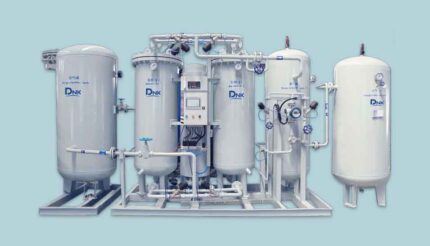
DINAK provides the main ASU configurations, including small-scale, large-scale, gaseous, and full-liquid types. This variety allows a plant to choose a unit based on how they use their gas. The choice depends on the form, volume, and pressure required by the work.
Gaseous ASU for Continuous On-Site Supply
A gaseous ASU works best for sites that need a constant flow of oxygen or nitrogen through a pipeline. When a factory uses gas all the time near the source, gaseous delivery is the best path. It is simple, stays at a low cost, and is very dependable. The system can be adjusted to the exact purity and pressure the process needs. You can explore gaseous ASU solutions for machines designed for direct on-site supply.
Large-Scale ASU for Centralized High-Volume Demand
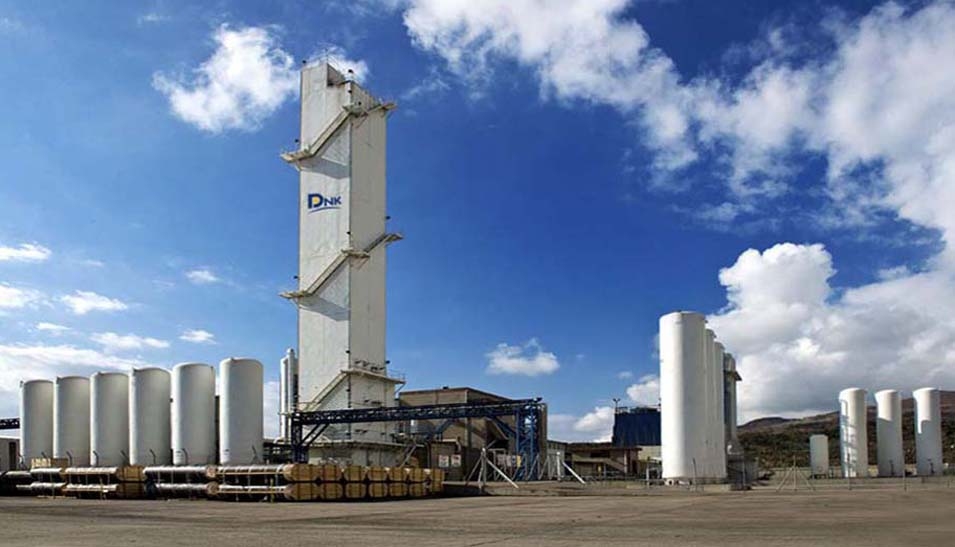
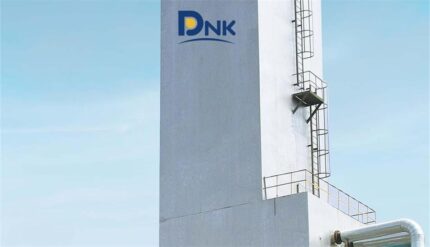
Steel hubs and large chemical plants often need a massive amount of high-purity gas. Large-scale ASU systems provide the high capacity and steady flow that heavy industry requires. These systems often use modular skid designs. This helps keep the equipment compact and makes it faster to set up and start.
Full-Liquid ASU for Storage and Distribution
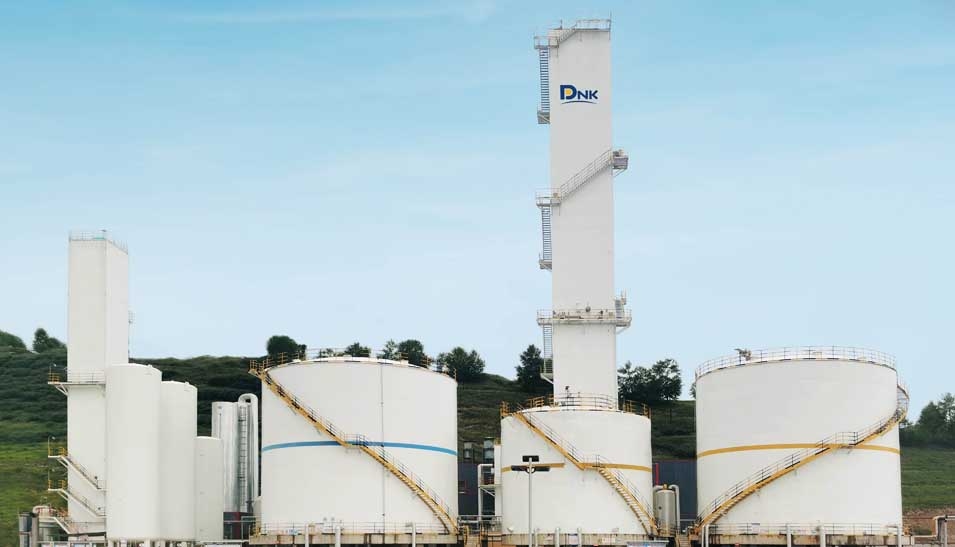
A full-liquid ASU is designed to make liquid oxygen, nitrogen, and argon. Since liquid gas is easy to store and move, this type is great for places without pipelines. It serves gas distributors and sites where demand changes with the seasons. These units use special cycles, like low-pressure circulation, to start up quickly. Full-liquid ASU solutions allow for flexible gas ratios and easy liquid storage.
Industries That Rely on ASU Output
Looking at industrial use is the best way to see the value of an ASU. Different sectors need different gases for specific tasks.
Steel, Metallurgy, and Non-Ferrous Smelting
In the steel sector, oxygen is used for high-heat tasks like steel conversion. Argon is also necessary for making high-end specialty steels. For smelting metals like copper or zinc, using oxygen makes the process more efficient and saves energy. Meanwhile, nitrogen provides a safe atmosphere and helps with cooling throughout the factory.
Chemical and Petrochemical Processing
Chemical plants use oxygen as a reactant in many reactions. They use nitrogen as a safety gas to clear out pipelines and prevent hazards. Having a reliable gas source is a matter of both productivity and safety.
Glass, Paper, and New-Energy Materials
Glass producers make use of oxygen to enable melting of the components at extremely high temperatures. On their part, paper manufacturers utilize gases for processes like bleaching. In the hi-tech era, high-purity gases such as nitrogen and argon are utilized to create the clean atmosphere required by solar panels and lithium batteries; the presence of even the smallest particle of contamination can spoil these products.
Selecting the Right ASU Configuration
An intelligent review of an ASU begins by establishing the demand for the gas in question. It is essential to identify the demand volume, its level of purity, and the use cycle. Establishing the aforementioned figures will help in selecting an ASU that will not be oversized.
Secondly, the product mix and delivery mode need to be established. Oxygen, nitrogen, and argon gases each play a different role. In some plants, one gas may be enough, while in others both gas and liquid forms are required. Matching the product mix and the ASU is therefore critical.
The third part is making sure the project fits the site. DINAK offers customized ASU solution design. We can change the gas types, purity levels, and pressure to fit your needs. Our systems use modular designs and smart controls for easy operation. This includes remote monitoring and the specific delivery form your site requires.
Conclusion
Air separation units are now a core part of modern industry. They provide the oxygen, nitrogen, and argon that drive high-heat work and precision manufacturing. These units serve many fields, from steel and chemicals to glass and green energy.
DINAK offers a full range of small-scale, large-scale, gaseous, and full-liquid ASU options. We have over twenty years of experience in cryogenic gas technology. If your needs don't fit a standard machine, DINAK can build a customized air separation solution just for you. Contact our engineering team to talk about your project.
FAQ
Q: How does a gaseous ASU differ from a full-liquid ASU?
A: A gaseous ASU sends gas directly into a factory through pipes. A full-liquid ASU makes liquid gas that can be stored in tanks or moved by truck. Gaseous units are good for steady local use, while liquid units are better for storage and shipping.
Q: Which gases does the steel industry rely on most from an ASU?
A: Steel plants mostly use oxygen to help with high-heat smelting. They use argon for making special types of steel and nitrogen for cooling and protection.
Q: Can an ASU be customized for a specific plant?
A: Yes. An ASU can be built to match specific gas types, purity, and pressure. DINAK provides customized air separation solution designs to fit the exact needs and space of any factory.
-430x247.jpg)
内页小-430x246.jpg)