A Gaseous ASU generates oxygen and nitrogen in gas form. It then feeds them directly into the process systems of a facility. For a chemical plant, this setup is typically the ideal starting point. The gas is sent to the consuming units via pipe headers. The system avoids any additional storage tanks and vaporizers that are necessary with liquid handling. A gaseous air separation unit cools down and separates the air in a cryogenic process. Finally, the system delivers the products at the right pressure for the next operations. That is why chemical producers often choose the gaseous system.
Why Chemical Plants Prefer a Gaseous ASU
Chemical operations require a constant flow of industrial gas. Furthermore, the necessary pressure levels frequently differ throughout the site. A gaseous ASU is designed specifically to match this operating pattern. It creates the gas directly on site. Then, it transports the gas exactly to the locations where the process demands it.
Continuous Oxygen and Nitrogen at the Point of Use
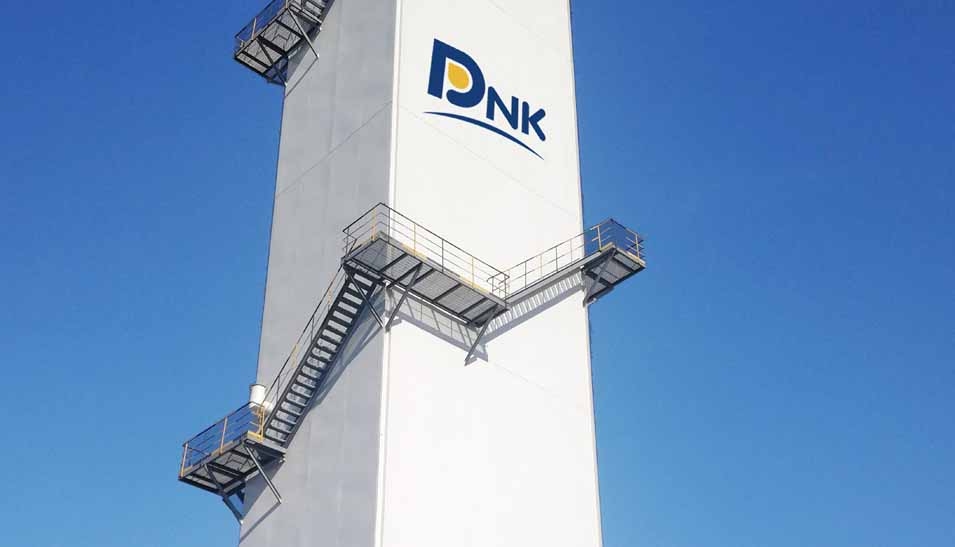
Oxygen and nitrogen support multiple chemical units simultaneously. Their roles range from oxidation and gasification tasks to inerting and blanketing applications. A gaseous ASU ensures both products flow continuously through the gas network of the plant day and night. Consequently, every unit pulls from a highly dependable, on-site source. This uninterrupted availability is vital in the chemical industry. In this sector, a sudden halt in gas supply can shut down a complete production line.
From Low-Pressure to High-Pressure Supply
Different chemical units require different pressure levels. Some processes function perfectly well with low-pressure gas. Other applications like ammonia and methanol production require oxygen at megapascals of pressure. The design of gaseous ASU is such that it could either be used for low-pressure supply or for high-pressure output.
How a Gaseous ASU Delivers Gas to the Process
A gaseous ASU utilizes the standard cryogenic process found in some air separation plant. However, it differs significantly in how operators extract the final product. The separated products exit the cold section entirely as gas. From there, they travel directly toward the specific users that require them.
Cryogenic Separation in the Cold Box
The system first filters and compresses ambient air. Next, it pre-cools and purifies this air. This vital step prevents water, carbon dioxide, and hydrocarbons from freezing within the cold section. The system then chills the cleaned air to cryogenic temperatures. Afterward, it feeds the chilled air into the fractionating column. Inside this column, continuous vaporization and condensation cycles occur. These cycles concentrate nitrogen near the top and oxygen near the bottom. Ultimately, this process yields high-purity oxygen and nitrogen, completely ready for immediate delivery to the facility.
Two Process Routes for Different Pressures
The gaseous configurations provided by DINAK feature an ultra-low pressure process. In this setup, the raw-air compressor can function at a pressure as low as 0.43 MPa. Additionally, DINAK offers an internal compression process. This alternative method can push oxygen and nitrogen output pressures up to 8.5 MPa. These numbers serve as specific reference values for each configuration. Ultimately, the correct pathway depends entirely on the actual pressure requirements of the downstream processes. Selecting the appropriate option will also heavily influence the overall energy profile of the entire facility.

Stable Delivery Through the Gas Network
After production, the gas flows into main headers and control stations. These components carefully direct the gas to the various consuming units. Engineers plan the pressure control and distribution systems alongside the overall process layout. Therefore, every individual user receives gas accurately at its designated set point. This integrated network effectively transforms a basic separation plant into a highly reliable gas supply system for the entire site.
What a Gaseous ASU Covers in a Chemical Site
Within chemical operations, the ASU functions less as an isolated machine. Instead, it acts more like a core supply backbone. The generated products support numerous distinct tasks simultaneously throughout the industrial site.
Oxygen Duties Across the Plant
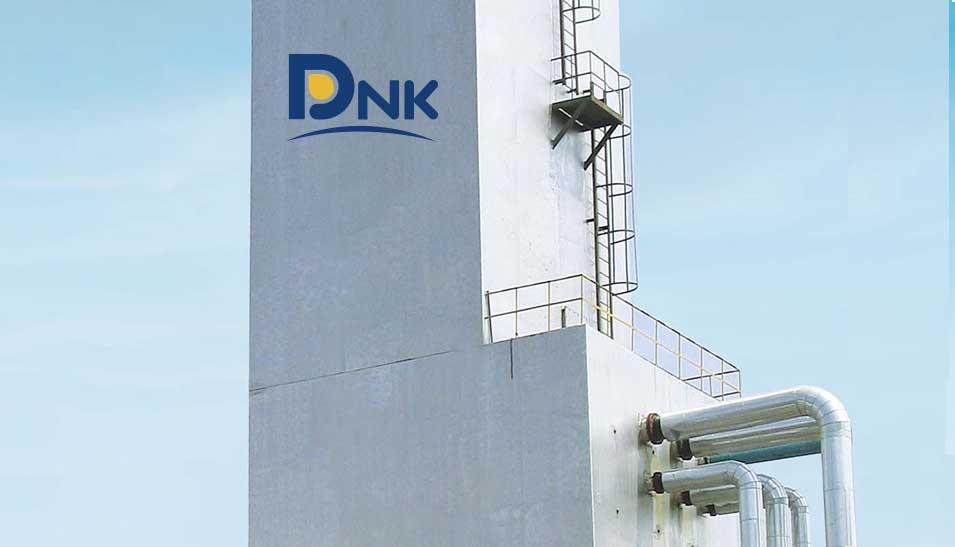
Oxygen facilitates critical oxidation and gasification tasks across numerous chemical processes. Sometimes, a specific unit requires a much higher pressure. In these cases, the ASU can be tailored to supply gas directly at the required process interface. By aligning the oxygen supply with the specific pressure and purity needs of each task, the facility avoids installing extra downstream equipment.
Nitrogen for Inerting, Purging, and Protection
Nitrogen acts as the primary workhorse for chemical plant safety. It effectively removes air from storage vessels. Furthermore, it purges pipelines and sustains inert environments during the handling of flammable or highly reactive materials. The demand for nitrogen at a chemical site remains generally steady and widespread. Therefore, having a continuous gaseous source greatly simplifies both daily operations and long-term planning.
Argon Where the Process Calls for It
Certain processes demand an inert atmosphere that exceeds the capabilities of standard nitrogen. In such situations, engineers can add argon production to the configuration. The argon section of a DINAK plant employs a comprehensive rectification process. This method achieves impurity levels in the very low PPM range. Consequently, the final product easily meets the strict requirements of demanding applications. This feature is incorporated only when the specific process truly needs it. This targeted approach keeps the separation plant firmly focused on generating its primary products.
DINAK Gaseous ASU in Practice
DINAK engineers and delivers gaseous ASUs tailored for chemical plants. The main body of the equipment is skid-mounted. This practical design ensures a much smaller physical footprint and significantly reduces the installation period. These systems operate with exceptional stability and feature a high degree of automation. Moreover, the advanced process design deliberately aims to minimize energy consumption throughout the entire lifespan of the plant.
Reference Configurations for Chemical Service
Standard published gaseous configurations designed for chemical service include the KDON-6000/13000 model. This specific unit supplies 6000 Nm³/h of oxygen at a pressure of 4.0 MPa, alongside 13000 Nm³/h of nitrogen. Additionally, the internal-compression model KDONAr-9000/10500/280 elevates the oxygen pressure to 8.25 MPa. It also produces 280 Nm³/h of argon with extremely low PPM impurity levels. These numbers function primarily as helpful reference points.
Designed for Stable, Low-Energy Operation
The skid-mounted main body effectively decreases the required installation time. It also successfully maintains a compact equipment footprint. A sophisticated level of automation ensures that daily operation remains straightforward and highly stable. Concurrently, the refined process design actively works to reduce overall energy consumption. Chemical plants generally operate on a continuous basis. For these busy facilities, such beneficial traits result in a reliable supply system that functions smoothly in the background.
Choosing the Right Gaseous ASU
The process of selecting a gaseous ASU must begin with analyzing the plant operations, rather than just looking at the equipment. The specific gas requirements, their corresponding pressure levels, and the overall site layout are crucial factors. Together, these elements clearly dictate the most appropriate system configuration.
Set Demand and Pressure Before Sizing
Start the evaluation by cataloging every distinct oxygen, nitrogen, and argon requirement. Note the exact pressure each task truly needs. It is important to separate normal usage rates from peak demand periods. This detailed map reveals whether a single configuration can adequately supply all users. Alternatively, it might show that varying pressure levels necessitate multiple, separate delivery points. Ultimately, the required system capacity stems directly from this specific demand profile, rather than relying on a generic plant size estimate.
Check the Gas or Liquid Balance Early
Certain chemical facilities also maintain a reserve of liquid product for backup purposes or specialized handling tasks. If liquid production is included in the project scope, engineers must clearly define the product mix and system interfaces. This step must happen before finalizing the flow scheme. Conversely, a site might rely entirely on gaseous products. In that scenario, the configuration can remain strictly focused on pipe headers and pressure control points. DINAK then carefully structures the equipment layout based on the formally documented requirements of the plant.
Conclusion
A Gaseous ASU provides a chemical facility with something much more valuable than just bulk gas. It delivers a customized supply system constructed specifically around the unique pressures, operational duties, and daily rhythm of the plant. Engineers carefully match the separation process, the delivery pressure, and the product mix to the actual needs of the facility. Through this alignment, a gaseous configuration transforms into a silent, highly dependable component of the core operations. We invite you to explore DINAK's gaseous air separation solutions. Discover the ideal configuration that perfectly matches the demands of your plant. Contact DINAK today to explore more!
FAQ
Q: What is a Gaseous ASU?
A: Gas separation units are core industrial equipment employing cryogenic separation technology, capable of efficiently separating air into high-purity oxygen, nitrogen, and argon. We are committed to providing a variety of advanced optimized processes, including innovative ultra-low pressure and high-pressure internal compression processes, to meet the diverse needs of various industries such as chemical, metallurgical, and energy for gas output, purity, and pressure. The entire system boasts mature technology and stable operation, making it an ideal choice for on-site gas production and reducing overall gas usage costs.
Q: What particular pressure levels are attainable by the gaseous ASU?
A: Much depends on the selected type of configuration. Indeed, a gaseous ASU may operate according to the ultra-low pressure process, when the pressure of the raw air compressor reaches only 0.43 MPa. Moreover, the internal compression process may be used. It is important to note that in such a case, the oxygen and nitrogen product will reach a pressure of 8.5 MPa. The figures provided above refer to a particular configuration of the plant and may vary greatly depending on the selected one.
Q: What is the key distinction between gaseous ASU and full-liquid ASU?
A: Gaseous ASU produces oxygen and nitrogen as gases only. These gases are then supplied via pipe headers to the users of the process. In comparison to gaseous ASU, full-liquid ASU produces oxygen and nitrogen as liquids, which are intended for bulk storage and distribution. The right choice solely lies in how the plant will use the gas. An industrial plant having a number of users in close proximity favors a gaseous setup. On the other hand, an industrial plant having a wide area of distribution favors a liquid setup.
-430x247.jpg)
内页小-430x246.jpg)