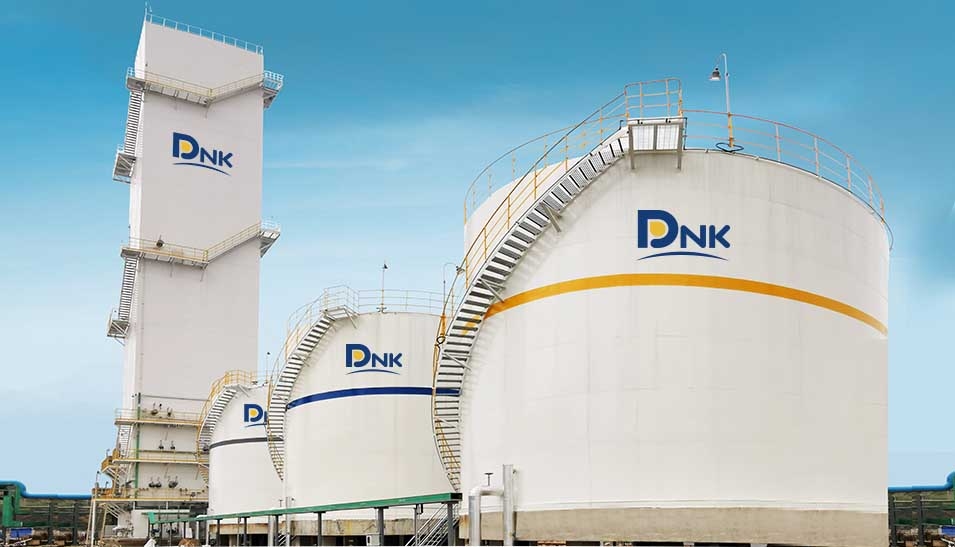
An Air Separation Unit (ASU) changes normal atmospheric air into industrial oxygen, nitrogen, and argon. These gases keep heavy industry working. The system uses cryogenic distillation to separate air. It does this by using the distinct boiling points of each component. After that, it supplies the products as gas or liquid. This delivery happens at the exact pressure a process needs. You will find these units in steel plants, chemical facilities, and gas supply operations. In these places, the ASU acts as the main power source for onsite industrial gas. Choosing the correct size and setup for a plant depends on a few things. These include the product form, total capacity, and downstream demand.
What an Air Separation Unit Does in Industry
Basically, an ASU is a continuous gas generator. It takes in regular ambient air. Then, it applies a cryogenic process to create high-purity oxygen and nitrogen. Many setups also produce argon. Some plants use very large amounts of gas. For them, this system changes how they get their supply. Instead of waiting for truck deliveries, they gain a steady on-site source.
From Ambient Air to Usable Gas
The air around us already holds these products in specific amounts. Oxygen and nitrogen form almost all of it. A tiny fraction consists of argon. The ASU does not actually make these gases. Rather, it simply separates them from the air surrounding the site. Operators measure the final output by its purity and flow rate. They match these details to the exact rules required by each downstream process.
Why Plants Build ASUs Onsite
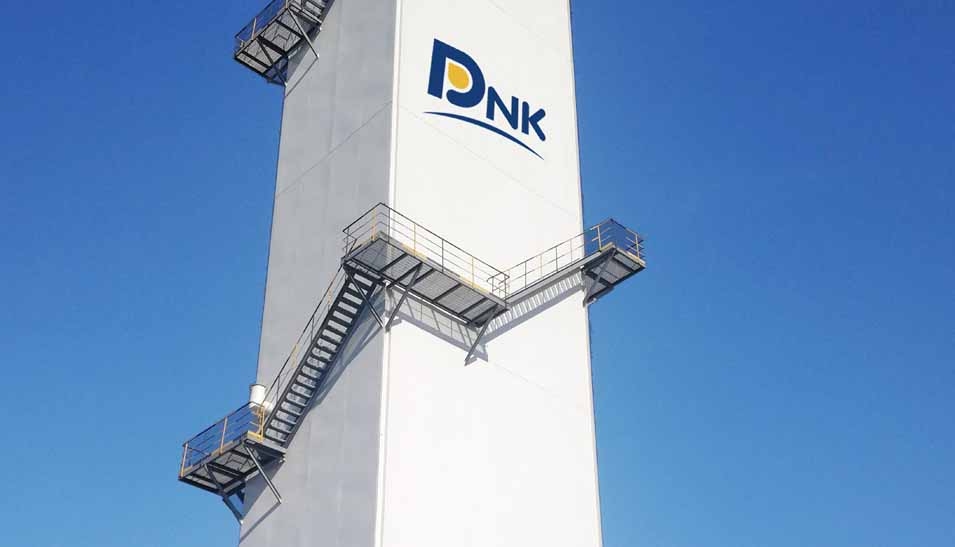
Sometimes a plant has a large and steady need for gas. In these cases, making it onsite is usually more reliable. It is also often cheaper than buying gas from outside vendors. An ASU makes the gas supply completely independent of truck delivery schedules. Furthermore, builders can size the unit to fit the specific needs of the plant. Many facilities operate without stopping. For them, this true independence is often the most important factor.
How an Air Separation Unit Works
First, it prepares the air. Next, it cools that air down to a cryogenic temperature. Then, it separates the different components through distillation. Finally, it delivers the finished products. The exact details will change based on the specific configuration. However, the basic steps always remain the same.
Compression and Pre-Purification
The system first filters the ambient air. After that, it compresses and pre-cools the air. Next comes a vital purification step. This step removes water, carbon dioxide, and hydrocarbons. If left inside, those substances would quickly freeze inside the cold section. That ice would block the entire system. Therefore, the rest of the plant completely depends on getting clean, dry air.
Cryogenic Cooling and Distillation
The system cools the prepared air to a deep cryogenic temperature. At this point, the air starts to liquefy. This mixture then moves inside the fractionating column. Here, repeated vaporization and condensation take place. This action lets the highly volatile nitrogen rise to the top. Meanwhile, the oxygen concentrates near the bottom. Argon has a boiling point right between the other two gases. The system draws the argon off if it includes a full rectification process.
Drawing the Product as Gas or Liquid
The products can leave the unit in two ways, depending on the setup. They can exit as a gas for direct pipeline use. Alternatively, they can exit as a liquid for easy storage and transport. A gaseous ASU supplies headers at the exact pressure the process demands. On the other hand, a full-liquid ASU produces liquid oxygen and nitrogen. This type creates very little or no gaseous output at all. Choosing the final product form is always one of the first decisions in any air separation project.
Industrial Applications of an Air Separation Unit
This same core technology performs very different roles across various industries. Three specific applications demonstrate this flexibility well. They show how the product mix and delivery form shift to match the job.
Steel and Non-Ferrous Metallurgy
Steel and non-ferrous smelting rely heavily on these gases. Oxygen supports combustion and refining tasks. It raises furnace temperatures and speeds up the entire process. Nitrogen takes care of purging and inerting duties. Meanwhile, workers value argon for certain refining and casting operations. Those specific tasks require a highly stable inert atmosphere. A large-scale ASU can easily match these product streams with continuous production demands.
Chemical and Petrochemical Processing
Chemical and petrochemical facilities use oxygen for oxidation and gasification duties. They also use nitrogen to displace air and purge pipelines. This keeps their systems safely inert. Sometimes, a specific process needs much higher pressure. In that situation, an internal compression process can supply oxygen and nitrogen directly at the process interface. Operators match the product pressure and purity to each individual duty. They do not force everything to meet just one single standard specification.
Industrial Gas Production
For any commercial gas company, the ASU acts as the production core of the business. A full-liquid ASU produces liquid oxygen and nitrogen. It can also produce optional argon. Companies use these liquids for storage, transport, and regional sales. A gaseous or combined layout offers a different benefit. It can balance standard pipeline supply with liquid products. This choice depends entirely on how the company serves the local market around the plant.
Choosing the Right Air Separation Unit
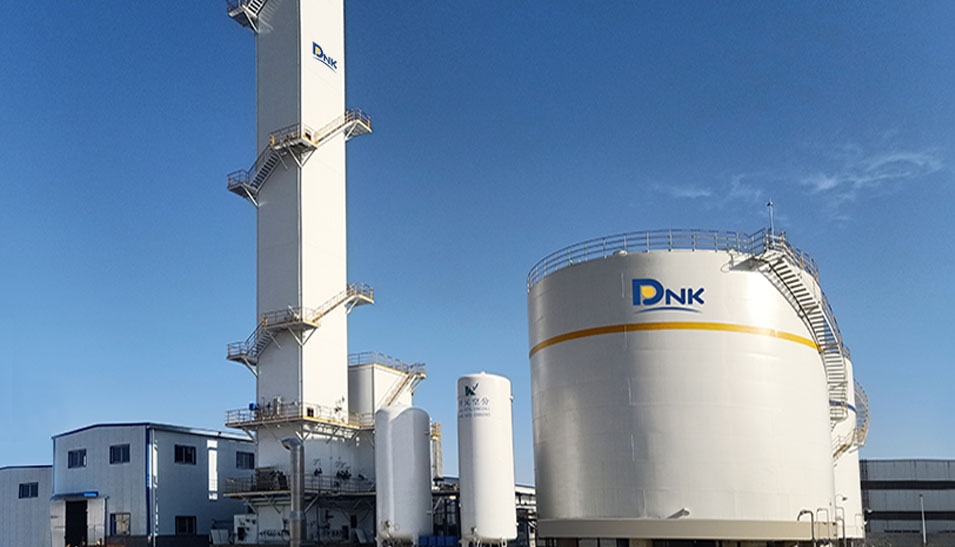
Picking the right ASU is essentially a matching exercise. You must align the industrial process with the proper equipment. For DINAK configurations, the review process starts by looking at the plant's gas duties and local site conditions. Next, the focus moves to the process route and the final product form. It is important to get these basic facts right early on. Doing so prevents adding extra complexity that the site simply does not need.
Define Product, Capacity, and Pressure
You should start by listing every single gas duty. Note whether each task needs gas or liquid. Also, record the required purity and operating pressure. The actual demand profile dictates the correct size. A simple product label does not make that decision.
Match the Configuration to the Site
The process route, site conditions, and operating profile all help shape the final setup. A low-pressure or internal compression process works well for one specific set of pressures. Meanwhile, a completely different route might fit another situation better. With a wide range of services and a complete after-sales service team, DINAK's engineers support customers in the best way and are the best partner for the smooth and efficient operation of the plant.
Conclusion
An Air Separation Unit is much more than just a normal machine. It serves as the primary gas backbone for a heavy-industrial site. You must match the separation process, product form, capacity, and delivery pressure to the actual demands of the facility. By doing this, the ASU becomes a quiet and highly dependable part of daily operations. You can explore DINAK's industrial air separation solutions today. This will help you find the ideal configuration that fits your plant.
FAQ
Q: What gases does an Air Separation Unit produce?
A: An Air Separation Unit produces high-purity oxygen and nitrogen as its main outputs. Argon is also available in setups that include a full rectification process. The oxygen purity normally reaches about 99.6%. Furthermore, buyers can specify nitrogen purity down to a very low single-digit PPM of oxygen. The downstream duties of the plant will determine the exact product mix.
Q: How is an ASU different from buying industrial gas?
A: An ASU produces the required gas continuously right on the site. In contrast, purchased gas arrives via pipeline or truck in strictly limited amounts. A plant might have a great and steady demand for gas. For them, producing it on-site normally offers a much more reliable supply. It also tends to cost less overall.
Q: Which ASU type suits a gas producer?
A: A commercial gas producer usually wants a full-liquid ASU. This unit produces liquid oxygen and nitrogen. It can also create optional argon for storage and regional distribution. Sometimes, nearby pipeline users exist in the area. In those cases, the company might add a gaseous or combined configuration. The best layout depends heavily on how the company serves the local market. It also depends on the specific product forms that the customers need.
-430x247.jpg)
内页小-430x246.jpg)