DINAK brings two decades of hands-on manufacturing know-how. The company has zeroed in on improving and refining gas handling, splitting, and cooling methods. Through the years, DINAK has earned a solid reputation in the world of industrial gas setups. This comes from supplying dependable, power-saving equipment to a range of sectors. In tough fields like metalworking, oil refining, and construction materials, keeping nitrogen at a steady level of cleanliness matters a great deal. It supports smooth operations and safe practices. Yet, tough settings—think scorching heat, damp air, and floating particles—often lead to ups and downs in nitrogen standards.
This piece looks into ways to adjust DINAK PSA nitrogen generators for heavy industry. Such tweaks can wipe out problems with weak purity. They also help deliver a reliable flow of top-notch nitrogen.
Understanding Nitrogen Purity Challenges
Causes of Low Purity in Harsh Environments
In rugged industrial spots, nitrogen cleanliness can fall off for various reasons. Damp conditions might soak the absorbing materials inside the setup. This cuts down their power to sort gases properly. Shifts in heat also mess with how well adsorption works and when cycles happen. On top of that, bits like oil mists or dirt from incoming air can block filters. Over time, they wear down the absorbers too. This basic idea shows that dirt or water in the starting air affects the cleanliness of the nitrogen that comes out right away.
Impact on Heavy Industrial Processes
Weak nitrogen quality touches many parts of making things. Uneven gas standards might ruin metal shaping steps. Or they could cause goods to rust in oil plant tasks. The chance of rust grows when dirty gases touch key machine parts. Plus, shaky gas flow often means stops in work or more fix-ups. Both of these cut down the whole site's output.
Optimizing DINAK PSA System Design
Upgrading the Pretreatment System
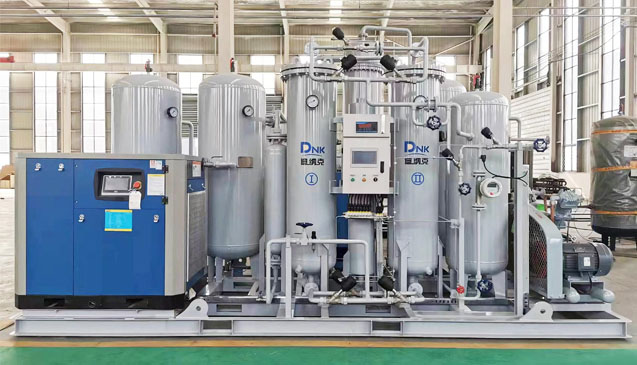
To keep steady work in rough spots, boosting the prep phase is a must. The DINAK PSA Nitrogen Generator includes strong filter setups. These pull out oil mists and bits well before air hits the absorption towers.
Adding top-notch dryers holds incoming air water steady, even in wet areas. For lasting strength, pick rust-proof stuff for all pipes and tank parts.
Fine-Tuning Adsorption Parameters
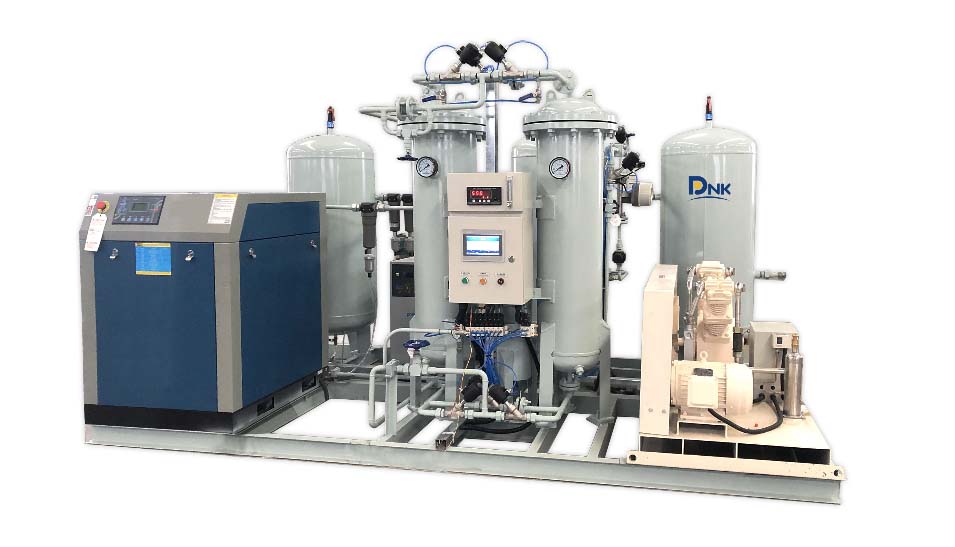
Adjustments also cover the exact handling of absorption settings. Changing pressure shifts based on live purity checks gives the best split results. It avoids pushing the absorber too hard. Operators can tweak absorption periods and set valves for right flow control. This way, they match recovery with output cleanliness better.
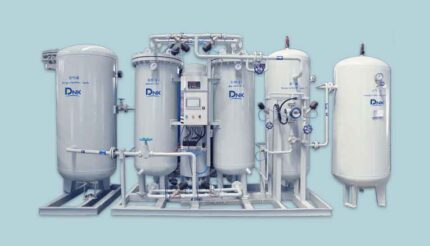
High efficiency PSA adsorption system ensures stable nitrogen output and low operating cost. This setup's bendiness lets DINAK units shift with different workloads. At the same time, they hold even nitrogen standards.
Enhancing Core Components Performance
Maintenance and Replacement Strategies
Steady upkeep has a big hand in keeping high cleanliness output going. Check carbon molecular sieves now and then to make sure their pull stays at peak. Swap out old valves or gaskets to stop leaks that might add dirt to the nitrogen path. Keep an eye on the compressor condition for firm feed pressure. That's a main point for smooth PSA running.
Implementing Smart Monitoring Systems
Today's DINAK digital control modules offer ongoing monitoring of gas cleanliness via built-in sensors and PLC-driven auto systems. Fully automated PLC control with status monitoring and an intelligent alarm system. Warnings for future fixes tell workers ahead of breakdowns. This cuts surprise stops a lot. Also, far-off watch features allow central handling of several sites. It's perfect for big operations that need matched control. Picture a network of five metal plants: remote tools spotted a pressure drop early, avoiding a full shutdown and saving days of lost production.
Matching System Load with Industrial Demand
Balancing Production Load and Nitrogen Output
Linking generator size to current making needs is key for power savings and steady cleanliness. Pushing a PSA unit too much shortens its cycle work and speeds up absorber breakdown. DINAK suggests setting run patterns to match real process pulls. Use holding tanks for high-use times to keep output pressure even.
This piece-by-piece style lets you grow the setup flexibly. It holds firm work and output.
Long-Term Stability Strategies
Lasting steadiness relies on planned fix-ups that fit making timelines. DINAK's check software lets you compare work patterns over months to spot off-trends soon. Training for workers counts just as much. It makes sure teams grasp the best ways to handle loads that keep purity on target, even with changing runs.
Dinak offers professional training programs for both beginners and experienced technicians. These customized sessions help clients maximize system lifespan while minimizing operational risks.
Conclusion
Ensuring consistent nitrogen purity in heavy industrial settings requires more than just equipment—it demands a strategic approach to system optimization, maintenance, and intelligent control. By upgrading pretreatment systems, fine-tuning adsorption parameters, and implementing proactive monitoring, DINAK PSA nitrogen generators deliver reliable, high-performance nitrogen even in the most challenging environments.
Ultimately, investing in optimized nitrogen generation not only improves product quality and operational safety but also reduces downtime and long-term costs. With DINAK’s advanced technology and industry expertise, manufacturers can confidently meet production demands while maintaining efficiency and stability.
Discover how DINAK industrial gas separation solutions can elevate your plant’s nitrogen purity and operational reliability today by contacting us.
FAQ
Q: What causes low nitrogen purity in DINAK PSA systems?
A: Low purity typically results from inadequate pretreatment or saturated carbon molecular sieves caused by excessive humidity or particulate contamination in feed air.
Q: How often should DINAK PSA nitrogen generators be maintained?
A: We recommend scheduled inspections every few months, depending on operational hours; replacement intervals vary based on environmental conditions.
Q: Can DINAK PSA systems operate reliably in high-humidity environments?
A: Yes. With upgraded dryers and filtration units integrated into our pretreatment modules, DINAK systems maintain stable performance even under humid climates.
Q: How does adjusting adsorption parameters improve gas quality?
A: By optimizing cycle timing and valve calibration through real-time monitoring, operators achieve higher separation efficiency—resulting in consistently pure nitrogen output.
-430x247.jpg)
内页小-430x246.jpg)