In modern energy-intensive industries, industrial gas supply is a critical factor affecting production continuity, operating costs, and long-term competitiveness. The "Build-versus-Buy Decision" regarding industrial gas supply is more than just a procurement choice; it is a critical strategic decision that directly influences long-term operating costs and production reliability. Relying on merchant gas—bulk liquid oxygen, nitrogen, or argon delivered via tankers—offers initial convenience but often exposes factories to volatile market prices and significant supply chain vulnerabilities. At DINAK, we are an experienced manufacturer specializing in cryogenic air separation technology and industrial gas systems. We specialize in the production and sales of complete sets of gas separation equipment, focusing on the development and optimization of gas processing, separation, and liquefaction technologies. We understand that as your production scales, the cost of industrial gas becomes a dominant factor in your operational efficiency. By transitioning from a merchant supply model to On-site Gas Generation through a DINAK Air Separation Unit (ASU), you can secure your supply chain while significantly reducing long-term expenditures. This guide provides a complete analysis of the true costs of merchant gas versus the strategic advantages of owning a customized DINAK industrial gas solution.
Hidden Costs of Relying on Merchant Gas
Volatility of Industrial Gas Price
The most significant risk of relying on merchant gas is the lack of price control. Industrial gas prices are subject to market fluctuations, fuel surcharges, and regional demand spikes. For industries like steel smelting or petrochemicals, where gas is a continuous process utility, a sudden price increase can erode profit margins overnight. When you buy gas by the ton, the delivered cost of merchant gases includes not only gas production costs but also liquefaction, storage, transportation, distribution, and supply management expenses.
Supply Chain Risks and Transportation Uncertainties
Merchant gas reliance means your production is only as stable as the local transportation network. Logistics delays, driver shortages, or extreme weather can disrupt your supply chain. These logistical "hidden costs" add up, creating a complex management burden for your procurement team.
Strategic Benefits of On-site Gas Generation
Achieving Significant Cost Savings
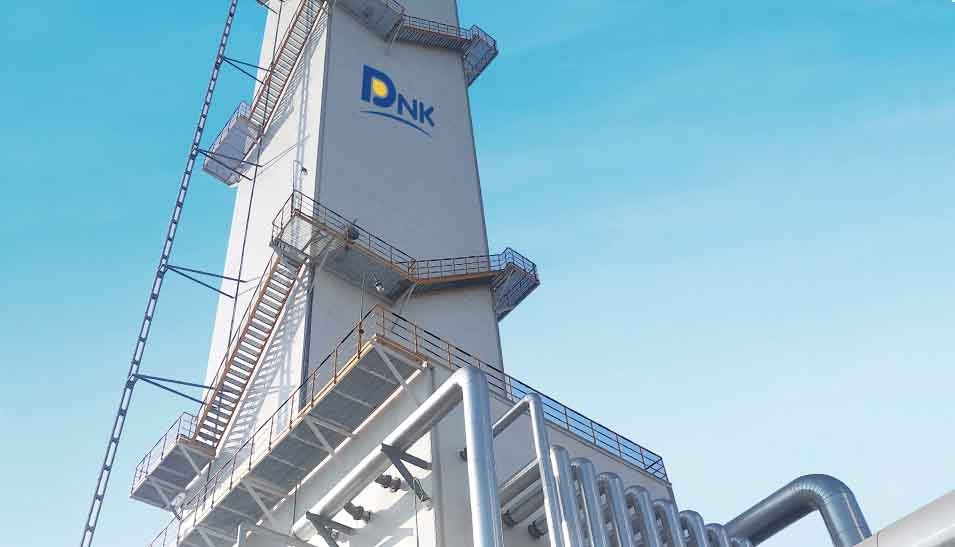
The primary economic driver for building an on-site Air Separation Unit is the reduction in unit cost. By producing gas directly at your facility, you eliminate the supplier margin and the high cost of cryogenic transportation. Our Gaseous ASU and Large-Scale ASU systems are designed for high efficiency, enabling lower unit gas production costs compared with externally supplied liquid gases under suitable operating conditions. For many industrial users, transitioning to on-site production can significantly reduce long-term gas procurement costs.
Enhancing Supply Reliability
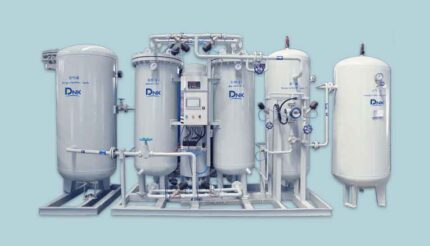
With a DINAK On-site Gas Generation system, you improve supply autonomy. Whether you require PSA nitrogen generation for localized nitrogen supply or a cryogenic ASU for large-scale oxygen, nitrogen, and argon production, it provides continuous industrial gas availability with appropriate backup and maintenance planning. Our systems feature a high degree of automation and Intelligent Control Systems (DCS or PLC), enabling stable operation and the ability to adjust loads according to your actual demand. This reliability ensures that your core manufacturing processes minimize production interruptions due to a supply interruption.
Financial Analysis of ASU Investment ROI
Calculating Payback Periods and ROI
While the initial capital investment for an Air Separation Unit is higher than a merchant contract, the Return on Investment (ROI) is often surprisingly fast. We help our clients conduct a detailed Industrial Gas Cost Analysis, factoring in energy costs, maintenance, and the elimination of liquid gas purchases. By owning the infrastructure, you turn an ongoing operational expense into a fixed asset that adds value to your facility.
Energy Efficiency and Total Ownership Cost
The specific energy consumption of an ASU is mainly influenced by the main air compressor, purification system, and cryogenic refrigeration process. We focus on "energy conservation and consumption reduction" by optimizing process flow designs.
DINAK Solutions for On-site Industrial Gas
Customized Large-Scale ASU for High-Volume Requirements
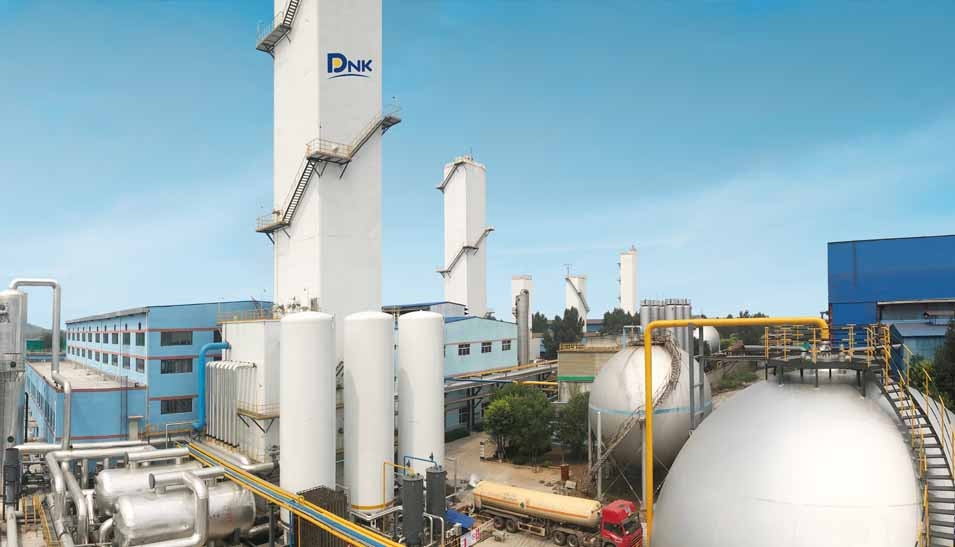
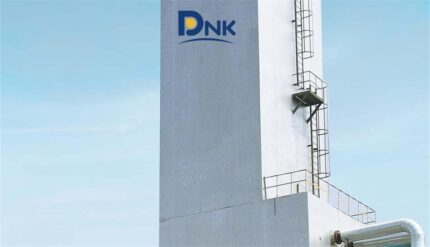
For heavy industries such as steel and chemicals, we provide a Large-Scale ASU tailored to specific working conditions. These units are highly integrated and employ advanced cryogenic air separation technology to produce high-purity oxygen, nitrogen, and argon simultaneously.
Modular Small scale ASU and Full Liquid ASU
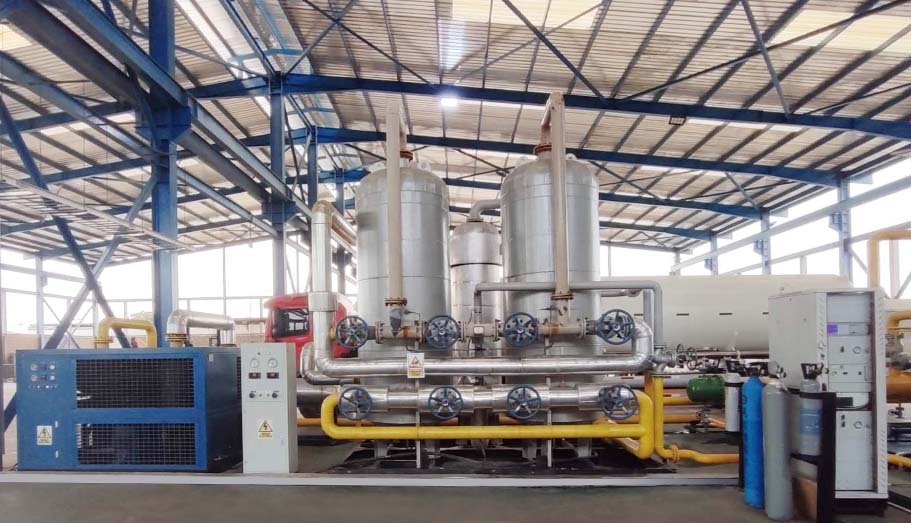
If your facility has limited space or requires faster deployment, our Small scale ASU offers a compact, skid-mounted design that is designed for simplified installation and flexible deployment. For gas companies or investors looking to serve multiple local clients, our Full Liquid ASU is the suitable solution. It is specifically designed to produce liquid products like liquid oxygen and liquid nitrogen, which can be stored in our Cryogenic Liquid Vacuum Storage Tank for flexible local distribution.
Real-World Case Studies in Gas Investment
Large-Scale Cryogenic ASU Project for Metallurgical Industry in Indonesia
In 2018, we successfully commissioned a large-scale KDONAr-42000/40000/1200 project in Indonesia for the metallurgical industry. This project utilized a double-layer structured packed distillation column and a liquid oxygen self-pressurization system. By providing a stable, high-volume supply of on-site oxygen and argon, we helped the client improve operating efficiency and reduced dependence on merchant gas supply.
High-Altitude Chemical Gas Solutions in Qinghai
Our expertise extends to the most challenging environments, such as our KDONAr-8200/8900/280 project in Qinghai Province. This high-altitude chemical gas solution was specifically optimized for low-pressure operating conditions. By utilizing advanced internal compression technology, we eliminated the need for traditional oxygen compressors, providing a safer and more energy-efficient supply for the client’s chemical processes.
Conclusion
Deciding whether to build an on-site Air Separation Unit or continue buying merchant gas is a pivotal moment for any growing industrial enterprise. While merchant gas offers a low barrier to entry, the long-term economic value, supply security, and operational control provided by a DINAK industrial gas solution may provide significant long-term advantages. With over 20 years of manufacturing experience, we are dedicated to helping our clients maximize their productivity through customized, energy-efficient, and highly automated gas separation technology. By investing in your own production infrastructure today, you are improving long-term operational stability and cost predictability.
Contact DINAK today for a customized Industrial Gas Cost Analysis and discover how our advanced Air Separation Unit technology can maximize your ROI.
FAQ
Q: How much does an air separation plant cost?
A: The cost of an air separation plant is determined by its capacity, the purity of the gases required, and the desired output pressure. We do not offer one-size-fits-all products; instead, we provide customized air separation solutions. Whether you need a Small scale ASU, a Full Liquid ASU, or a Large-Scale ASU, our team will design a system that fits your specific industrial requirements and budget.
Q: Should I build an oxygen plant or buy bulk liquid?
A: Choosing to build an on-site Oxygen Plant is typically the better choice if your facility requires a continuous, high-volume supply of oxygen, nitrogen, or argon. On-site production with a DINAK ASU provides 24/7 reliability and eliminates the risks associated with Industrial Gas Price fluctuations and supply chain delays.
Q: How to reduce industrial gas cost effectively?
A: The most effective way to reduce costs is to transition to On-site Gas Generation and implement energy-saving technologies. DINAK utilizes ultra-low pressure processes to minimize energy consumption and offers specialized equipment.
-430x247.jpg)
内页小-430x246.jpg)