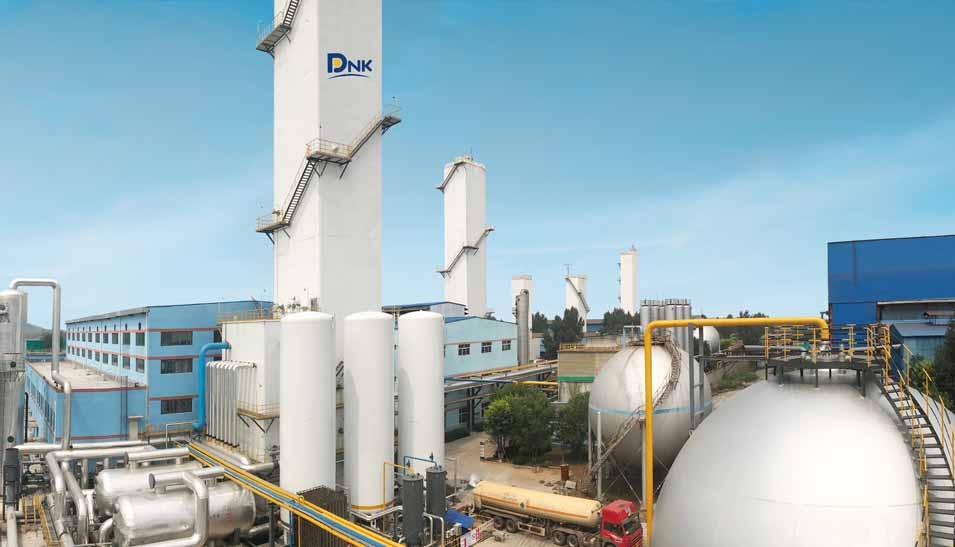
An Air Separation Unit (ASU) for glass manufacturing can provide oxygen for glass furnace combustion and nitrogen for applications such as purging, blanketing, sealing, inerting, and controlled-atmosphere applications. The appropriate DINAK solution depends on the plant’s oxygen and nitrogen demand, required product form, purity, delivery pressure, furnace operating schedule, utilities, and gas distribution interfaces. Therefore, ASU selection should be based on the glass plant’s actual gas demand profile, operating conditions, utility availability, and distribution requirements rather than on equipment capacity alone.
Why Do Glass Plants Use Air Separation Units?
Oxygen for Glass Furnace Combustion
Glass furnace oxygen demand depends on the furnace design, combustion system, glass composition, production rate, and operating conditions. Oxygen supply should therefore be evaluated as part of the furnace combustion and gas distribution system. Oxygen can be supplied to glass furnace combustion systems where oxygen enrichment or oxy-fuel operation is specified by the furnace design. The project specification should identify each oxygen-consuming system, delivery point, operating schedule, required purity, and delivery pressure.
Nitrogen for Process Protection
Nitrogen can be used for protective atmospheres, equipment purging, sealing, blanketing, and other inert-gas applications within a glass manufacturing facility. These applications can have different flow rates, pressure requirements, and operating patterns. Identifying each nitrogen consumer separately helps establish the required flow rate, pressure, purity, and operating profile for ASU sizing.
How Is Oxygen Used in Glass Manufacturing?
Furnace and Combustion Support
Where oxygen is used for glass furnace combustion, the project should define the furnace type, oxygen demand, delivery pressure, operating schedule, and combustion control requirements. The potential effects on fuel consumption, emissions, and furnace performance depend on the furnace design, combustion configuration, oxygen enrichment level, and operating conditions.
Process-Specific Gas Demand
Oxygen demand can vary with production schedules, product campaigns, furnace operating conditions, and changes in production rate. The demand profile should distinguish normal operating demand from startup, shutdown, maintenance, changeover, and other transient operating conditions.
Delivery and Quality Requirements
Oxygen purity, impurity limits, and delivery pressure should be specified at an agreed delivery or sampling point. Pipeline routing, pressure regulation, isolation, and the downstream receiving system can affect gas delivery performance at the point of use. Clearly defined measurement points, control boundaries, and responsibilities help the furnace and ASU teams work from the same design basis.
What Are the Main Nitrogen Applications in Glass Manufacturing?
Protective Atmospheres
Nitrogen may be used to establish or maintain controlled atmospheres around glass-processing equipment where oxygen exclusion or inerting is required. The specification should define the equipment, operating conditions, nitrogen purity, flow rate, pressure, and control responsibility.
Purging and Process Changes
Nitrogen can be used for equipment purging, controlled isolation, startup, shutdown, and other process transitions where inert-gas protection is required. Purging requirements depend on equipment volume, connection layout, purge flow rate, purge duration, and the required residual oxygen concentration before the next operation. Interfaces, isolation points, gas purity verification, and operating responsibilities should be agreed before routine operation.
Sealing and Blanketing
Selected glass-processing equipment may use nitrogen for sealing or blanketing. Nitrogen demand may be continuous, intermittent, or associated with specific operating events, and multiple consumers may operate simultaneously. Critical consumers, simultaneous demand, and operating schedules should therefore be included in the demand profile used for industrial gas system planning.
What Should a Glass Manufacturing Plant Define Before Selecting an ASU?
Product Type and Form
First determine whether the plant requires gaseous oxygen and nitrogen, liquid products such as liquid oxygen (LOX) and liquid nitrogen (LIN), or a combination of gaseous and liquid products. Where argon is required, its production requirements should also be included in the product balance. Product form affects the ASU configuration, storage requirements, delivery system, and gas distribution infrastructure. Secondary products should be distinguished from the oxygen and nitrogen streams required for critical furnace and process applications.
Furnace Demand and Schedule
Document normal use, simultaneous users, product campaigns, planned shutdowns, and restart conditions. These inputs describe how the glass plant actually operates and help avoid selecting equipment from a single theoretical maximum.
Quality and Delivery Pressure
Define gas purity, impurity specifications, and delivery pressure at the process interface, together with the applicable measurement points and acceptance criteria. Requirements from another glass plant should not be assumed to apply directly to a new site, because furnace design, production rate, utilities, and operating conditions may differ.
Utilities and Site Conditions
Power, cooling arrangements, climate, altitude, access, installation conditions, pipeline routing, and downstream interfaces influence ASU planning. Reviewing these factors with operations and engineering personnel helps align the selected system with the glass plant’s actual site conditions.
Which DINAK ASU Type Fits Glass Manufacturing?
Gaseous ASU for Oxygen and Nitrogen Supply
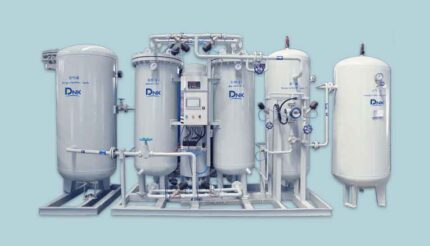
DINAK’s Gaseous ASU category is relevant when a glass plant mainly needs gaseous oxygen and nitrogen. The final design basis should define oxygen and nitrogen demand, product purity, delivery pressure, pipeline interfaces, utilities, and operating priorities before the ASU configuration is selected.
Large-Scale ASU for High-Capacity Plants
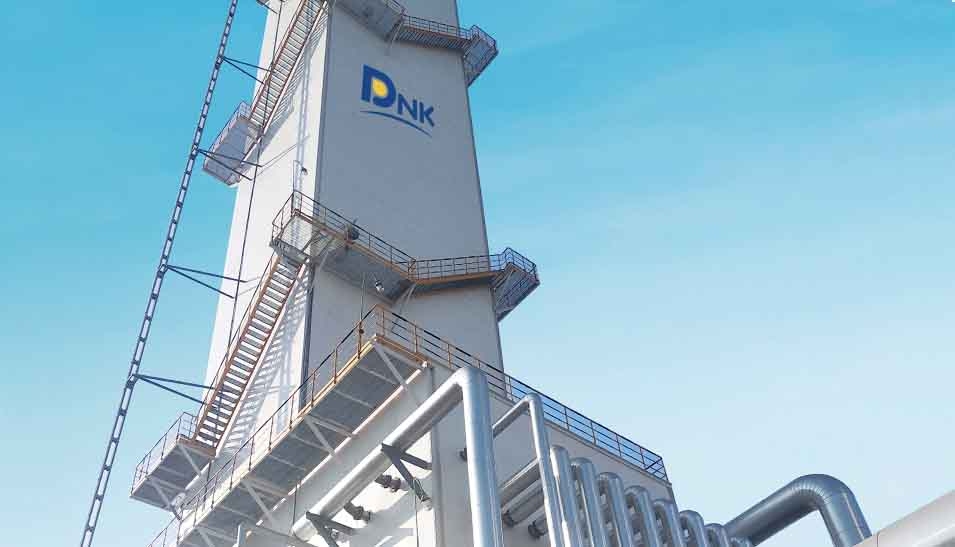
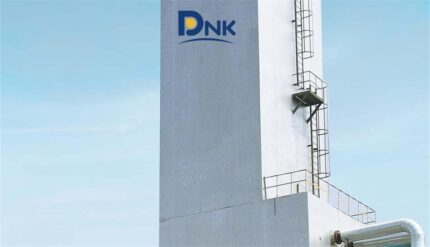
DINAK’s Large-Scale ASU category is intended for applications with substantial industrial gas demand. Selection should be based on the required oxygen and nitrogen product balance, connected consumers, operating conditions, utilities, and site interfaces.
Full-Liquid and Small-Scale Options
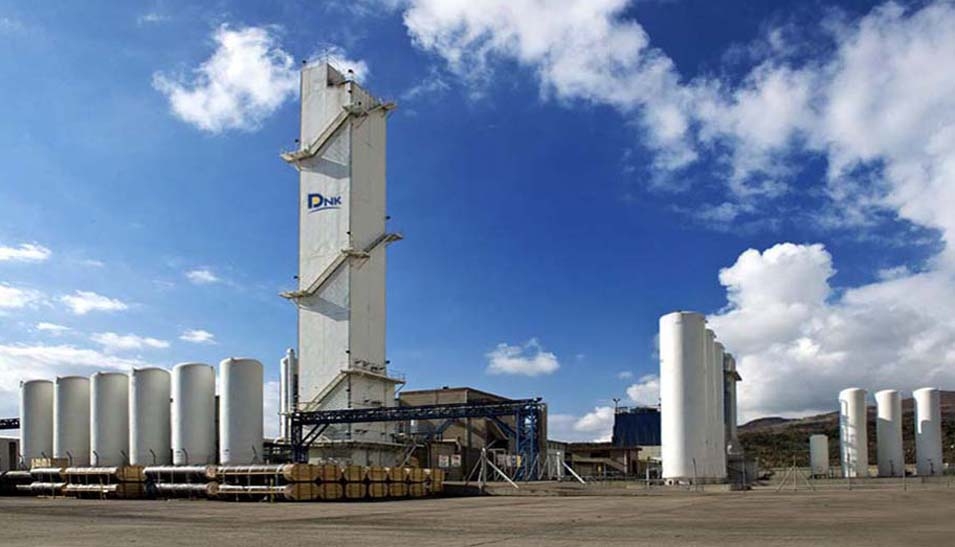
DINAK’s Full Liquid ASU is designed primarily for liquid oxygen and liquid nitrogen production, while its Small Scale ASU provides a compact cryogenic configuration for smaller-scale industrial gas requirements. The choice depends on product form, demand, quality, utilities, access, and operating responsibilities. It should not be confused with small storage vessels or cylinders.
How Is an ASU Integrated With a Glass Manufacturing Plant?
Furnace Interface
Define the interface between the ASU gas supply system and the furnace or combustion system, including battery limits, delivery pressure, flow measurement, purity monitoring, control signals, isolation, and operational responsibilities.
Pipeline Routing and Isolation
Branch pipelines, isolation valves, pressure regulation, and downstream system readiness affect gas delivery to individual points of use. Review these items with site operations and safety teams.
Coordination With Plant Operations
Furnace schedules, maintenance periods, utilities, and downstream readiness all influence gas planning. Operators should understand which users have priority and who controls each interface.
Conclusion
An Air Separation Unit for glass manufacturing should be selected based on the actual furnace duty, oxygen and nitrogen demand, product form, purity, delivery pressure, utilities, plant layout, and operating schedule. DINAK’s ASU categories and engineering services can support the development of a project-specific oxygen and nitrogen supply system based on the plant’s process, capacity, utility, and site requirements. Contact DINAK to discuss an ASU solution for your glass plant’s oxygen and nitrogen requirements.
FAQ
Q: Why do glass plants use nitrogen?
A: Nitrogen can support controlled atmospheres, purging, sealing, blanketing, equipment protection, and process transitions. The exact application depends on the equipment and plant procedure. Nitrogen purity, delivery pressure, demand profile, isolation points, and operating responsibilities should be defined for each nitrogen consumer.
Q: Which DINAK ASU type is suitable for a glass factory?
A: Gaseous ASU can be considered when a plant requires gaseous oxygen and nitrogen, while a Full Liquid ASU is designed primarily for liquid oxygen and liquid nitrogen production. Small Scale and Large-Scale ASU configurations address different capacity and site requirements. Final selection should follow documented glass-plant conditions.
Q: What purity and pressure should oxygen and nitrogen have in a glass plant?
A: Required purity and delivery pressure depend on the specific furnace, process equipment, and gas application. Oxygen used for furnace combustion and nitrogen used for inerting or purging may have different specifications. Purity, impurity limits, flow rate, and delivery pressure should therefore be defined at the relevant point of use.
-430x247.jpg)
内页小-430x246.jpg)