Copper smelting is a demanding, continuous industrial process where a reliable supply of oxygen and nitrogen can play an important role in maintaining stable operations. An Air Separation Unit (ASU) can provide oxygen for oxygen enrichment, flash smelting, converting and selected furnace applications, while nitrogen can support inerting, purging, blanketing and equipment protection. However, selecting the right ASU is not simply a matter of choosing a capacity range. Oxygen flow, purity, delivery pressure, load profile, product form, utilities and the overall copper-smelting process must be considered together. This guide explains the key gas requirements and ASU selection factors that copper producers should evaluate when planning an on-site industrial gas system.
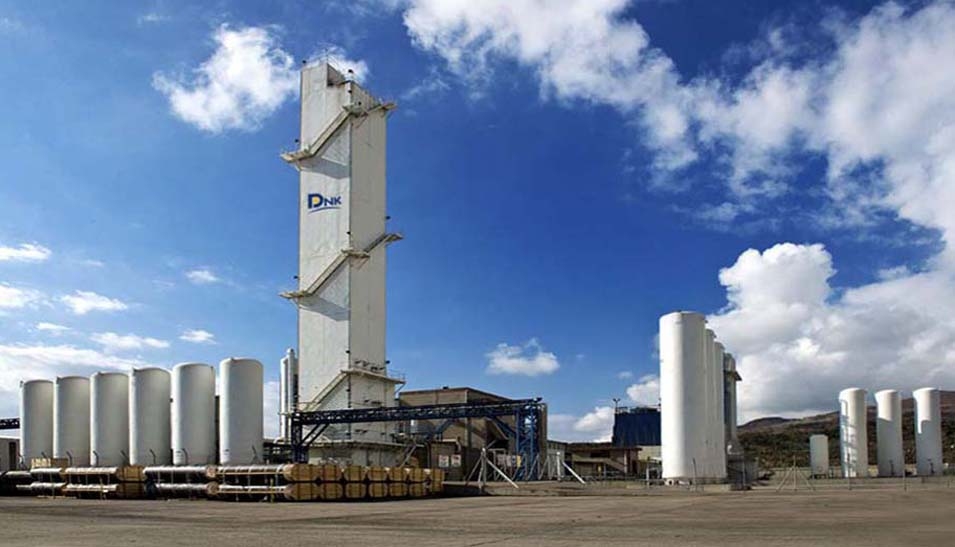
Why Do Copper Plants Use Air Separation Units?
Oxygen Enrichment for Copper Smelting and Converting
Oxygen from an ASU can be used for oxygen enrichment in copper smelting furnaces, converting, anode furnace operation, oxy-fuel combustion, and other process applications where the approved metallurgical process requires controlled oxygen injection. Each oxygen user should be evaluated by flow rate, purity, delivery pressure, operating profile and battery-limit conditions.
Nitrogen for Process Protection
Nitrogen is commonly used to establish an inert atmosphere for equipment purging, inerting, blanketing and sealing, and to maintain positive pressure where required to prevent air ingress. Each gas user should be specified separately according to its required flow, purity, pressure and operating profile.
Oxygen Enrichment for Copper Smelting Furnaces
Smelting-Furnace Duties
For oxygen-enriched smelting, the ASU design should consider the required oxygen flow, enrichment level, delivery pressure, furnace operating mode and process-control strategy.
Oxygen for Converting and Anode Furnace Operations
Oxygen may be considered for suitable connected refining or process-support duties where the approved plant design requires it. The project basis should identify quality, pressure, demand pattern, and controls for each user.
Product Delivery Conditions
Oxygen purity, flow rate and delivery pressure should be specified at the agreed battery limit, together with the measurement point and acceptance criteria. Routing, isolation, pressure control, and the receiving system can affect the product delivered to the process. Clear measurement responsibility keeps the ASU and plant teams aligned.
What Nitrogen Applications Matter in Copper Processing?
Inerting Process Equipment
Nitrogen may establish a controlled atmosphere around suitable smelting or refining equipment. The specification should state the equipment, operating condition, quality, pressure, and control responsibility so supply is tied to an actual metallurgical duty.
Purging During Process Changes
Nitrogen can support preparation, isolation, maintenance, and approved process transitions. Requirements depend on equipment, connection layout, and the condition required before the next operation. Interfaces and quality confirmation should be agreed before routine use.
Sealing and Blanketing
Nitrogen can be used for sealing and blanketing systems to maintain a controlled inert atmosphere and positive pressure, reducing the risk of air ingress during operation or shutdown. Demand can be continuous or event-driven, and several users may operate together. Priority users and schedules should be recorded during industrial gas planning.
Does Copper Metallurgy Require Argon?
Process-Specific Argon Demand
Argon should be included only when the documented metallurgical process requires it. The project should identify the user, product form, quality expectation, pressure, and operating schedule instead of adding argon as a universal requirement.
Product Balance Planning
When oxygen, nitrogen, and argon are required together, each product should be considered in the same operating basis. Defining essential and secondary products gives DINAK a clearer basis for assessing the product route.
Gaseous and Liquid Product Forms
The required product form affects the ASU category and distribution plan. Gaseous oxygen and nitrogen serve a different operating concept from liquid products intended for industrial distribution. Selection should follow the copper plant’s documented route.
What Should a Copper Plant Define Before Selecting an ASU?
Product Type and Form
Identify whether the main requirement is gaseous oxygen and nitrogen or liquid oxygen, nitrogen, and argon. Product form affects delivery, distribution, and operating responsibilities. Secondary products should be separated from essential smelting gases.
Smelter Demand and Operating Schedule
Copper plants may combine continuous oxygen demand from a smelting furnace with variable or batch demand from converters and other metallurgical units. The ASU and downstream oxygen network should therefore be evaluated against the normal, peak and minimum load profile, including turndown requirements, rather than a simple average demand.
Gas Purity, Impurity Specification and Delivery Pressure
Define oxygen and nitrogen purity, specified impurities, moisture/dew point, flow rate and delivery pressure at the copper-plant battery limit. Values copied from another smelter may not reflect the new furnace, piping, or equipment.
Utilities and Site Conditions
Power, cooling, climate, altitude, access, installation conditions, pipeline routing, and downstream interfaces influence ASU planning. Review these factors with operations and engineering personnel before finalizing the system.
Which DINAK ASU Configuration Is Suitable for Copper Smelting?
DINAK Gaseous ASU for Non-Cryogenic Gas Production
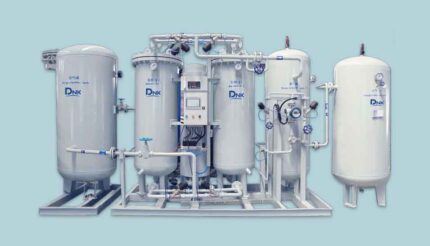
DINAK’s Gaseous ASU is a non-cryogenic gas separation solution for applications requiring gaseous oxygen and/or nitrogen. For large copper smelters requiring high-volume oxygen, nitrogen and potentially argon, a cryogenic large-scale ASU may be more appropriate depending on the required capacity, purity, pressure and product balance.
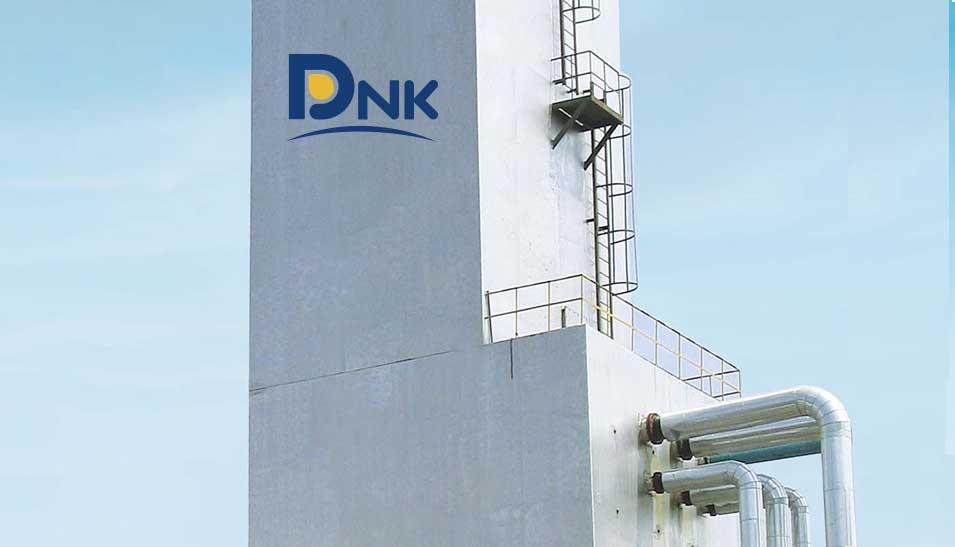
DINAK Large-Scale Cryogenic ASU for Copper Smelting
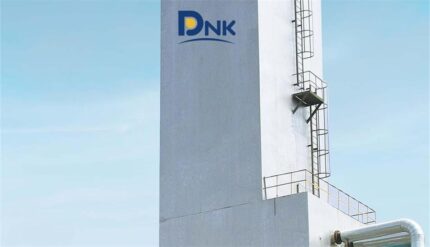
DINAK’s Large-Scale ASU is designed for high-volume industrial gas production and can be configured to produce oxygen, nitrogen and argon. The system uses molecular sieve purification and turbo-expansion refrigeration, with an argon separation section available for applications requiring argon production. This configuration can be evaluated for large non-ferrous metallurgy projects where continuous gas demand and multiple product streams must be balanced.
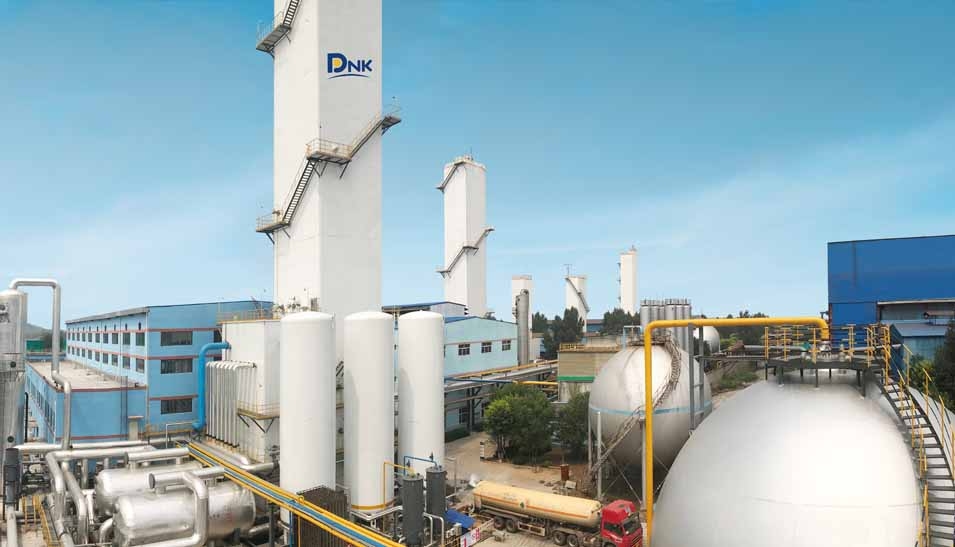
Full-Liquid and Small-Scale Options
DINAK’s Full Liquid ASU is primarily designed for liquid oxygen and liquid nitrogen production, with argon production available in selected configurations. It is more suitable where liquid industrial gases are required for storage, distribution or merchant-gas applications rather than where the copper smelter primarily requires continuous pipeline gas. DINAK Small-Scale ASU uses cryogenic air separation technology to produce high-purity oxygen and nitrogen. Its skid-mounted configuration is intended for lower-capacity on-site gas production and can be considered for smaller non-ferrous metallurgy applications where the required gas flow, purity and pressure fall within the unit’s design range.
How Should the ASU Connect With a Copper Plant?
Furnace and Refining Interfaces
Define boundaries between the ASU, smelting furnace, refining units, utilities, and receiving users. Include delivery points, instruments, quality checks, communications, and release responsibility. Clear ownership helps the plant coordinate gas supply with production.
Pipeline Routing and Isolation
Oxygen distribution design should consider pipeline routing, isolation valves, pressure control, oxygen-compatible materials, cleaning requirements, venting, pressure relief and emergency isolation. Review these items with site operations and safety teams so the gas network follows approved procedures.
Coordination With Plant Operations
Production campaigns, maintenance periods, utilities, and downstream readiness influence gas planning. Operators should know which users have priority and who controls each interface. This establishes clear operational responsibility between the ASU and the copper plant.
How Does DINAK Support Copper-Smelting ASU Projects?
Engineering and Project Management
DINAK provides engineering and project-management services for industrial gas projects, supporting process requirements, equipment configuration, documentation and site interfaces. These activities can connect gas requirements with equipment selection, documentation, site interfaces, and the planned project sequence. The copper producer remains responsible for process authority and operating rules.
Construction and Assembly
Construction and assembly coordination supports the transition from design to an installed plant. Responsibilities for access, connections, completion status, and handover should be clear before products are introduced to process users.
Staff Training
DINAK’s service scope includes staff training. Training can connect operating documents with product routes, routine checks, furnace interfaces, and communication responsibilities.
Conclusion
The appropriate ASU configuration for a copper smelter depends on oxygen and nitrogen flow, purity, delivery pressure, product form, load profile, utilities and the required product balance. Large-scale cryogenic ASUs can be evaluated for high-volume GOX/GAN and argon production, while non-cryogenic gaseous ASUs and smaller cryogenic systems may suit different capacity and pressure requirements. Explore DINAK’s industrial air separation solutions for your copper-smelting gas requirements.
FAQ
Q: What is an Air Separation Unit used for in copper smelting?
A: It can supply oxygen for suitable smelting or refining duties and nitrogen for inerting, purging, sealing, blanketing, or equipment protection. The product form, quality, pressure, and schedule depend on the copper plant’s process route, equipment, and operating procedures.
Q: How can oxygen support copper-smelting operations?
A: Oxygen may support a documented smelting, refining, combustion, or process-support duty. The plant should define the user, delivery point, quality, pressure, schedule, and controls. Claims about copper recovery, fuel savings, emissions, or furnace performance should not be assumed without project-specific evidence.
Q: Why do copper plants use nitrogen?
A: Nitrogen can support controlled atmospheres, purging, sealing, blanketing, equipment protection, and approved process transitions. The application depends on the equipment and metallurgical procedure. Quality, pressure, demand pattern, isolation points, and operating responsibility should be defined for each user and operating state.
-430x247.jpg)
内页小-430x246.jpg)