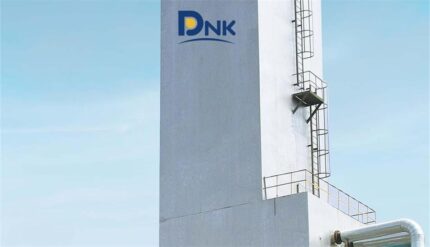
Air separation equipment, particularly cryogenic air separation units (ASUs), separates atmospheric air into oxygen, nitrogen, and, where required, argon for industrial gas production. ASUs are widely used in metallurgy, chemical processing, petrochemicals, glass manufacturing, and other industries that require reliable supplies of high-purity industrial gases. The right ASU supports stable production by matching product form, gas quality, delivery condition, demand pattern, utilities, and site layout. DINAK focuses on industrial air separation solutions that connect these engineering inputs with practical plant operation.

Why Air Separation Equipment Matters
Industrial gas supply affects more than the utility area of a plant. Oxygen is used for oxygen enrichment, oxygen injection, combustion enhancement, oxidation, refining, and other process applications where increased oxygen concentration is required. A cryogenic air separation unit separates and purifies atmospheric air through a sequence of compression, purification, refrigeration, and cryogenic distillation processes, producing industrial gases at specified flow rates, purities, and delivery pressures.
For industrial users, the key question is not only what gas is needed. The plant also needs to define how the gas is delivered, where it is measured, how demand changes during operation, and which downstream users depend on the supply. DINAK selection should begin with those real process conditions.
Oxygen For Metallurgy And Combustion
Oxygen is commonly used in steel, non-ferrous metallurgy, glass, and selected chemical processes where a stronger oxidizing gas or oxygen-enriched operation is part of the approved process design. In metallurgical plants, oxygen is primarily used for steelmaking, refining, oxygen enrichment, and furnace-related processes. In glass production, it may support furnace processes when the plant design calls for oxygen-enriched operation.
The oxygen supply basis should identify the receiving process, gas form, delivery interface, operating schedule, and safety responsibilities. Copying a specification from another site can create mismatches because furnace behavior, metallurgical practice, and chemical process routes differ from plant to plant.
Nitrogen For Protection And Control
Nitrogen is widely used to establish and maintain inert atmospheres for purging, blanketing, pressurization, sealing, and oxygen displacement in industrial processes. Chemical and petrochemical plants may use nitrogen for inerting, purging, blanketing, sealing, and material protection. Electronic materials, heat treatment, photovoltaic materials, and lithium battery materials may also require nitrogen where process protection is important.
A useful nitrogen plan defines normal demand, peak demand, simultaneous users, delivery point, and quality acceptance. These details help determine whether a gaseous ASU, small-scale ASU, or large-scale ASU is the better route for the industrial site.
Argon For Specialized Atmospheres
Argon is used where a highly inert atmosphere is required, including specialized metallurgical processes, welding, and other applications involving oxygen-sensitive materials or high-temperature processing. Its role is usually evaluated alongside oxygen and nitrogen because ASU product balance is one system. If argon is important to the plant, it should be defined early in the project basis rather than treated as a late addition.
DINAK ASU Options For Industrial Plants
DINAK offers several ASU configurations, which can be evaluated according to production scale, product form, gas demand, and site requirements. The best choice depends on the main product form, gas demand profile, installation environment, operating schedule, and downstream use. The following categories help narrow the decision without forcing every plant into the same configuration.
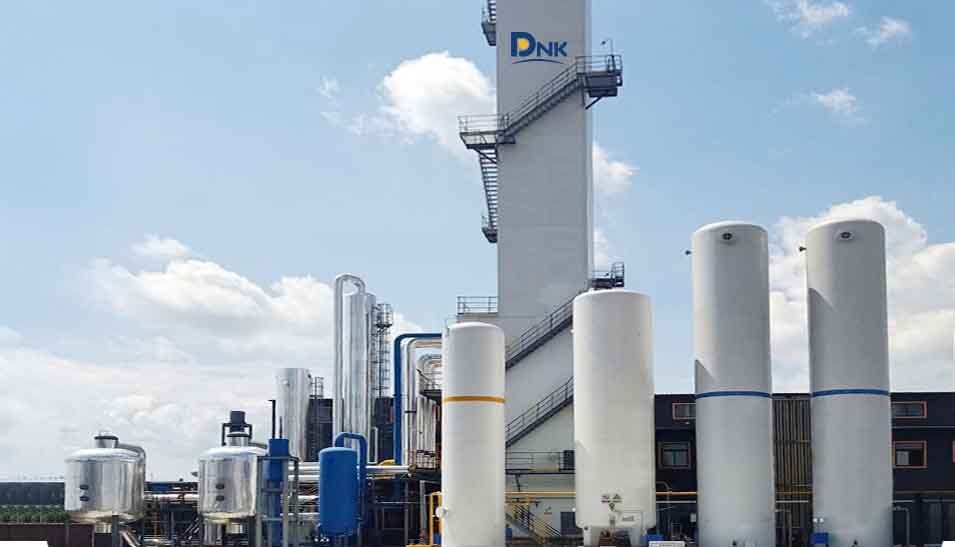
Gaseous ASU For Connected Users
A Gaseous ASU is typically considered for plants that require on-site production of gaseous oxygen and nitrogen for direct pipeline supply to process users. Key design parameters include product flow rate, purity, delivery pressure, operating hours, and load profile. This category suits industrial sites where the gas route, receiving conditions, quality requirements, and operating rhythm can be described clearly. It is often considered for continuous production environments where gas supply must follow plant operation.
The planning focus should include pipeline interfaces, simultaneous users, operating states, control expectations, and the responsibility boundary between the ASU and receiving process. These points make the gaseous system easier to evaluate as part of the whole industrial facility.
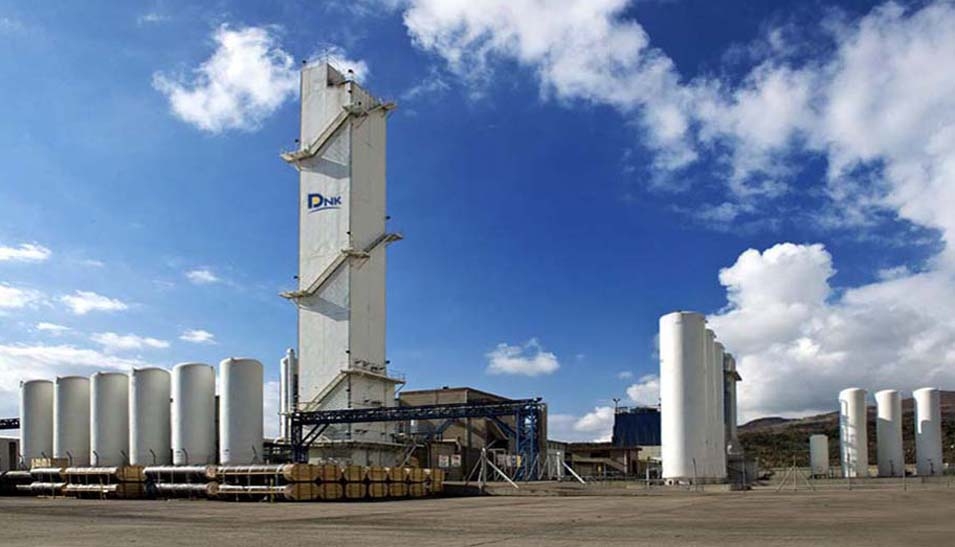
Large-Scale ASU For High-Capacity Plants
A Large-Scale ASU is typically evaluated for high-volume, continuous industrial gas demand, particularly when oxygen, nitrogen, or argon production must be integrated into the plant-wide utility and process-gas network. Steel, non-ferrous metallurgy, chemical processing, petrochemical operations, building materials, and glass production may all require a centralized high-capacity gas source when production depends on continuous industrial gas supply.
Large ASU planning should include utilities, cooling conditions, installation access, product mix, pipeline routing, controls, and downstream process priorities. The strongest project basis comes from aligning the ASU with the plant’s operating profile instead of selecting equipment only by size.
Small-Scale ASU For Compact Supply
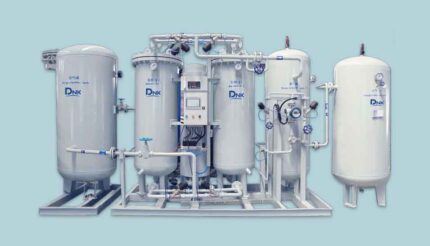
A Small-scale ASU may be considered for plants with relatively moderate oxygen and nitrogen demand where on-site generation is preferred. Compact or skid-mounted configurations can also be advantageous when installation space and site integration requirements are important design constraints.
Full-Liquid ASU For Liquid Products
A Full Liquid ASU is designed primarily for the production of liquid oxygen (LOX) and liquid nitrogen (LIN), with liquid argon (LAR) production available when required by the process configuration and product demand. This category is relevant when liquid product output is central to the industrial gas plan rather than a secondary consideration.
Full-liquid planning should connect liquid product demand with product balance, transfer interfaces, utilities, and operating schedule. For industrial gas companies or multi-user production sites, the decision should consider how liquid products fit the broader supply strategy.
How To Choose The Right ASU
Choosing air separation equipment requires a practical review of both process and site conditions. A plant should define required gases, product form, demand pattern, quality expectations, delivery route, utilities, and operating responsibilities before narrowing the ASU category. This reduces the risk of over-specifying one factor while overlooking another.
Product Form And Demand Pattern
Product form is often the first decision. A connected industrial process may need gaseous oxygen or nitrogen, while another project may require liquid products for distribution or multiple users. Demand should be evaluated across normal load, peak load, minimum load, start-up, shutdown, turndown conditions, and potential future capacity expansion.
Quality And Delivery Conditions
Product specifications should be defined by the downstream process, including required purity, allowable impurities, moisture content, and delivery pressure, rather than by applying unnecessarily high generic specifications. Oxygen, nitrogen, and argon may each have different acceptance points and responsibilities. Delivery conditions should also be defined with the receiving equipment, pipeline route, and operating procedures in mind.
Utilities And Site Interfaces
A technically suitable ASU still needs to fit the site. Key site interfaces include electrical power, cooling water or air-cooling conditions, ambient temperature, instrument air, drainage, foundations, equipment access, and product pipeline routing. Early coordination helps the air separation equipment become part of a predictable industrial gas system.
Industrial Application Scenarios
Steel and non-ferrous metallurgy often focus on oxygen demand, nitrogen protection, and product continuity. Chemical and petrochemical plants may need oxygen for approved process duties and nitrogen for inerting, purging, blanketing, and equipment protection. Glass, paper, electronic materials, and new energy materials may each have different gas priorities tied to product quality and process stability.
DINAK can be naturally evaluated when these industrial requirements need to be connected with an ASU category and a project-specific engineering basis. The practical value is not a universal performance promise, but a clearer match between gas production, site conditions, and the process that depends on the supply.
Conclusion
Selecting an ASU is ultimately an engineering decision based on gas demand, product purity, product form, operating profile, utilities, and site conditions. By matching these parameters with the appropriate ASU configuration, industrial users can establish a more reliable and scalable on-site gas production system. The best ASU choice depends on the process, product form, demand pattern, delivery conditions, utilities, and site layout. DINAK supports industrial users by aligning ASU categories with practical production needs and project-specific engineering priorities.
For project-specific ASU selection, provide your required gas products, flow rates, purities, delivery pressures, operating hours, and site conditions so DINAK can evaluate a suitable air separation configuration.
FAQ
Q: What is air separation equipment used for in industry?
A: Air separation equipment produces oxygen, nitrogen, and sometimes argon for industrial processes. Oxygen may support combustion or process duties, nitrogen may support inerting and protection, and argon may support specialized atmospheres. The suitable ASU depends on product form, demand pattern, delivery conditions, and site interfaces.
Q: Which DINAK ASU type is suitable for continuous gas supply?
A: A gaseous ASU is often suitable when an industrial plant needs continuous gaseous oxygen or nitrogen for connected process users. A large-scale ASU may be evaluated when demand becomes part of plant infrastructure. Final selection should follow actual gas demand, quality, delivery route, utilities, and operating schedule.
Q: When should a plant consider a full-liquid ASU?
A: A plant should consider a full-liquid ASU when liquid oxygen, liquid nitrogen, or liquid argon is central to the industrial gas plan. This may apply to industrial gas supply strategies or multi-user production sites. The decision should consider product balance, transfer interfaces, utilities, and demand pattern.
Q: What should be clarified before selecting an ASU?
A: Clarify the required gases, product form, demand profile, quality expectations, delivery conditions, operating schedule, utilities, layout, access, pipeline interfaces, and handover responsibilities. These inputs help DINAK evaluate the right ASU category without relying on unsupported assumptions or generic equipment sizing.
-430x247.jpg)
内页小-430x246.jpg)