In today’s metallurgy industry, which is highly competitive, the presence of argon gas in its pure form is important to guarantee the production of quality steel. The steel industry is seeking for improved alloys and more efficient production processes. This makes the provision of argon gas an integral part of their operations plan. We at DINAK, with two decades in gas handling, separation, and cooling tech, know that industrial gases are essential to large-scale steel manufacturing processes. Using proven cryogenic methods, we deliver complete setups that keep steelmakers in full control of their industrial argon gas supply and purity control.
The Growing Need for Argon in Steelmaking
Essential Role in Metal Refining Processes
Argon stands out in steel work for its steady nature and lack of reaction. It plays a main part in mixing and ladle treatments, like Argon Oxygen Decarburization (AOD) and Ladle Furnace (LF) steps. When added to hot metal, it pulls out trapped gases such as hydrogen and nitrogen. It also clears solid bits, leading to purer, stronger steel. Beyond that, argon gas is used in the steel industry to cover ongoing casting and slicing. There, it stops oxygen from touching the cooling metal stream.
Rising Demand for High-Purity Argon Gas
Newer steel types, like stainless and premium mixes, call for high-purity argon gas with tiny traces of oxygen and nitrogen. Small contaminants can create flaws on surfaces or cut down the strength of the end item. So, steel plants now look for a reliable argon gas supply that hits tight purity marks.
Addressing Unreliable Industrial Argon Gas Supply
Risks of Argon Shortages in Large Mills
Lots of steel sites depend on outside bulk argon gas supply. This opens them to delivery snags and price swings. A quick lack of industrial gas supply can stop whole lines, hitting budgets hard. For major steel jobs, sticking to vendor argon gas for steel industry builds weak spots in the chain.
Benefits of an On-Site Argon Production Plant
To cut these dangers, smart producers move to on-site argon production plant setups. With our units in place, plants take charge of their argon gas production. They get a nonstop stream tuned to furnace needs. This local method skips transportation costs and offers a steady, green industrial gas supply for years.
Argon Production via Cryogenic Air Separation Plant
Principles of Deep Cryogenic Distillation Processes
A solid cryogenic air separation plant forms the base of a dependable supply. It works by splitting air gases at their varied freeze points. First, air gets pressed, cleaned, and chilled to very cold levels until it turns liquid. Since argon has a boiling point close to oxygen, dedicated argon rectification systems are required during cryogenic air separation.
Producing Crude and High-Purity Argon
Our fractionation tower system handles several refinement rounds. It starts with a basic argon pull, then polishes it to meet industry needs. Our argon purification systems are designed to improve product purity, operational safety, and energy efficiency. This beats old ways in safety and power use. Thus, the argon gas supply stays even in amount and grade.
DINAK Designs for Maximum Argon Stability
Innovative Distillation Systems for Large Projects
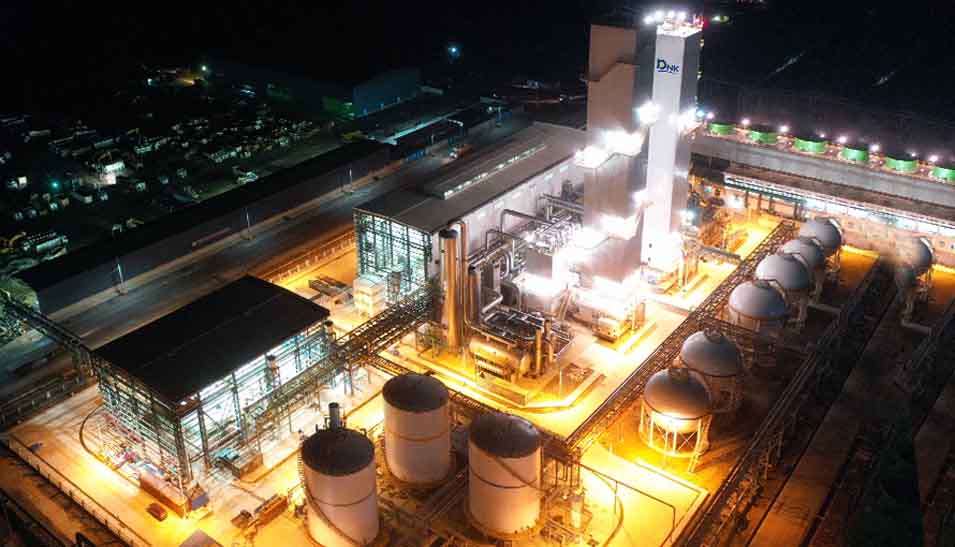
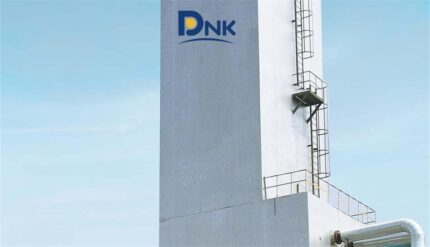
Big steel complexes with heavy loads turn to our Large-Scale ASU. These tie together well and act as core setups. We adjust them to fit site conditions and power draws. Features include molecular sieve prep and strong turbine cooling for better output and steadiness. Our Gaseous ASU adds choices for gas delivery, with low-pressure steps to hold down running expenses.
Flexible Solutions for Diverse Applications
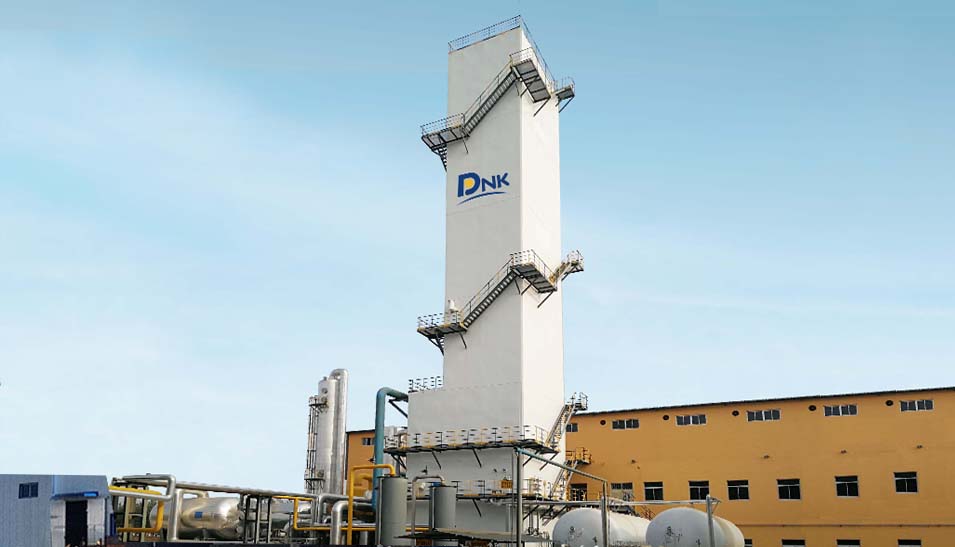
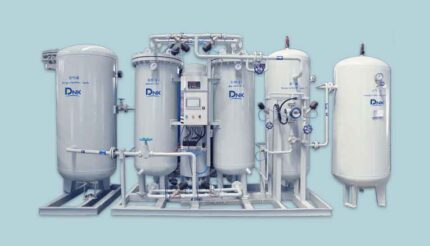
Not all spots need huge gear. Our Full Liquid ASU is designed for the production of liquid industrial gases, including liquid argon, liquid oxygen, and liquid nitrogen. Our small-scale ASU brings a small, ready-to-mount build for tight areas. From the small-scale ASU to the top Large-Scale ASU, we use fine materials for long runs and sure performance.
Integrated Solutions for Large-Scale Steel Projects
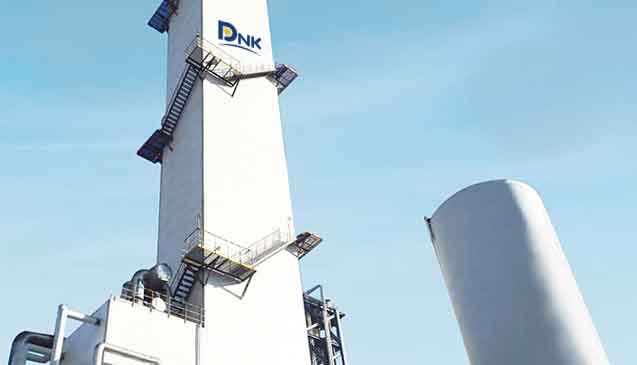
Comprehensive Gaseous and Liquid ASU Systems
We deliver end-to-end packages, covering build of Gaseous ASU and Full Liquid ASU. Our experts shape the setup—gas-only or blended with liquid argon supply—to match your metal work.
Tailored Engineering and After-Sales Support
Our support goes past sales to full life handling. This covers planning, oversight, setup, and worker prep. Maintenance pacts lower risks with set checks and early fixes. Remote checks give round-the-clock help, keeping your argon gas supply flowing and the plant at full speed.
Conclusion
A steady supply of quality argon gas is now essential in today’s steel production.In all processes starting from the refining of steel until its alloy manufacture, high-quality argon gas is necessary to determine the quality of the resulting steel and efficiency of the manufacturing process.
One way of ensuring the reduction of risks, guaranteeing increased levels of purity, and sustainable productivity is by making use of premium-quality cryogenic air separation equipment and on-site argon gas production units. DINAK provides tailored solutions for your steel production plant based on your specific requirements.
Do you want to ensure more reliable availability of industrial argon gas?
Contact DINAK today to discuss your project requirements with our engineering team.
FAQ
Q: Why do steel plants need high-purity argon gas?
A: High-purity argon gas helps steel plants maintain stable refining conditions and reduce oxygen and nitrogen contamination. This is especially important for stainless steel, alloy steel, and other high-grade steel products that require strict quality control.
Q: How is argon produced in an air separation plant?
A: Argon is produced through cryogenic air separation technology. In an air separation plant, atmospheric air is compressed, cooled, and separated into oxygen, nitrogen, and argon based on their different boiling points. Additional rectification systems are used to improve argon purity.
Q: What is the difference between liquid argon and gaseous argon?
A: Liquid argon is stored and transported at cryogenic temperatures for bulk industrial supply, while gaseous argon is typically used directly in manufacturing processes. Liquid argon offers easier large-volume storage and transportation for industrial applications.
-430x247.jpg)
内页小-430x246.jpg)