Depending on outside providers for factory gases—like canned or shipped liquid oxygen and nitrogen—brings major hurdles in daily work. Using bottled gas leads to higher costs per unit. These stem from packing, shipping, and fees for renting containers. Plus, keeping track of stock adds handling troubles and chances of running short.
Liquid gas shipments bring extra issues for companies. They need to set up cryogenic tanks. These involve either lease payments or big upfront spending. Shipments depend on road traffic and provider timetables. So, delays in supply can harm ongoing production. Another worry is having little say in gas standards. Plants usually can't tweak pressure or cleanliness to fit exact job needs.
Why Consider a Small-Scale ASU
For plants with steady but not huge needs for gases, particularly those wanting steady quality and dependable flow, a small-scale ASU offers a strategic advantage. On-site gas production reduces reliance on external suppliers, ensuring stable costs and uninterrupted access. Their compact build and small space use mean lower startup spending. With smart setup and built-in pressure handling, these units run on less power and need less upkeep. That leads to real savings over time. So, the small-scale ASU works well in practice and pays off in the long run for steady use.
Understanding Small-Scale ASU Technology
What Is a Small-Scale ASU
A small-scale air separation unit (ASU) is a tidy, ready-to-assemble setup built for producing factory gases such as oxygen and nitrogen on location. Small-scale air separation units are neat factory gas makers that rely on deep cryogenic distillation technology. They pull apart regular air at normal temperatures. In turn, they steadily deliver clean oxygen and nitrogen without stops. This suits jobs that run around the clock and don't want to depend on outside suppliers.
Core Components and Operation Principles
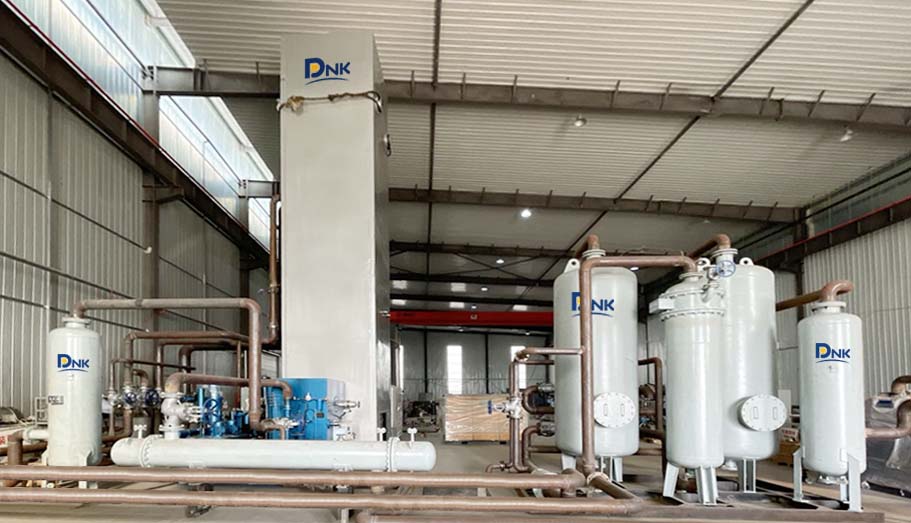
At DINAK, a standard small-scale ASU has an air compressor, pre-cooling unit, purification system, turbo expander, fractionation tower, and a liquid oxygen pump. All these link via well-planned pipes. The integrated pressure regulation system eliminates the need for a traditional oxygen compressor, enhancing safety and efficiency. As a result, the whole setup feels safer and runs smoother. Based on what the job calls for, these can handle both oxygen and nitrogen via cryogenic methods. The full skid-mounted build, along with high-pressure hose links, makes setup simple. These traits cut down fieldwork time and hassle a lot.
Key Application Scenarios for DINAK Small-Scale ASU
Manufacturing and Metal Processing Plants
In metal jobs like making steel or cutting with lasers, steady, high-purity nitrogen access matters a great deal. It helps in oxygen-boosted burning and shields gases during steel melting or other metal work. It also acts as a helper gas in laser cuts. An on-site DINAK ASU keeps the flow going without gaps, matching the plant's work rhythm.
Food and Beverage Facilities
Items in food that react with oxygen gain much from nitrogen covers and changed air packaging (MAP). The food and drink sector stands as a main area where DINAK’s small-scale ASU fit well. They aid in keeping things fresh, adding fizz, or storing safely.
Wastewater Treatment Facilities
In eco-friendly tasks, oxygen boosts air-based bio-treatment steps. It works as a base gas for chemical breakdowns or an air supply in cleaning water waste. Producing oxygen on-site holds steady amounts in holding tanks. This avoids the hassle of timing gas hauls.
Economic Feasibility Analysis
Bottled Gas Supply Costs
Gases in bottles bring repeated expenses beyond the gas price. These include container leases, moving fees, and often swapping due to small holds per unit.
Liquid Gas Delivery Costs
Though good for larger amounts, liquid gas hauling needs a heavy starting outlay for cryogenic tanks. Running costs shift with haul extras and changing market rates.
On-Site Generation with DINAK Small Scale ASU
The small build and space needs lead to modest first costs. Through clever process layout and inner pressure flow, the gear uses little power and calls for basic care. After the starting spend is met, day-to-day outlays drop sharply. This turns it into the practical pick for places with even use.
Operational Benefits of On-Site Generation
Enhanced Control Over Supply Parameters
Workers can change gas cleanliness and force as required. This gives plenty of room to adjust. So, they match gas traits to exact task demands without sticking to outside specs.
Improved Safety and Compliance Management
Skipping high-force bottles or large cryogenic liquid hauls lowers the chances of dangerous spills or contact risks. This change also eases the handling of safety rules for factories.
Environmental Impact Reduction
Stopping regular gas hauls cuts down on road-based pollution. Further, with smart process plans and low power use in running the gear, it helps meet green targets for businesses.
Integration Considerations for Your Facility
Site Requirements for Installation
Most DINAK small-scale ASU take up only 10–20 square meters, based on the size setup. They need a reliable electric supply and good air flow for cooling parts.
Maintenance Access and Workflow Integration
The high-pressure hose link style allows easy reach for routine checks. DINAK supplies full help, from plan drawings to worker classes, to blend systems with little upset.
Scalability and System Flexibility
Modular Design Options from DINAK
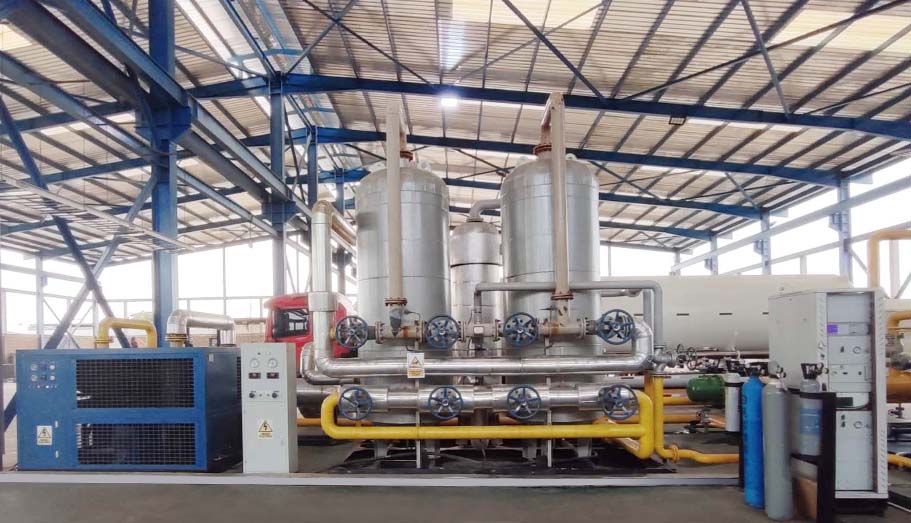
Neat build and straightforward setup: The skid-mounted full frame cuts fieldwork and time sharply. If needs grow later, sites can bolt on extra parts instead of swapping everything. This keeps past spending safe.
Making the Right Choice for Your Facility
If your plant has regular but fair demand for factory gases such as nitrogen or oxygen, contact us and choose DINAK small-scale ASU can shift how you run things. You take charge of quality traits while dropping ongoing haul bills. Above all, it locks in steady production. Your work won't halt if vehicles miss a drop. With setups made to fit your site's ways, this goes beyond saving cash. It's a lasting plan for standing on your own and running.
FAQ
Q: How much space does a DINAK Small Scale ASU require?
A: Most units are compact enough to fit within 10–20 square meters, depending on model size. A site inspection is recommended to confirm layout feasibility.
Q: What kind of support does DINAK provide after equipment installation?
A: DINAK offers comprehensive services, including engineering design, staff training, remote diagnostics, spare parts management, and maintenance agreements to ensure stable operation throughout the equipment lifecycle.
Q: Can I scale up if my factory’s gas demand increases?
A: Yes. DINAK’s modular design allows future expansion by adding capacity modules without replacing the entire system.
-430x247.jpg)
内页小-430x246.jpg)