The Heartbeat of Industry
Think of the human heart. It beats without stopping to keep life going. In the same way, oxygen acts as the key element that keeps many factories running smoothly. This is true even during holidays such as Valentine’s Day. When daily life slows down for celebrations, industrial work cannot afford to stop. A steady oxygen supply works like an unseen but strong force. It supports the strength of operations in tough times.
Traditional oxygen supply methods, such as using pressurized gas cylinders or liquid oxygen, present logistical challenges and risks that can disrupt continuous production. Delays in shipping, not enough workers, and holiday planning issues can break the flow. This brings up a key concern. How do factories keep oxygen coming without a hitch, even when festivities cause pauses?
Why Reliable Oxygen Supply Matters
Oxygen plays a basic role in the main factory areas. Steel mills, chemical production setups, glass works, and plants for non-ferrous metals all need exact and ongoing oxygen streams. If that stream stops, even for a short time, processes might halt or go wrong. Machines could get harmed. Money losses build up fast.
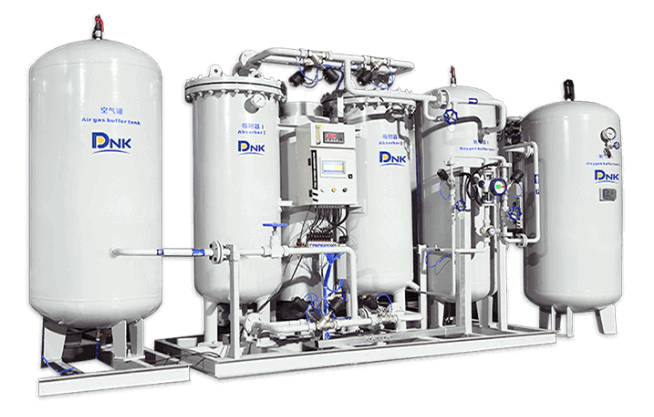
DINAK provides a solid answer with its on-site oxygen production methods. These cut down on dependence on outside sellers. They also remove dangers from uneven delivery times. Pressure Swing Adsorption (PSA) and Cryogenic Air Separation technologies provide consistent oxygen supply by extracting oxygen from ambient air. PSA systems are ideal for medium-scale operations needing rapid deployment, while cryogenic systems are better suited for high-demand applications requiring ultra-high purity and stable oxygen volumes.
The Critical Role of Oxygen in Industry
Oxygen in Metallurgy and Smelting
In metal work, especially steel production and refining non-ferrous metals, pure oxygen is a must for burning and oxidizing. These steps require controlled combustion, which demands consistent and precise oxygen delivery to ensure optimal reaction conditions and product quality.
Take smelting as an example. Affordable on-site oxygen changes how it works. It raises output and lowers expenses. Smelters gain from making oxygen right there with DINAK’s PSA Oxygen Generator. They get clean output without the ups and downs of outside supplies.
Oxygen in Chemical Processing
Chemical making often uses a set of oxidation steps. Changes in oxygen cleanliness or speed can hurt results badly. They might even cause dangers to safety. Keeping things steady matters for more than just output. It ties directly to safe work.
On-site setups like DINAK’s VPSA Oxygen Plant focus on firmness. They deliver strong results that fit the tough needs of chemical workspaces. These plants pull oxygen straight from the air around us. As a result, they skip problems from outside bottling and shipping.
Continuous Operation Demands
Factory sites seldom take breaks. Keeping work going without a stop is vital. A break from the gas supply can start chain reactions of failures. Downtime costs add up quickly, often reaching thousands per hour in large plants. DINAK’s tools are made to support non-stop schedules. They make sure high-risk tasks go on without hitches, no matter what the date shows on the calendar.
Challenges with Traditional Oxygen Supply Models
Logistical Vulnerabilities
Systems for delivering bottled or liquid oxygen rely a lot on moving goods. Bad weather, busy roads, or few drivers can hold up loads. These problems grow worse around holidays. Old setups often need big networks for transport and storage. This makes them hard to adjust when surprises hit.
Supply Chain Disruptions
Worldwide chains for goods have grown weaker. Issues like world politics, busy ports, or uneven sellers can block quick buys. Those buys often cost extra too. Moving to DINAK’s on-site making tools, such as the Large-Scale ASU, lets factories handle their own oxygen needs. This cuts out risks from global chain changes.
Operational Risks During Holidays
Fewer workers on public days make it tough to fix things or handle urgent issues. Planned drops might not match how much is used. Shortages become more likely. DINAK’s auto setups and far-off check features help keep watch with little hands-on work. This means no stops even if staff are away from the site.
DINAK's On-Site Oxygen Solutions
PSA Technology Overview
Pressure Swing Adsorption, or PSA, is a tested way to pull oxygen from regular air. It uses special sieves that grab nitrogen. What’s left is a constant flow of oxygen. Purity can reach 90%-96%. This works for many factory uses.
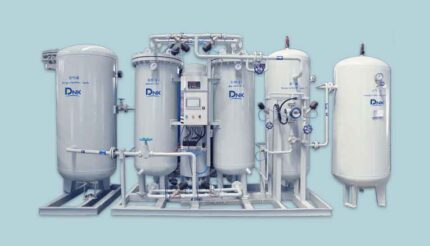
The PSA Oxygen Generator includes an air compressor, a unit to clean the air, a holding tank, the main body, and a smart control setup. Its parts fit together easily. This lets it join current workflows without much trouble.
Advantages of PSA Systems
- Compact design fits into tight areas.
- Rapid start-up times cut down on wait periods.
- Energy efficiency brings down running expenses versus liquid gas choices.
- Modular configuration allows growth as your site expands.
These points make DINAK’s PSA tools a good pick for mid-sized businesses. They offer bend without losing steadiness.
Cryogenic Air Separation Technology
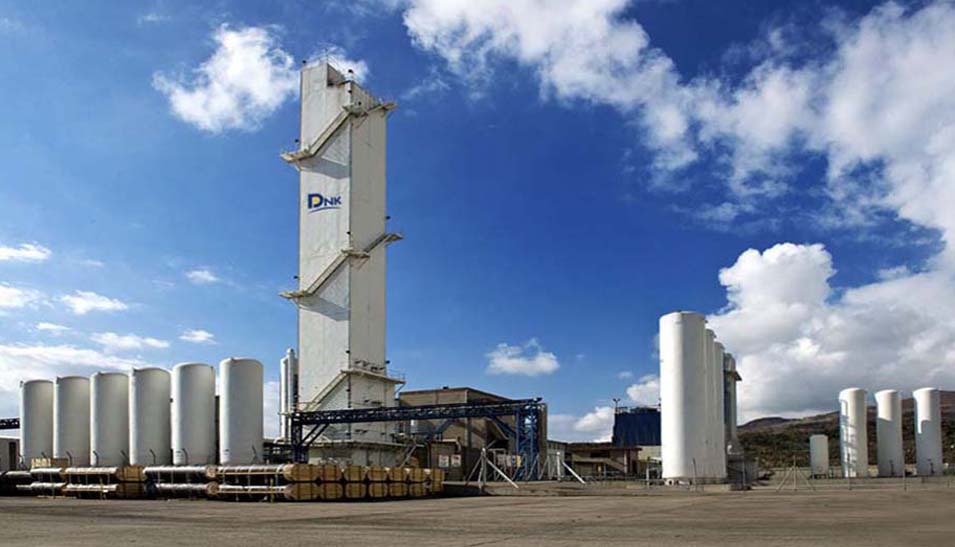
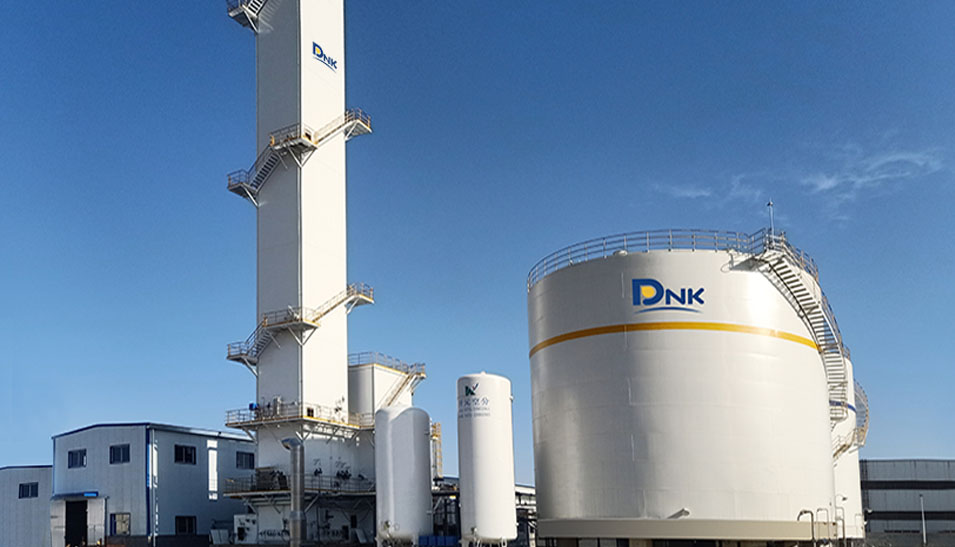
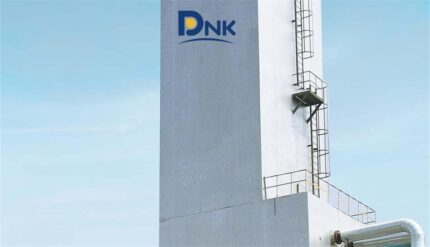
For spots that need very clean oxygen in large amounts, cryogenic separation is still the top choice. The process cools the air until it turns to liquid. Then, it splits into parts using distillation columns. DINAK provides Full Liquid ASU and Small Scale ASU based on your size needs.
Benefits of Cryogenic Systems
- Best for places with heavy use.
- Make liquid or gas oxygen that is very pure.
- Large-scale savings lower the price per unit over time.
- Extra backups keep output firm during busy times.
DINAK’s cryogenic tools are built for hard daily work in fields like oil, chemicals, and large metal sites.
Ensuring Uninterrupted Operation During Holidays
Holiday Production Continuity with DINAK Plants
Making oxygen right at the site means factories avoid set delivery times that holidays might mess up. The ability to maintain a steady oxygen supply is critical during high-demand periods, such as major holidays, when supply chain disruptions are more likely. DINAK setups use auto controls for full-day work with little direct help. They keep your lines moving well, even with fewer people on shift during breaks.
Reliability Built Into Every System
DINAK gear is set for around-the-clock use. It has far-off checks and fault-finding. Operators spot odd signs early. This lowers the chances of sudden stops in key moments. Far-off watching also cuts the need for on-site staff during holidays. This helps global sites across time zones or different event dates.
Conclusion
DINAK gives factory sites a strong “industrial heart.” This is a tough, ongoing source of clean oxygen. It keeps key tasks alive even in hard times like Valentine’s Day. Switching from weak old chains to self-made on-site output fixes work troubles. It also changes how we think about keeping production steady. To learn more about how DINAK's on-site oxygen generation systems can enhance your factory’s efficiency and reliability, contact us today for a consultation.
FAQ
Q: What industries benefit most from DINAK's oxygen systems?
A: Industries such as steel manufacturing, chemical processing, glass production, and non-ferrous metal smelting rely heavily on stable oxygen supplies and greatly benefit from DINAK's solutions, like the PSA Oxygen Generator and Large-Scale ASU.
Q: What is the difference between PSA and cryogenic systems?
A: PSA systems are ideal for medium-scale operations needing fast deployment, while cryogenic systems are suited for large-scale facilities requiring ultra-high purity and stable volume output.
Q: Can DINAK systems be integrated into existing production lines?
A: Yes, both PSA and cryogenic systems by DINAK are modular and customizable for seamless integration into diverse industrial setups.
Q: How does using a DINAK plant reduce long-term costs?
A: On-site generation eliminates recurring transport fees, reduces downtime risk due to delivery issues, lowers procurement costs through energy-efficient design, and minimizes operational disruptions during holidays.
-430x247.jpg)
内页小-430x246.jpg)