In the highly demanding field of industrial gas production, reliable storage setups keep your operations running smoothly. At DINAK, we know that equipment breakdowns cause big problems. They lead to costly stops and safety risks. With more than 20 years in manufacturing, we focus on gas processing, separation, and liquefaction methods. These help factories boost their position in global markets.
If you run a large-scale ASU or a focused plant, your Liquid Nitrogen (LN2) Storage setup matters a lot. As your trusted partner, we supply robust hardware alongside expert technical guidance and comprehensive after-sales support, including preventative maintenance and troubleshooting services. This support aids productivity and keeps equipment working well over its full life.
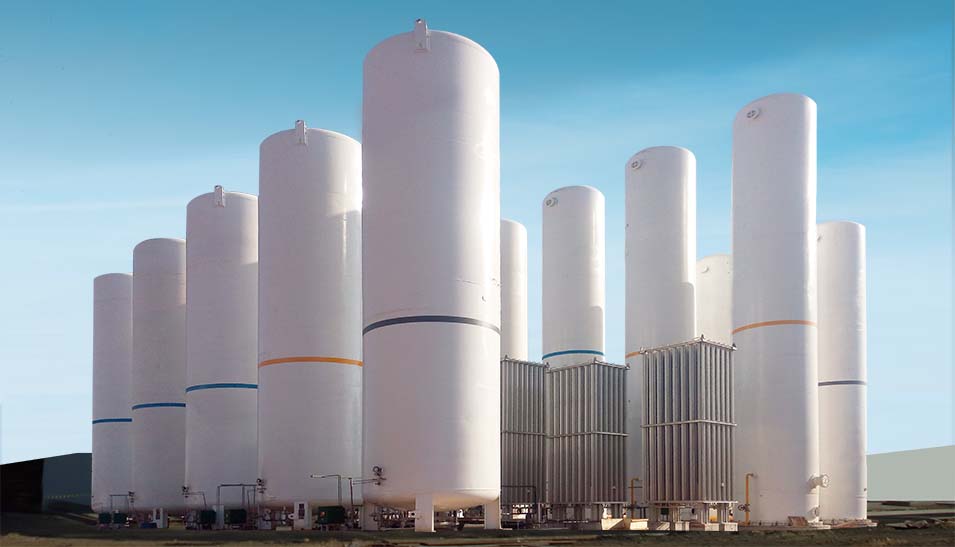
Key Pillars of Liquid Nitrogen Storage Safety
Fundamental Principles of Cryogenic Containment
Storing LN2 calls for careful temperature control to keep the liquid very cold. Our systems use vacuum insulation technology and multi-layered thermal insulation systems to minimize heat transfer. Thus, we create a steady space for these cold liquids. As a result, the LN2 supply remains stable, ensuring purity and consistent flow for critical industrial applications, including metal fabrication, chemical processing, and cryogenics.
DINAK Design Standards for Inner and Outer Tanks
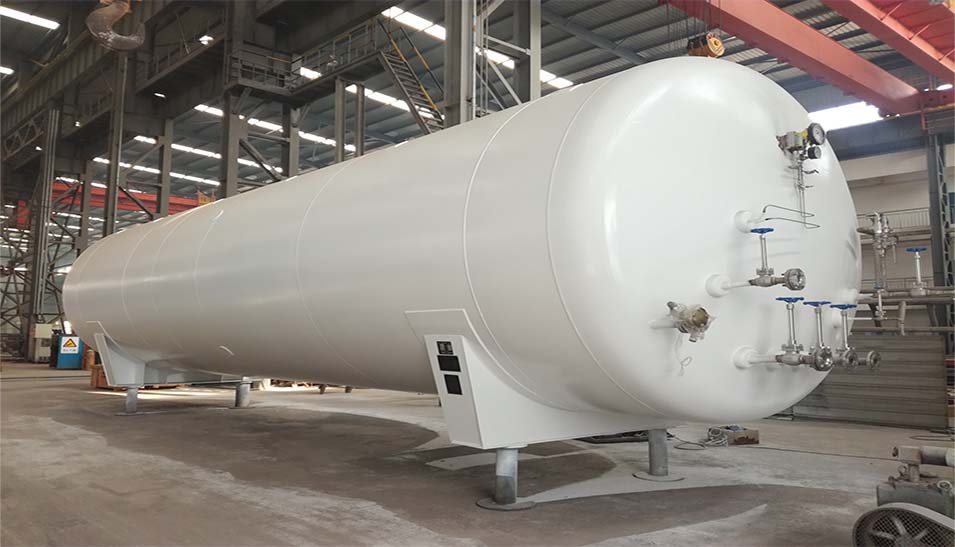
Every Cryogenic Liquid Vacuum Storage Tank from DINAK has a sturdy two-wall build. The inner tank holds the cold liquid safely. Meanwhile, the outer tank acts as a vacuum shield. This setup works well for steady, long-term use with low power needs. It keeps the tank's strength intact, even in rough factory settings.
Importance of Safety Accessories and Pipeline Systems
Safety tops our design list. Our storage units include detailed pipeline setups and key safety parts. These control pressure and flow rates. They team up to stop too much pressure buildup. In turn, this allows safe movement and use of the liquid in your plant's setup.
Daily Operational Protocols for Industrial Efficiency
Pre-Use Inspection and Pressure Monitoring
Regular checks form the main guard against risks in daily work. Before key tasks, workers at the site must look closely at the Cryogenic Liquid Vacuum Storage Tank and its valves. They should watch pressure dials and vacuum readings. This confirms the gear stays in its safe range. So, small problems do not grow into big ones.
Safe Filling Procedures to Prevent Over-Pressurization
The right filling steps matter for the good health of your industrial storage system management. Our gear supports safe filling, yet it needs firm rules to avoid sudden cold shocks or pressure jumps. We stress slow filling and close watch on level gauges. This keeps the tank from overflowing, which safeguards both the gear and the staff.
Standardized Valve Operation for Consistent Liquid Supply
Your liquid flow's accuracy relies on proper valve handling. DINAK gives clear steps for valve use. These ensure valves open and close in the right order. That way, the flow stays steady and avoids pipe shocks. Such reliability supports tasks from metal work to chemical processing.
Mastering Vacuum Tank Maintenance and Longevity
Detecting Early Signs of Vacuum Degradation
Vacuum issues often cause poor performance in cold storage. Early clues include ice accumulation on the outer wall and unexplained pressure increases, which are indicators of potential vacuum degradation, often due to failure in the multi-layer insulation or a breach in the vacuum seal. With DINAK maintenance service, we guide clients to spot these signals soon. This stops the steep costs of full vacuum breakdown.
Proactive Rehab Prevents Catastrophic Downtime
We push for active care of gear health. Instead of waiting for breaks, early fixes like re-vacuuming or new seals can stretch your Cryogenic Liquid Vacuum Storage Tank's life. This cuts dangers and keeps your gas flow steady without interruptions.
The Science of Inter-layer Insulation Integrity
In a DINAK storage tank, the gap between the inner and outer walls holds a high vacuum plus several layers of warm insulation wraps. Keeping this vacuum demands exact skills. Our crew makes sure these parts stay strong. They form the heat block needed to hold LN2, LO2, or LAr for long times.
The DINAK Maintenance Service Advantage
Customized Long-Term Maintenance Agreements
We build strong ties via our service plans. Project leads tailor these to fit your exact needs. They lower risks on investments and steady your costs. Plans include routine checks and surprise fixes. This lets you stick to your main work.
Remote Monitoring and Faster Equipment Diagnosis
Data drives better work in today's tech world. DINAK supplies Remote Monitoring & Diagnostics for live tracking of your gear's state. Our experts then spot problems more quickly. Often, they fix them without site trips. This boosts your plant's output.
Comprehensive Technical Training for Site Operators
Trained workers are key to the safe handling of tricky machines. We run training sessions at our base for new and skilled techs. These tailored parts mix theory with hands-on practice. So, your team manages safe operation and upkeep with skill.
Strategic Spare Parts Management for Industrial Systems
Rapid Identification via Computerized Management Systems
Quick part swaps matter when something fails. Our Spare Parts Management group uses smart software. It pinpoints the right pieces for your ASU Components or tanks fast. You get the exact match without waiting.
The Value of Quality-Approved Original DINAK Parts
Cheap parts can harm safety and affect the work in your industrial storage system management. We offer checked original spares that fit your gear's specs. This keeps every fix at top shape.
Minimizing Unplanned Repairs through Material Agreements
Our Material Agreement aids upkeep by sending the right spares based on run time. Planning this way gives set prices and fast slots. It cuts surprise fixes and lost work time a lot.
Conclusion
At DINAK, we understand that reliable equipment is the backbone of your industrial gas operations. A safe and well-maintained LN2 storage system is more than just a functional asset—it's an integral part of your plant's productivity and safety. With our expertise in cryogenic storage tank design, proactive maintenance services, and cutting-edge technologies like remote monitoring and diagnostics, we help ensure that your LN2 storage operates efficiently over its entire lifespan. Whether you need regular maintenance, technical training for your team, or a customized service plan to minimize downtime, DINAK is your trusted partner in ensuring operational success.
Let us help you optimize your LN2 storage systems today. Contact our engineering team now for a tailored maintenance plan or a quote on our advanced storage solutions. Secure your plant's future with DINAK, where reliability meets innovation.
FAQ
Q: What are the main causes of vacuum failure in LN2 tanks?
A: Vacuum wear often comes from old seals, hits to the outer tank, or gas leaks from insulation over time. DINAK spots these shifts early with remote tools. This catches changes before full insulation fails.
Q: How often should a cryogenic storage system undergo professional maintenance?
A: Daily looks are a must, but pro upkeep fits your gear's run hours. A DINAK service plan sets a custom timeline and spare planning. It cuts risks and keeps your plant smooth.
Q: Can remote monitoring really reduce the operating costs of my gas plant?
A: Yes, by a good margin. Remote checks and fixes spot troubles fast. Many times, they skip pricey site calls. This lifts output and keeps your Large-Scale ASU or tanks running well.
-430x247.jpg)
内页小-430x246.jpg)