The Cost Dynamics of Cryogenic Oxygen Production
A cryogenic oxygen plant's financial performance rests on three basic elements: product purity, recovery yield, and unit energy consumption. High-purity oxygen plays a key role in some fields. Still, chasing extra-high purity for everything can drive up expenses without cause. Operators find better profits by weighing purity against energy consumption. They do this while keeping product quality solid. DINAK holds 20+ years of manufacturing experience. We have spent that time building and refining gas processing, separation, and liquefaction technologies. Over these years, we've seen achieved noticeable OPEX reductions, through targeted optimization, based on feedback from over 50 installations worldwide.
Why Purity Alone Isn’t the Goal
A widespread mistake is thinking that oxygen purity above 99.6% must be the norm. In fact, the main task is matching purity to how smoothly the plant operates. Greater purities demand more intense separation. This increases the reflux ratio and reboiler duty. Consequently, the overall product flow decreases. Such intense separation uses extra power and cuts oxygen yield. As a result, the price rises for each cubic meter of oxygen created. Our Gaseous ASU systems include built-in options for smooth operation. Users can tweak output purity to match their current needs. This feature means buyers only produce the required oxygen purity, avoiding unnecessary energy consumption.
Purity Requirements Across Applications
Oxygen-Enriched Combustion Needs
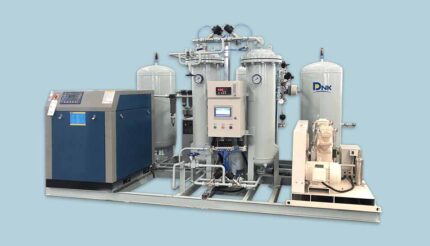
In fields that depend on burning, such as making glass or smelting non-ferrous metals, strong flame heat aids efficiency and limits emissions. These jobs usually call for oxygen purity between 90% and 95%. In iron and steel work, oxygen helps with tasks like adding to blast furnaces, producing steel in converters, ongoing casting, and cutting. DINAK’s small-scale ASU units suit these jobs nicely. Small-scale air separation equipment manages effective separation. It relies on boiling point differences in air parts. Workers can set these units for fair purity levels. Meanwhile, they hold steady energy use and dependability. This setup brings clear energy reductions. Process results do not suffer.
Gasification and Other High-Purity Demands
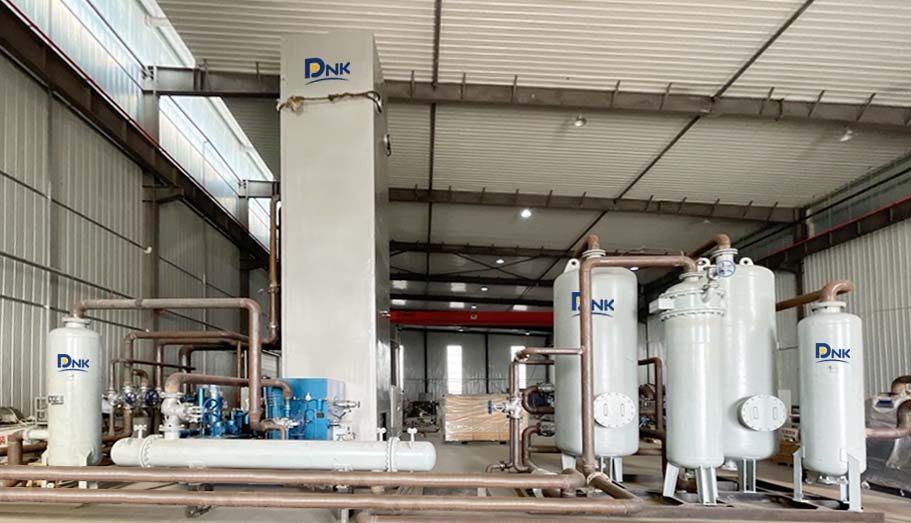
Certain jobs need purity over 99.5%. Examples include turning coal into gas, providing oxygen for medical use, or building electronics. For these areas, DINAK’s Full Liquid ASU and High-purity nitrogen equipment give sturdy answers. These can make high-purity oxygen at the same time as nitrogen. The ultra nitrogen plant can recover oxygen as a byproduct, suitable for auxiliary processes. However, unneeded extra purity leads to more reboiler effort and weaker recovery rates. DINAK’s systems permit exact setup of purity to fit industry rules. They practically achieve this.
Understanding Unit Energy Consumption
Defining Unit Oxygen Energy Consumption
The main measure in cryogenic tasks is kWh/Nm³ O₂. It tracks the power used to create one normal cubic meter of oxygen. This figure links directly to daily expenses. Cutting it down raises profit margins. It refers to the amount of electrical energy (kWh) consumed per normal cubic meter (Nm³) of oxygen produced—a key indicator for process efficiency. All DINAK air separation systems come with DCS (Distributed Control Systems). These provide ongoing checks of this value. The operation of the high-purity nitrogen equipment is based on a mature cryogenic distillation process, with the entire process automatically and precisely controlled by a DCS (Distributed Control System) to ensure stability and reliability.
Factors That Influence Energy Use
Several elements in design and daily running shape energy consumption:
- Product recovery rate: Better recovery boosts net output. However, it often calls for added reflux.
- Reflux ratio: It shapes how clear the separation is. Too much reflux lifts energy bills.
- Oxygen product take-off rate: This directly affects reboiler duty. Large pulls can throw off column heat levels.
- Temperature profile: Smart heat transfer reduces outside cooling requirements.
Our Ultra Nitrogen Plant features practical pipeline arrangements and a solid heat recovery method. These cut down on energy waste. Through optimized process and pipeline design, as well as a highly efficient heat recovery system, the power consumption per unit of gas production is significantly reduced.
Strategies for Process Optimization
Adjusting Distillation Column Parameters
Getting the reflux ratio correct matters a lot. If it dips too low, separation weakens. If it climbs too high, power goes unused. DINAK designs include structured packing and balanced heat patterns. These help adjust this ratio properly. Also, column pressure shifts with outside conditions or product goals. Our Full-liquid ASU offers several circulation choices. Low-pressure suits are ongoing work. Dual-expansion fits quick starts or busy periods. Medium-pressure circulation and medium-pressure dual expansion process: quick start-up, wide adjustment range, suitable for peak shaving or specific pressure requirements.
Tuning Product Extraction Rates
Product take-off rates should match downstream process requirements. This avoids straining setups or dropping purity marks. DINAK’s modular system design lets workers handle separate flows. They keep output even. In a metals refining operation, matching product extraction to the required oxygen purity aligned with furnace cycles.
Advanced Control and Automation Systems
DINAK applies Model Predictive Control (MPC) inside its DCS structure. This guides on-the-spot choices for whole plants. Our monitoring devices adjust running based on demand shifts or weather changes. The entire system is equipped with an advanced automatic control system, which enables fully automated start-up and shutdown sequences, remote monitoring, fault diagnosis, and safety interlock. This linking permits smooth teamwork among distillation column units, compressors, and cooling circuits. It trims energy spending and holds product details firm.
Economic Implications for Plant Operations
Cost Breakdown of Cryogenic Oxygen Production
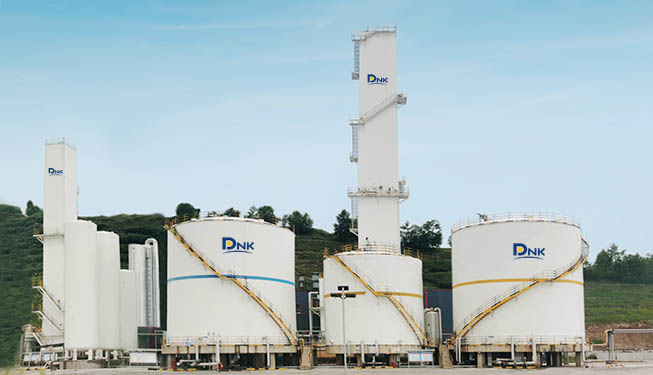
Power usually forms the biggest chunk of running costs in cryogenic air separation plants. Thus, lowering unit energy consumption affects profits straight away. In planning our systems, like the KDONAr-84000/14000/1700 example, we balance startup costs (CAPEX) and daily costs (OPEX). This aims for solid returns over the years. This ASU design is based on the principle of long-term steady operation, low energy consumption, easy management & maintenance.
Aligning Production with Market Demand
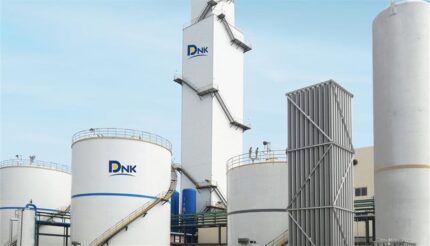
Instead of sticking to extra-high purity for every run, customers gain from creating oxygen that suits the task at hand. Producing “fit-for-purpose” oxygen rather than ultra-high purity by default significantly reduces wasteful energy use. DINAK systems, such as the Large-Scale ASU, provide adaptable arrangements. These let workers change purity grades fast. They respond to market ups and downs. Large-scale ASU can be customized according to different working conditions and energy consumption requirements of customers.
Conclusion: Achieving the Right Balance with DINAK Systems
Matching oxygen purity, yield, and energy consumption goes beyond just technical work. It forms a core business need. By grasping what each use requires and applying control methods, workers can trim unit energy consumption. They maintain product quality at the same time. DINAK’s cryogenic oxygen plant solutions provide the needed flexibility and smart features. These help handle the choices well. In the end, they bring strong profits and long-term operational benefits. Across our projects, achieved double-digit improvements in operating margins compared with baseline operation, pulled from industry benchmarks we track.
FAQ
Q: What is the optimal oxygen purity for combustion applications?
A: Most combustion processes operate efficiently with 90–95% oxygen; higher purities often lead to unnecessary energy consumption without proportional benefits.
Q: Why does increasing oxygen purity reduce plant yield?
A: Higher purities require deeper separation, which increases the reflux ratio and reboiler duty—reducing net product flow.
Q: How can I reduce my cryogenic plant’s electricity bill?
A: Adjust distillation parameters, apply control systems like those from DINAK, and avoid setting purity higher than necessary.
Q: What does “unit oxygen energy consumption” mean?
A: It refers to the amount of electrical energy (kWh) consumed per normal cubic meter (Nm³) of oxygen produced—a key indicator for process efficiency.
Q: Can DINAK systems adapt to changing market demands?
A: Yes, DINAK plants are designed for operational flexibility, allowing quick adjustments between different purity grades based on customer needs.
-2-430x246.jpg)