What is VPSA Technology
The VPSA (Vacuum Pressure Swing Adsorption) oxygen generator serves as a modern device for producing oxygen right at the site. It meets the needs for medium to large amounts of gas. Unlike conventional PSA systems that rely on higher adsorption pressures and pressure reduction for regeneration, VPSA technology operates at lower adsorption pressures and uses vacuum-assisted desorption to regenerate the adsorbent more efficiently. This vacuum-assisted regeneration significantly improves oxygen recovery efficiency and reduces specific energy consumption per unit of oxygen produced. It also cuts down on energy use.
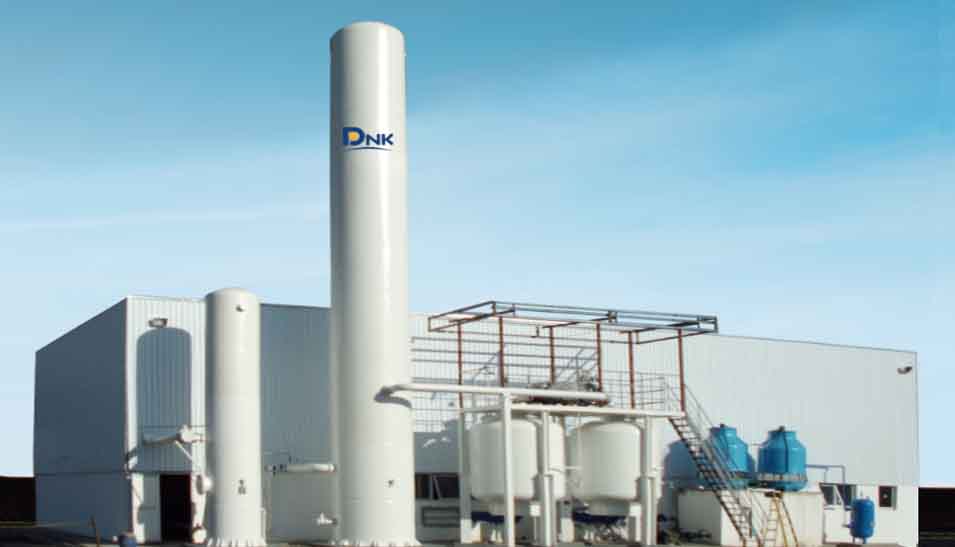
The basic idea comes from the way gases in regular air stick to materials differently. At the right pressure level, Specialized zeolite molecular sieves selectively adsorb nitrogen from compressed air, while oxygen passes through as the primary product. Moisture and CO₂ are largely removed during the upstream air pre-treatment stage. Oxygen, which doesn't stick as well, stays in the gas stream. So, it comes out as the main product. The cycle of sticking and releasing keeps things running smoothly and enabling efficient oxygen separation with minimal losses.
The Complete VPSA Process Explained
Air Intake and Pre-Treatment
Everything starts when fans pull in outside air. High-efficiency Roots blowers deliver large volumes of air at relatively low pressure, which is well suited for VPSA operation. Then, it heads into towers packed with zeolite sieves. First, though, filters catch dust and oil. After that, dryers pull out moisture. Clean, dry air feeds the system better. This step matters a lot. Dirty air can wear out parts faster and mess with oxygen flow.
Adsorption Phase
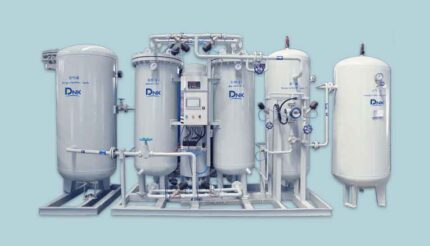
DINAK’s VPSA setups rely on top-quality zeolite sieves to grab gases. When pressure builds, these sieves pull in most of the nitrogen. Oxygen slips by and collects. DINAK optimizes adsorption tower design by improving flow distribution, cycle timing, and pressure equalization, enabling higher oxygen utilization and shorter cycle times. This way, more oxygen gets used, not lost.
Vacuum Desorption and Regeneration
When one tower fills with nitrogen, the system shifts to a second one. Meanwhile, the first tower cleans up. A Roots vacuum pump kicks in. It drops the pressure inside to below normal. Under this pull, nitrogen lets go of the sieves quickly. The pump sucks it out as leftover gas. The vacuum-assisted desorption process significantly reduces regeneration energy consumption compared to pressure-only systems. It also lets the sieves last longer. Costs drop over time.
Oxygen Purification and Buffering
After the towers, the gas reaches about 93% (± 3%)oxygen purity. This level works for many factory uses. DINAK adds tanks to even out the flow and pressure. That's key for machines downstream. Control panels with PLC tech watch gas details all the time. They tweak things as needed.
Comparing VPSA with Other Methods
VPSA vs. Cryogenic Distillation
Freezing air separation fits huge operations well. But it costs a lot to start and needs fancy setups. VPSA starts up quicker and spends less at first. It runs cheaply, handles big outputs from one unit, and stays reliable. As a result, VPSA is often selected as a cost-effective alternative to cryogenic air separation for medium-capacity oxygen demand. DINAK’s modular design greatly simplifies the VPSA units’ installation and commissioning process, shortens the project cycle, and facilitates rapid production.
VPSA vs. PSA Systems
Both use sticking principles for gases. Yet VPSA adds the vacuum part. That makes it use less power. It pairs a fast Roots blower with a vacuum pump. This handles big air volumes well. DINAK tunes VPSA for high needs. It has fewer parts that move, so upkeep stays low. Costs make sense compared to PSA. In medium- to large-capacity applications, our VPSA systems can reduce energy consumption by approximately 20–30% compared to conventional PSA systems, depending on operating conditions.
Efficiency and Cost Advantages
Energy Optimization in DINAK Systems
DINAK’s VPSA plants work at low pressures. They use solid Roots blowers and vacuum pumps. The key advantage lies in the system’s low overall energy consumption. Plus, PLC controls adjust the sticking and releasing based on real needs. Even when demand dips, power stays low.
Cost Reduction Over Time
Upfront, it saves money. But over the years, DINAK VPSA cuts bills more by skipping delivery fees for liquid oxygen. No more buying tanks or hauling them. Compared to liquid oxygen buys or cylinder swaps, these generators use less power. Long-run oxygen costs drop a lot.
System Scalability and Modularity
DINAK teams provide setups that fit changing factory sizes. Large air separation units can match site conditions and power limits. Modular units on skids go in quickly. They expand later without starting over. Like expanded wastewater plants, adding modules keeps pace with growth seamlessly.
Technological Innovations by DINAK
Advanced Adsorbent Formulations
DINAK picks zeolites made just right. They grab nitrogen better than oxygen. These hold up to heat and rough handling. They last longer, so swaps happen less. This keeps work flowing without breaks. In harsh chemical settings, such sieves endure years of cycles, cutting replacement hassles.
Smart Control Logic Integration
Every DINAK VPSA has a PLC and touch screens for checks. It spots issues early. The setup changes load to match gas use. It's simple to run and needs little fixing. Remote links help plan upkeep. This avoids surprise stops.
Robust Engineering Design
DINAK builds for toughness with rust-proof metals that take tough spots. The whole thing fits in tight skid packages for quick setup. It uses a proven block design. The layout is neat and takes little space. In crowded industrial zones, this saves room while handling heavy loads reliably.
Conclusion
DINAK’s VPSA technology changes how industries get oxygen. It brings top efficiency, easy modular design, and steady running. With 20+ years of hands-on work, we team up with global clients. We craft plans that fit their setups. These boost output, cut waste, and last through the years. From smelting metals to treating water, our tools help meet oxygen needs in green, affordable ways.
FAQ
Q: What does VPSA stand for in oxygen generation?
A: VPSA stands for Vacuum Pressure Swing Adsorption, a technology that separates oxygen from atmospheric air using pressure changes and vacuum desorption techniques.
Q: What purity level can be achieved with a DINAK VPSA plant?
A: DINAK’s VPSA plants typically produce oxygen with a purity of up to 93%, which satisfies most industrial application standards.
Q: How is DINAK’s VPSA system more efficient than traditional PSA?
A: DINAK’s system includes a vacuum desorption phase that lowers energy usage significantly compared to PSA systems relying solely on pressure swings.
Q: Is it possible to scale up a DINAK VPSA system later?
A: Yes. DINAK offers modular configurations that allow easy expansion as your production needs grow.
Q: What types of industries benefit most from VPSA plants?
A: Industries such as metallurgy, glass manufacturing, chemical processing, paper bleaching, and wastewater treatment benefit significantly from on-site VPSA-generated oxygen due to consistent supply and reduced costs.
-430x247.jpg)
内页小-430x246.jpg)