In the current industrial environment, the need for oxygen, nitrogen, and various specialty gases keeps rising steadily. These gases play a crucial role in major sectors such as steel production, chemical handling, and glass-making. As plants expand and rules on the environment tighten, factories require a dependable, affordable, and self-reliant gas delivery setup more than ever.
Comparing Supply Models
Facilities have two main ways to handle large-scale industrial gas requirements: on-site Full Liquid Air Separation Units (ASUs) and external gaseous supply through pipelines or cryogenic tankers. Selecting the optimal solution for industrial gas supply directly impacts a facility's operational efficiency, cost management, and long-term financial performance.
Understanding Full Liquid ASU
What is a Full Liquid ASU
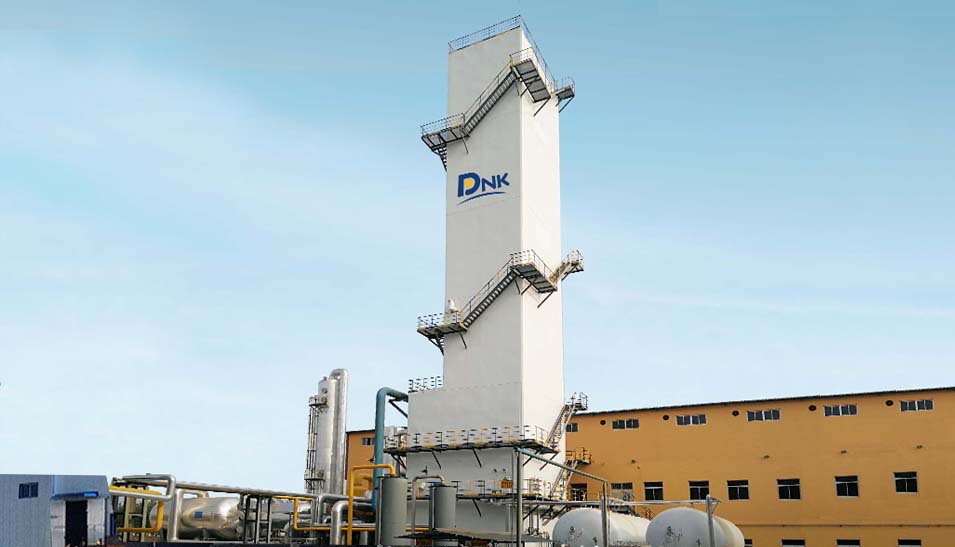
A full liquid air separation unit stands as a sophisticated cryogenic air separation device. It focuses on making liquid oxygen (LOX), liquid nitrogen (LIN), and liquid argon (LAR). Unlike standard gas-focused machines, this unit primarily yields liquid outputs. It can also create minor amounts of gas or none at all. As a result, users can store liquids easily and move them around with flexibility. This feature positions DINAK’s Full Liquid ASU ideal for industries with fluctuating and scalable gas requirements.
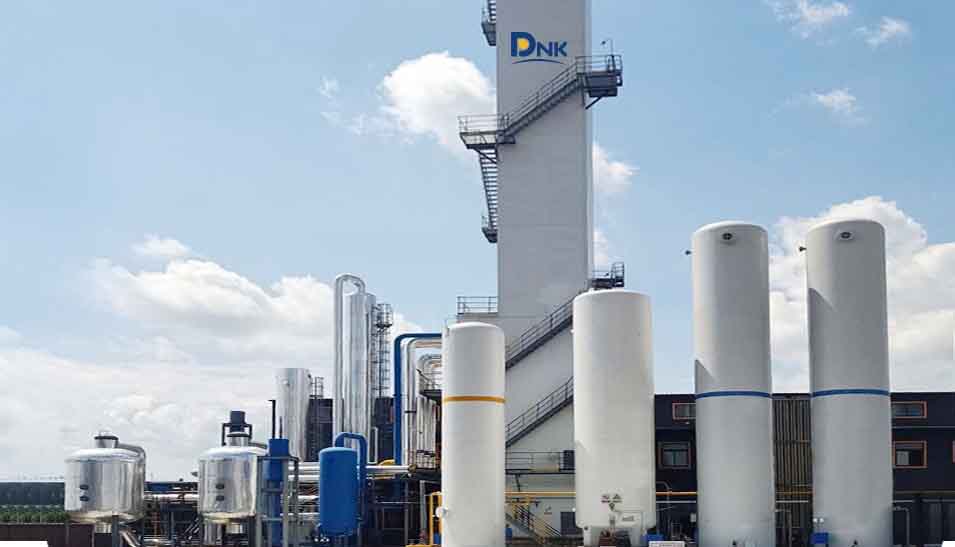
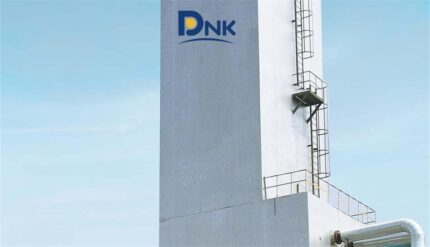
A large air separation unit includes several core parts that function as a team. These include the air compression system, pre-cooling and purification system, expansion refrigeration system, distillation column system, product compression and storage system, and an intelligent control system. Together, they guarantee steady output and solid energy use.
How It Operates On-Site
On-site Full Liquid ASUs keep producing pure liquid oxygen and liquid nitrogen without pause. The liquids go into cryogenic tanks for holding. Workers can turn these liquids into gas when demand changes or shift them to other areas in the plant. The main cold box uses effective insulation materials and a smart layout to cut down on heat escape.
Gaseous Supply Model Overview
External Supply via Pipeline or Tanker
Numerous plants still count on outside gas providers. These are delivered through pipeline systems or regular shipments via cryogenic tankers. This method skips the big initial spending on an ASU. However, this method introduces logistical complexities and continuous operational costs.
Operational Characteristics
Outside supply depends on set delivery times and agreement details. Sudden jumps in need or late trucks can lead to major halts. Plus, leaning on other companies brings dangers from shifting fuel costs, rising fees for deliveries due to inflation, or global events that mess up transport routes.
Cost Comparison: ASU vs. Gaseous Supply
Total Cost of Ownership (TCO) Analysis
Setting up a DINAK Full Liquid ASU calls for an initial outlay of cash. Yet, it offers clear savings in the long run. The unit uses less power and runs at a lower cost. Thanks to smart design in processes and heat linking improvements, the energy needed for each unit of liquid stays well below typical levels. Moreover, costs such as hauling charges, extra fuel fees, or supplier add-ons disappear entirely.
Maintenance and Operational Costs
DINAK simplifies upkeep with smart automation and off-site checks. The after-sales support covers remote watching and issue spotting, handling of spare parts, and custom upkeep plans. These steps cut daily expenses and build a stronger position in the market. Local staff get technical training from DINAK. This helps them manage the equipment well without heavy reliance on outside help.
Supply Chain Autonomy and Security
Control Over Production and Inventory
Adding a Full Liquid ASU lets industrial sites take full charge of gas making and holding. Liquid forms store simply and travel far without trouble. They overcome limits from gas line reach and serve broader areas. This self-rule supports exact scheduling of output. It avoids waiting on outside transport plans.
Risk Mitigation in Volatile Markets
Changing fuel prices or jammed transport paths can hit hard those using outside gaseous supply. An in-house ASU shields the work from such problems. DINAK's skill in building tough systems around the world shows how clients gain steady gas flow, no matter what happens in outside markets.
Flexibility to Meet Demand Fluctuations
Scalability with DINAK’s Full Liquid ASU
The unit proves easy to adjust and fits many uses. Users can tweak the gas type, cleanliness level, and amount based on their setup. It handles tough conditions well. This quality suits DINAK’s modular ASUs for changing tasks, like seasonal rushes in fertilizer plants or one-off projects in construction.
Challenges with Gaseous Supply Flexibility
Outside chains run on set deals with little extra room. Growing operations often mean new talks or extra builds. Neither option works fast in tight spots.
Return on Investment Considerations
Evaluating Payback Periods for DINAK’s ASU
For big users in areas like steelmaking or chemical work, the recovery time for DINAK Full Liquid ASUs usually falls between 2 and 5 years. Factors include gas consumption, local energy rates and plant size. These gains come from lower running costs, less risk of stops, and better workflow in processes.
Strategic Value Beyond Cost Savings
More than just money wins, a Full Liquid ASU aids key goals like better energy use and meeting ESG standards. The setup runs with full automatic smart controls. It allows simple one-button starts and stops, plus remote checks and error fixes. This fits well with shifts toward digital tools in factories.
Application Scenarios by Industry Type
Steel Manufacturing Plants
These sites demand huge amounts of oxygen for steps like basic oxygen steelmaking. On-site Full Liquid ASUs provide the right size with strong dependability and good energy savings.
Chemical Processing Facilities
Nitrogen creates safe blank spaces for many reactions. A focused DINAK Full Liquid ASU gives a steady nitrogen flow, vital for secure and smooth work.
Glass Production Enterprises
A reliable oxygen stream aids top burning in glass ovens. Supply changes can harm output quality. So, making oxygen on-site lifts both speed and results.
Making the Strategic Choice for Gas Supply
For sectors seeking tougher setups while trimming costs over time, moving from outside gaseous supply to an on-site Full Liquid ASU makes solid sense. DINAK’s modular designs offer high automation, adjustable outputs, and solid support after sale. Companies thus reach real freedom in gas handling.
DINAK builds solutions to raise output, cut waste, and last through the full plant cycle. This makes us the top choice for your upcoming spend on industrial gas setups.
FAQ
Q: What is the difference between a Full Liquid ASU and a gaseous supply?
A: A Full Liquid ASU produces liquid gases on-site for storage or immediate use, offering autonomy and control. Gaseous supply relies on external delivery through pipelines or tankers.
Q: Is investing in a DINAK Full Liquid ASU cost-effective for medium-sized factories?
A: Yes. For facilities with steady or growing gas needs, the long-term savings from eliminating delivery costs and improving energy efficiency often outweigh the initial capital expense.
Improving energy efficiency often outweighs the initial capital expense.
Q: How does an on-site ASU improve supply chain resilience?
A: It removes dependency on third-party logistics, ensuring continuous availability even during transportation disruptions or market volatility.
Q: What gases can be produced by DINAK’s Full Liquid ASU?
A: Primarily liquid oxygen and liquid nitrogen, which can be vaporized for various industrial applications as needed.
-430x247.jpg)
内页小-430x246.jpg)