Investing in a Large Scale Air Separation Unit is a strategic decision that shapes the financial and operational landscape of an industrial facility for decades. For procurement managers and project investors, the primary challenge is that there is no "off-the-shelf" price tag for these complex systems. DINAK specializes in the development and optimization of gas processing, separation, and liquefaction technologies, providing customized industrial gas solutions for customers worldwide. For most industrial projects that while the initial Air separation unit price is a critical factor, the true value lies in the Total Cost of Ownership (TCO). From our perspective as a leading manufacturer, this guide is designed to help you navigate the complexities of investment, minimize operating expenses, and maximize your Return on Investment (ROI) through customized engineering solutions.
Factors Influencing Large Scale Air Separation Unit Cost and Price
Capacity and Product Complexity
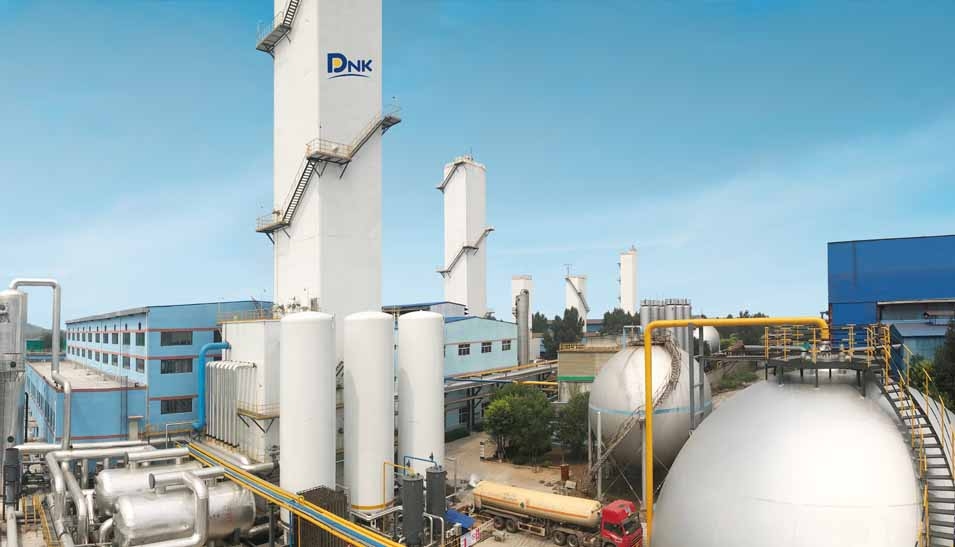
The most significant driver of a Large Scale Air Separation Unit cost is the required production capacity. However, it is not just about the volume of gas; the complexity of the product mix plays a vital role. A Gaseous ASU designed primarily for oxygen and nitrogen will have a different price structure compared to a Full Liquid ASU that must produce liquid products for transport.
Purity Standards and Site Conditions
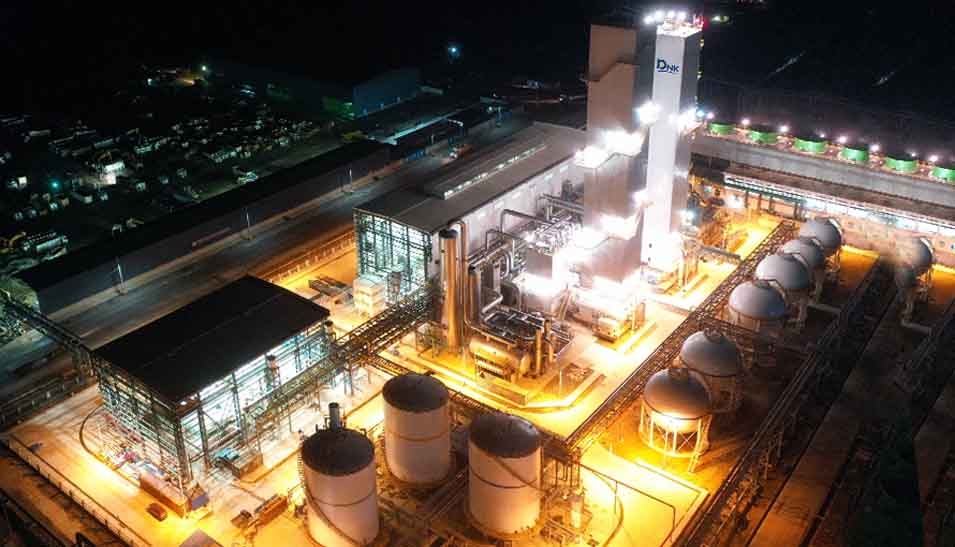
Required gas purity levels directly dictate the design of the Cryogenic air separation plant. Achieving high-purity nitrogen or oxygen involves more sophisticated Distillation column designs and advanced Molecular Sieve Pre-purification Unit (MPU) technology to remove trace impurities like moisture and carbon dioxide. Additionally, site-specific factors—such as altitude, ambient temperature, and available utilities—require customized design adjustments to ensure the system operates efficiently in its specific environment, which can affect the baseline pricing of the air separation equipment.
Capital Investment in a Large-Scale Air Separation Unit
Core Equipment and Process Selection
The selection of an appropriate process configuration is essential. For instance, our internal compression process utilizes cryogenic liquid pumps to pressurize liquid oxygen before vaporization, reducing the power consumption associated with external gas compression.
Modular Construction and Automation Systems
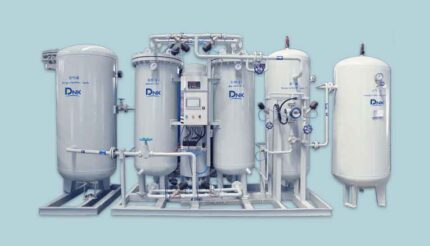
To help customers reduce infrastructure costs and shorten project timelines, we often utilize a modular skid-mounted design. By assembling key units in a controlled factory environment, we minimize on-site labor and construction risks. Furthermore, the integration of an advanced Intelligent control system, such as a DCS or PLC, is a vital part of the initial investment. While high-end automation may increase initial costs, it enables features like automated start-up and shutdown sequences, which are essential for long-term reliability and reducing the Nitrogen plant investment cost.
Evaluating the Operating Cost of a Large-Scale Air Separation Unit
Power Consumption and Energy Management
It is a well-known industry fact that electricity consumption represents the largest portion of the Air separation unit operating cost. The power required to run the Air compressor is the single most significant ongoing expense. To combat this, we have developed the ultra-low pressure energy-saving process, which optimizes the thermodynamic design to significantly reduce the discharge pressure required by the Main Air Compressor through optimized cryogenic process configuration.
Maintenance, Spare Parts, and Labor Expenses
Beyond energy, operational expenses include routine maintenance and the management of high-quality components. Unexpected downtime can be production downtime, which is why we offer comprehensive maintenance agreements and spare parts management. These services ensure that your Oxygen production plant or Nitrogen generation plant remains in peak condition with minimal unplanned repairs. Proper technical training for your staff also reduces labor-related risks and ensures the industrial air separation equipment is operated according to the highest standards of safety and efficiency.
How to Reduce Large Scale Air Separation Unit Operating Costs and Improve ROI
Energy-Efficient Technologies and Optimization
The key to a rapid Air separation unit ROI is reducing the "cost per unit" of the gas produced. We achieve this by integrating high-performance plate-fin heat exchangers and structured packing rectification technology and utilizing patented technologies in our main condenser-evaporator system.
Reliability and High Plant Availability
High plant availability is critical for industries like steel or chemicals that require 24/7 gas supply. We design our Large-Scale ASU systems with a focus on long-term steady operation and a high load adjustment range. By incorporating remote monitoring and diagnostics, we can provide early fault warnings and remote technical support, achieving a diagnostic accuracy of over 95%. This proactive approach prevents costly outages and ensures that your Industrial gas production remains uninterrupted, directly protecting your bottom line.
Why Choose DINAK as Your Large Scale Air Separation Unit Manufacturer
Customized Designs for Specific Applications
At DINAK, we do not believe in one-size-fits-all solutions. Whether you need a Small scale ASU or a Large-Scale ASU, we provide a customized solution tailored to your specific working conditions and output requirements. Our engineering team works closely with you to balance CAPEX and OPEX, ensuring the final design provides the most economical gas supply for your unique process, whether that involves high purity oxygen or specialized High-purity nitrogen equipment.
Full-Chain Project Implementation and Support
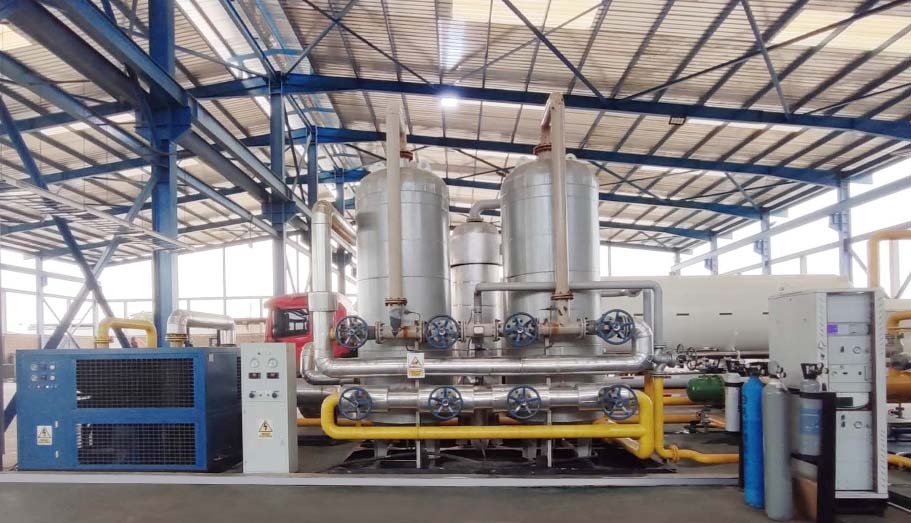
Choosing DINAK means partnering with a company that handles the entire lifecycle of the project—from R&D and design to manufacturing and EPC (Engineering, Procurement, and Construction). DINAK has delivered numerous industrial gas projects across multiple industries, including steel, chemical, petrochemical, and non-ferrous metallurgy. This extensive experience allows us to provide reliable performance guarantees and transparent cost control. By managing the full chain, we minimize the risks of project delays and cost overruns, providing you with a stable and safe On-site gas supply that enhances your industrial competitiveness.
Conclusion
A comprehensive understanding of Large Scale Air Separation Unit cost goes far beyond the initial purchase price. It requires a holistic view of capital investment, energy efficiency, and long-term maintenance strategies. As your partner, DINAK is dedicated to providing advanced Cryogenic Air Separation solutions that prioritize low energy consumption and high reliability. By focusing on customized design and intelligent operation, we help you achieve a superior ROI while securing a stable future for your industrial gas needs. Investing in DINAK technology is not just about buying equipment; it is about investing in over 20 years of proven expertise to ensure your facility's long-term success.
Contact DINAK today to receive a detailed cost analysis and discover how our customized air separation solutions can optimize your industrial gas investment.
FAQ
Q: How much does a large-scale air separation unit cost?
A: There is no fixed Air separation unit price, as it depends on factors like Air separation plant capacity, product purity, and whether you require gaseous or liquid output. DINAK provides Customized Capacity and design solutions tailored to your specific working conditions to ensure the most cost-effective investment for your plant.
Q: What is the highest operating cost of an ASU?
A: Electricity is the largest component of Air separation unit's operating cost, primarily due to the power consumed by the Air compressor. DINAK minimizes this through our Ultra-low pressure process, which reduces core energy consumption and saves significant operating costs over the plant's life cycle.
Q: How can I reduce ASU energy consumption?
A: Energy consumption can be reduced by using advanced technology like our Internal compression process or Ultra-low pressure energy-saving process. Additionally, maintaining high plant availability through Remote monitoring and diagnostics ensures the system always runs at its most efficient parameters.
Q: Is a turnkey air separation plant more cost-effective?
A: Yes, a Turnkey air separation plant managed by a single partner like DINAK often reduces the overall Air separation plant cost by streamlining design, manufacturing, and installation. This avoids the hidden costs of managing multiple vendors and ensures the seamless integration of all system components.
-430x247.jpg)
内页小-430x246.jpg)