In the current industrial world, liquid nitrogen acts as more than a simple cold liquid. It serves as a key tool in areas like metal work, electronics, chemical production, and food storage. As companies depend more on strong setups to get their nitrogen supply, knowing how liquid nitrogen comes from gas matters a lot. This knowledge helps in making smart choices about technology. It also lets people check suppliers better.
The Role of Air Separation in Production
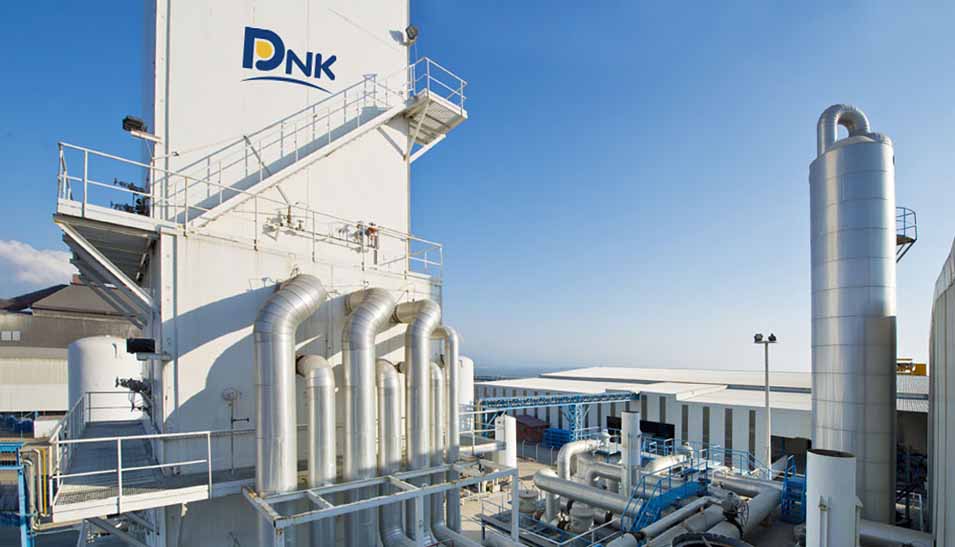
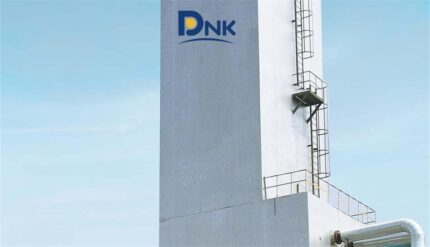
The base of making liquid nitrogen rests on cryogenic air separation. This approach exploits the distinct boiling point differences of atmospheric components of air gases to pull out nitrogen with great cleanliness. At DINAK, we focus on providing gas solutions for the industry based on this idea. Big air separation equipment works well because it uses those boiling point differences in the air parts. Our setups include key steps like air compression, cleaning it, distilling, and turning it into a liquid. These steps lead to steady, growing, and power-saving results for important factory tasks.
Fundamentals of Air Separation
The air around us mainly has nitrogen at 78% and oxygen at 21%. Argon and small amounts of other gases fill the rest. To create liquid nitrogen, we need to split this mix. The process starts by chilling the air to very low temperatures. At those points, the parts can separate based on their special boiling points. When air reaches the point where it turns to liquid, it enters a double-column cryogenic distillation system consisting of a high-pressure column and a low-pressure column. There, nitrogen, oxygen, and argon split one after another under careful control of heat and pressure. Nitrogen has the lowest boiling point (-196°C) among the major components of air. So, it moves up to the top of the column and gets taken out as a gas. This way forms the main support for our Large-Scale ASU systems at DINAK.
Key Components in DINAK Air Separation Units
Main Air Compressor and Pre-treatment System
Every air separation process starts with air compression. Then, after this pressing, the basic air goes into a cleaning system at room temperature with molecular sieves. This removes dirt like water, CO2, and oil traces fully. Such cleaning matters because it stops ice buildup and clogs in the cold parts later on.
Heat Exchanger Systems
Cleaned air next heads to the heat exchanger for initial cooling. It shares warmth with the returning cool gas in the main exchanger. After this basic chill, it enters the fractionating tower setup. Our systems use a cycle where warm incoming air swaps heat with the cold flows, such as nitrogen and oxygen. This method boosts power use greatly and cuts down running expenses.
Distillation Columns (High and Low Pressure)
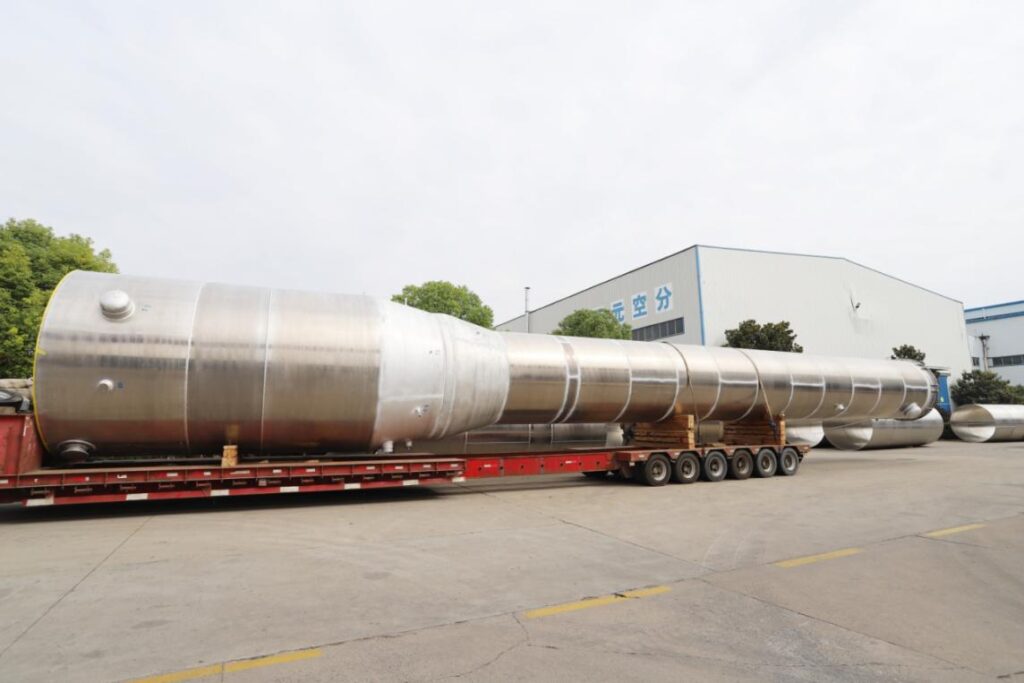
The chilled air flows into a double-column cryogenic distillation system. The high-pressure one pulls apart oxygen-heavy liquid from nitrogen gas. The low-pressure column then cleans nitrogen to very high levels fit for turning into a liquid. We build these columns with care for the best flow of mass and heat. This gives steady splitting even when loads change.
Liquid Nitrogen Liquefaction Process
Purified Nitrogen Extraction Point
After the separation ends, clean nitrogen gas leaves from the top of the low-pressure column. Through cryogenic air separation technology, we get high-purity nitrogen gas with oxygen content ≤2 ppm. It comes out steady and without breaks. This gas becomes the base for the liquefaction step.
Subcooling via Cold Box Integration
DINAK’s liquefaction method ties in a cold box that cools the clean gas nitrogen further. The nitrogen goes into the cooling exchangers in our cold box system. There, it trades heat with colder flows, like expanded air or leftover nitrogen gas. This brings the heat down to -196°C.
Final Liquefaction Stage
To finish the change to liquid, our systems use a cycle driven by a turboexpander for cooling. The booster turbine expander gives the needed chill power to the setup. It provides the required refrigeration duty and cold energy recovery, supporting stable low-temperature operation of the system. At this point, the gas nitrogen shifts to liquid nitrogen. It's now set for use down the line or holding.
Importance in Industrial Supply Chains
Stability and Scalability with DINAK Systems
DINAK brings more than 20 years experience of building know-how. We have worked hard on gas handling, separation, and liquefaction technology. Our Full Liquid ASU systems fit the needs for liquid output. The all-liquid air separation unit stands as a top cryogenic air separation tool made just for liquid oxygen (LOX), liquid nitrogen (LIN), and liquid argon (LAR). Clients can adjust these units like building blocks to match their changing work needs.
Ensuring Purity and Process Control
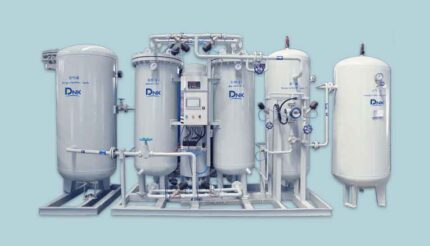
Our smart control setups watch everything in real time. This keeps all results within the tight industry rules. The whole system links together core parts. These include an air compressor, a pre-cool setup, a molecular sieve cleaning system, a fractionation tower, a nitrogen press system, and a smart control system. Auto features allow steady work with little hands-on help. That's vital for non-stop factory runs.
Integration with End-use Applications
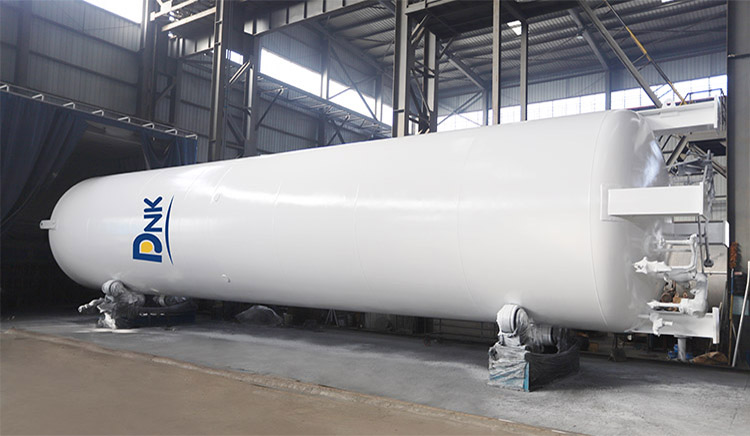
DINAK systems link easily with later uses, like cold freezing paths in food handling or safe gas covers in chemical sites. Liquid nitrogen helps clear pipes, guard materials, and swap for safety in chemical work. Our Cryogenic Liquid Vacuum Storage Tanks ensure safe and smooth product flow across places. The space between the inner and outer tanks holds expanded perlite. It's pulled to high vacuum, which cuts heat entry a lot from passing, flowing, and beaming.
Conclusion
Liquid nitrogen plays a major role in today's factories. It aids exact heat handling in electronics manufacturing and fast cooling in food shipping. At DINAK, we use strong cryogenic air separation methods to make clean liquid nitrogen. The steps go from pressing, cleaning, heat swap, distillation, extra cooling, and lastly liquefaction. With our Large-Scale ASU, Full Liquid ASU, and Cryogenic Storage Solutions, factories get ongoing supplies that focus on cleanliness, good power use, and room to grow. Learning this making process helps factory buyers choose wisely. They can weigh suppliers or plan building spends better.
FAQ
Q: How does cryogenic air separation ensure the purity of liquid nitrogen?
A: The process involves multi-stage distillation under controlled pressure and temperature conditions that exploit differences in boiling points; DINAK’s systems produce nitrogen with ≤2ppm O₂ purity.
Q: What makes DINAK’s Full Liquid ASU suitable for industrial supply?
A: The all-liquid air separation unit is specifically designed for producing LOX, LIN, and LAR with flexibility in output modes for different customer requirements.
Q: How does DINAK improve energy efficiency during liquefaction?
A: The booster turbine expander provides the required cooling capacity to the system, while regenerative heat exchangers recover cold energy from product streams.
Q: Can DINAK systems handle increasing demand over time?
A: Yes! our modular designs allow easy capacity scaling without compromising operational stability.
-430x247.jpg)
内页小-430x246.jpg)