The Rising Cost of Energy in Air Separation
Cryogenic air separation units (ASUs) form vital setups that support major industries like steel, petrochemical, and chemical processing. These systems play a key role, but they demand a lot of power. Electricity bills make up the biggest part of running costs. In many big ASUs, energy expenses can take up more than 60% of overall operating costs. This mainly comes from needs like air compression and cooling. They use cryogenic distillation to split air into pure oxygen, nitrogen, and argon with high separation efficiency and stable product purity. As energy prices around the world shift and usually go up, this reliance puts real strain on profits.
Why Focus on Energy Efficiency Now
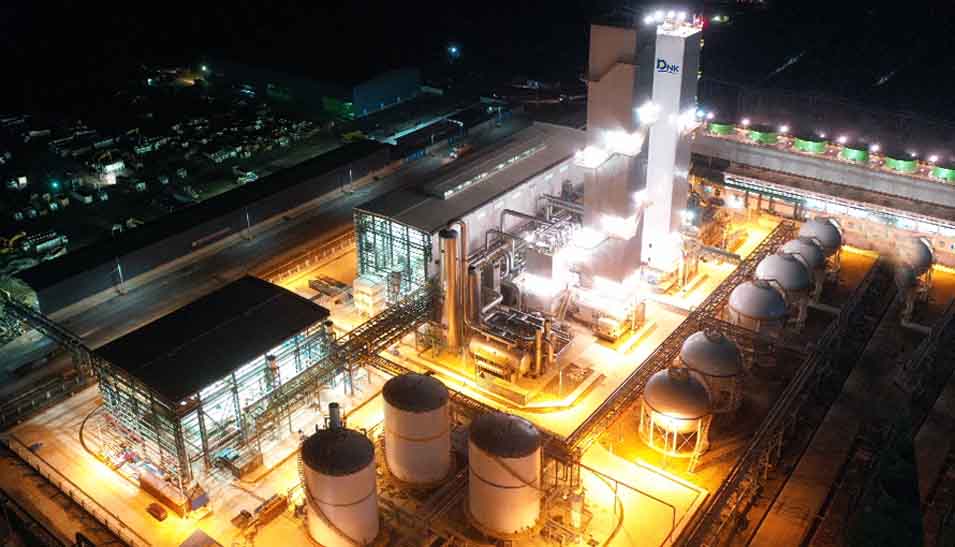
New control tools that are easy to get, along with exact heat models and robust mechanical components, create new opportunities for improving energy efficiency in cryogenic ASUs. At DINAK, we see that cutting energy use goes beyond just lowering bills. It helps keep businesses strong over time. DINAK works hard on building and improving gas handling, separation, and cooling methods. Our options aim to help customers drop power use per unit in clear ways. Knowing exactly how energy gets used in each part of the system lets us make focused changes. These changes bring the best return on investment.
Key Energy Consumers in Cryogenic Air Separation
Air Compressor Power Demand
The air compressor stands as the top power user in a cryogenic ASU. It often takes more than 50% of the whole plant's electricity. High-efficiency air compressors push raw air into the room-temperature molecular sieve adsorption purification system. There, it gets cleaned of dirt and other unwanted bits. To cut compressor power needs, operators must watch inlet air conditions closely. They also need to minimize discharge pressure and overall pressure ratios. These steps matter a great deal.
DINAK's Large-Scale ASU setups use ultra-low-pressure methods to save energy. With careful heat design and good packing tech, the raw air compressor's discharge pressure can be reduced to around 0.43 MPa in optimized low-pressure ASU designs, significantly lowering compression power demand. This cuts the main power needs of the gear a lot. As a result, customers achieve significant reductions in operating costs. Plus, adding variable speed drives (VSDs) helps. Inter-stage cooling adds more gains, especially when loads change.
Refrigeration System Consumption
Making very cold temperatures for turning air into liquid takes a heavy electrical load. DINAK's cooling advances bring real cuts here. The booster turbine expander generates refrigeration by converting pressure energy into expansion work, thereby providing the low-temperature conditions required for air liquefaction. It acts as a main driver to keep a steady low-temperature setup and support even distillation. In our KDONAr-3000Y-4000Y-50 project, we added both high- and low-temperature expander cooling together. We also optimized the operating conditions and control strategy of Joule-Thomson valves inside the cold box. These changes make cold-making cycles work more smoothly.
Pump and Circulation Load
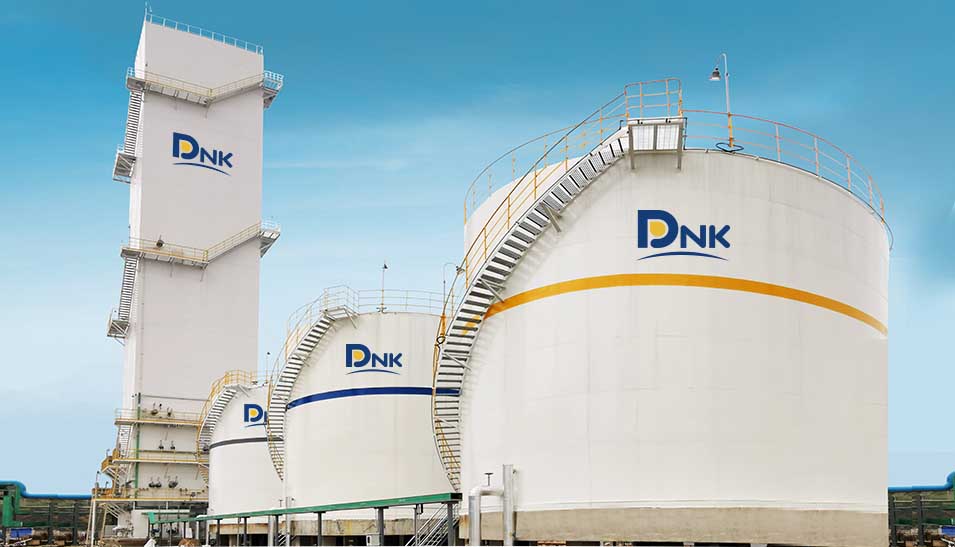
Pumps handle moving liquid products and keep internal loops going. Their flow design ties right into power use. At DINAK, we focus on low-pressure drops. We do this with exact pipe plans and solid motor choices. Using single-pump or dual-pump internal compression works well. Pair it with air booster circulation or nitrogen booster circulation. Then, oxygen and nitrogen output pressure can hit 8.5 MPa. This cuts the need for outside compressors. It boosts safety in operations and lowers total power pulls.
Design Optimization Strategies
Turbo-expander Energy Recovery
A top way to boost energy results in cryogenic ASUs involves pulling back work from expansion with turbo-expanders. Turbo-expanders turn some pressure loss in expansion into useful mechanical or electrical output. The main cold source, the turboexpander, keeps giving the cooling the system needs by doing work. In the end, this helps turn air into liquid. This improves overall system efficiency and reduces specific power consumption. At the same time, it pulls less from helper power sources.
Heat Exchanger Temperature Difference Optimization
Efficient thermal integration is critical in cryogenic processes. The plate-fin heat exchangers aim to shrink the temperature gap at the warm end. They also hold pressure drops in check. The main condenser-evaporator uses a fresh multi-layer structure from our patented tech. This boosts heat flow and makes equipment run steadier and cheaper. Such design steps allow higher recovery rates. They keep the build solid and long-lasting, even with big heat shifts.
Advanced Control Systems for Load Matching
Controls that adjust on the fly matter more and more for power savings. At DINAK, we put in smart automation with model predictive control (MPC) methods. These handle changing conditions well. The full system has a top automatic control setup. It allows one-button starts and stops. You can monitor from afar, spot faults, and use safety locks. This makes handling straightforward. It also keeps things running smoothly and trustworthy. Linking to distributed control systems (DCS) ties all parts together without hitches. This raises both safety and dependability.
Measurable Benefits of Technology Upgrades
Comparing Legacy vs Modern Systems
The gap in power use per unit between old ASUs and new DINAK ones shows clear differences. This comes from smarter compression plans, finer distillation setups, and better control thinking. Power per unit product lower than the industry average demands. These gains mean lower running costs right away. They also help meet green rules by shrinking carbon output.
Impact on Total Cost of Ownership (TCO)
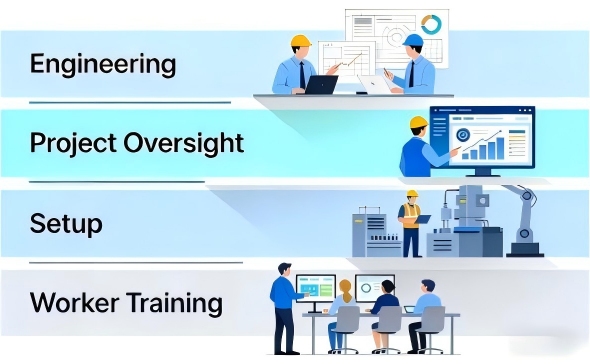
Cuts in energy lead straight to better profit edges. But DINAK systems go further with built-in strength. They face fewer failures. Parts last longer, so upkeep costs drop. Our service covers engineering, project oversight, setup, and worker training. Remote watching and ahead-of-time fault checks keep stoppages low. This raises how well assets get used over the plant's full life.
Conclusion
Cutting energy use in cryogenic air separation has become a must for staying ahead. By aiming at big power draws like compressors, cooling setups, and pumps, plant runners can trim electricity bills a lot. DINAK’s forward tech, such as tuned plate-fin heat exchangers, and smart controls, makes this possible. These steps not only bring down costs for making gases per unit. They also build better reliability and green practices. In turn, this lets managers hit money targets and eco goals at the same time.
FAQ
Q: What is the biggest source of energy use in a cryogenic ASU?
A: The air compressor typically consumes the most power, often exceeding 50% of total plant electricity usage.
Q: How does a turbo-expander help reduce power costs?
A: Turbo-expanders recover energy during gas expansion, converting it into mechanical or electrical power to offset other loads.
Q: What makes plate-fin heat exchangers more efficient?
A: Their large surface area and optimized flow paths allow better heat transfer with minimal pressure drop, improving thermal integration.
Q: Can automation systems really improve energy efficiency?
A: Yes, advanced control systems dynamically adjust operations based on real-time demand, ensuring optimal part-load performance.
Q: How much can modern technology reduce ASU energy costs?
A: Depending on the baseline system, upgrades with DINAK components can cut specific power consumption by 10–25%.
-1-430x246.jpg)
-2-430x246.jpg)