In the realm of precision engineering, the glassmaking sector is among the energy-intensive industries, where the quality of the end products is ensured only under complete control of the furnace temperatures and the chemical composition of the atmosphere. The problems associated with industrial gas market fluctuations and the difficulty of delivering liquid oxygen have long been known to glassmakers. As a professional company with more than two decades of expertise in designing and perfecting technologies for gas processing and separation, DINAK knows that the secret of success in the contemporary industrial environment is self-reliance. The primary objective of our business is to offer comprehensive solutions involving gas separation installations for boosting efficiency and reliability of production operations. Using our small ASU technology will help glass factories become independent enterprises with high-efficiency production capabilities.
Challenges of Traditional Oxygen Supply
High Costs of Liquid Oxygen Transport
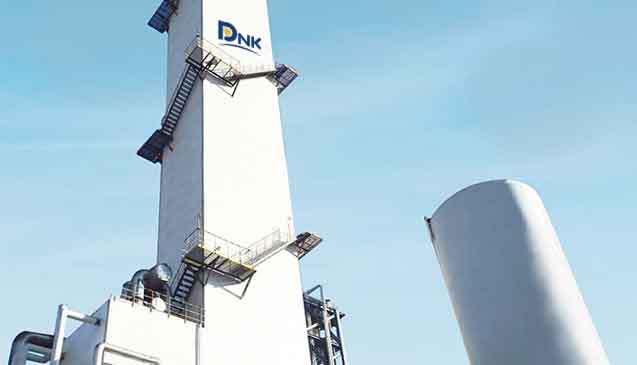
Traditionally, many medium-sized glass plants have relied on purchasing liquid oxygen. While this ensures a supply, it subjects the manufacturer to the heavy burden of transportation costs and "boil-off" losses during storage. For a glass furnace that must run 24/7, the cumulative expense of logistics can significantly erode profit margins.
Risks of Unstable Supply Chains
Relying on external vendors for oxygen means that any disruption in the supply chain—be it weather, labor strikes, or fuel price hikes—can lead to costly furnace downtime. In the glass industry, a cooling furnace is not just a delay; it can result in severe production losses and potential furnace damage. We have observed that plants using independent small-scale ASU solutions are much better equipped to handle global market fluctuations than those relying on bottled or liquid deliveries.
The Shift to On-Site Oxygen Systems
Benefits of Local Oxygen Generation
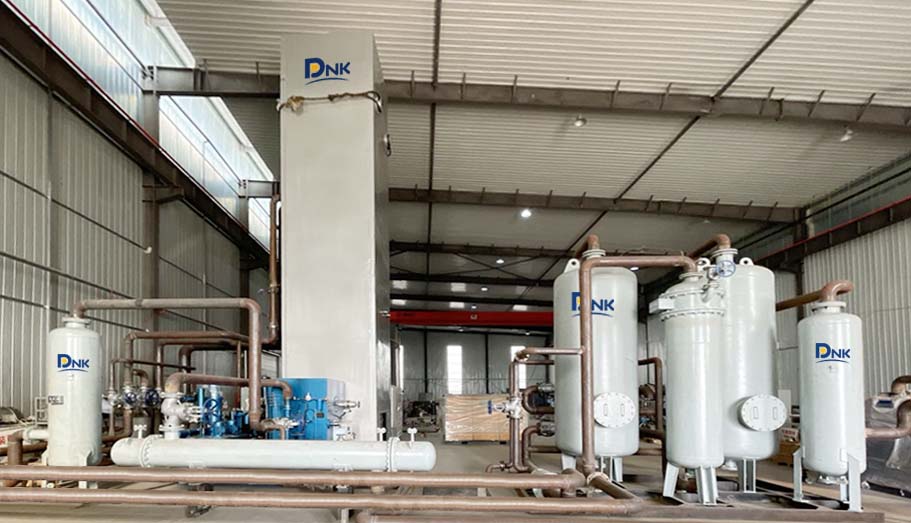
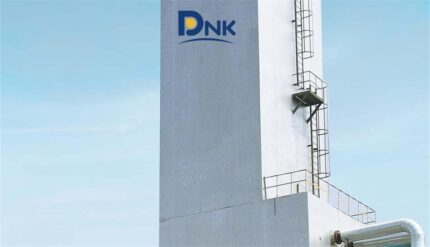
The most immediate advantage of installing a small-scale ASU is the elimination of the middleman. These units use advanced cryogenic technology to separate high-purity oxygen from atmospheric air through cryogenic distillation technology. By integrating an air compressor, purification system, and fractionation tower into a single site-managed facility, we allow manufacturers to produce exactly what they need, when they need it. This transition transforms oxygen from a fluctuating variable cost into a stable, predictable utility.
Reducing Downtime with Continuous Supply
Our small-scale ASU is designed for long-term steady operation. Unlike delivery-based systems, where a late truck can stop production, an on-site small-scale ASU provides a continuous flow of gas.
Improving Glass Furnace Performance
Advantages of Oxy-Fuel Combustion Technology
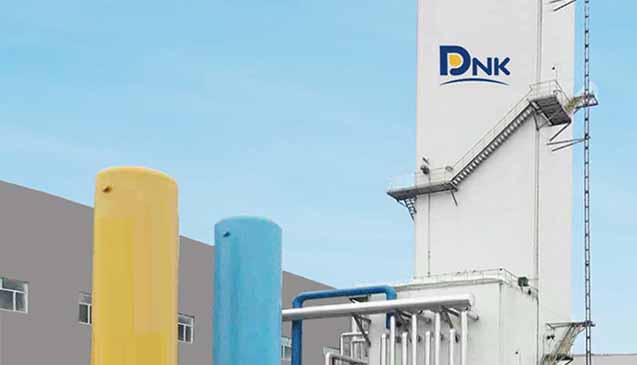
The availability of oxygen is the backbone of the glass melting process. By using pure oxygen extracted from our small ASU instead of air, the manufacturers can carry out oxy-fuel combustion. In this method, the problem of nitrogen dilution effect, which occurs during air-fuel combustion and causes loss of heat energy in the stack, can be bypassed to enable a very powerful flame to be produced.
Enhancing Glass Melting Productivity
The efficiency gains from using a small-scale ASU go beyond mere gas purity. Because our systems, such as the Gaseous ASU and the Small-scale ASU, allow for adjustable pressure and flow, they can be fine-tuned to the specific pull rate of the glass furnace. This precision results in fewer defects, such as bubbles or unmelted batch materials, directly increasing the yield of the production line. For larger facilities, our Large-Scale ASU provides a similar boost in productivity on a massive scale.
Environmental Impact and Sustainability
Cutting Carbon and NOx Emissions
Sustainability is no longer negotiable in contemporary manufacturing operations. Through the use of the smaller ASU for supplying pure oxygen, there is a removal of nitrogen from the combustion process, which in turn helps minimize the production of NOx emissions. Also, owing to the improved thermal efficiency in the furnace operation, lesser amounts of fuel are required, thus contributing to decreased CO2 emissions.
Meeting Green Manufacturing Standards
Regulatory bodies worldwide are tightening emission standards. Utilizing our small-scale ASU or our Industrial Furnace Exhaust Gas Recovery System helps glass plants stay ahead of these regulations. These technologies represent a commitment to "green" manufacturing, making the factory more attractive to eco-conscious clients and investors.
Why Choose DINAK Small-scale ASU
Compact and Efficient Skid-Mounted Design
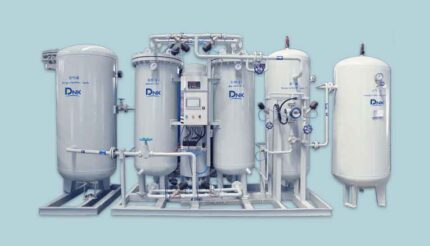
We specialize in making complex technology accessible. Our small-scale ASU features an overall skid-mounted structure, which makes it incredibly easy to install even in existing factories with limited space. These units use a turbo expander to provide the necessary cooling capacity for liquefaction and a molecular sieve purification system to ensure the air is free of impurities like moisture and CO2 before it enters the fractionation tower.
Tailored Solutions for Glass Plants
Our DINAK systems are not "one size fits all." We partner with our clients in providing customized solutions, either in the form of a PSA Oxygen Generator for small projects or in the complete installation of small ASU plants for bulk production. The unique selling point of our DINAK system is that it employs an internal compression mechanism using a liquid oxygen pump, thereby providing high-pressure output without the use of any external oxygen compressor, resulting in reduced maintenance costs and enhanced safety measures.
We provide you with a wide array of services, ranging from Technical Training, Remote monitoring and diagnostics, and Spare parts management, which will help in maximizing the life of your equipment.
Conclusion
For the glassmaking industry, efficiency and sustainability are critical and are the only ways forward. When selecting our small-scale ASU made by DINAK, we provide you with more than a machine. Our over 20 years of experience have shown that on-site gas separation is the most effective way to lower operational costs, stabilize production, and meet environmental goals. Whether you are looking to upgrade an existing furnace or build a new facility, our team is ready to design a custom industrial gas solution that fits your unique requirements.
Contact DINAK today to get your customized industrial oxygen solution and optimize your glass manufacturing efficiency!
FAQ
Q: How does on-site oxygen generation reduce costs for glass plants?
A: On-site generation with a small-scale ASU eliminates the recurring costs of liquid oxygen transportation and the evaporation losses that occur in a Cryogenic Liquid Vacuum Storage Tank. It also protects the plant from the price volatility of industrial gas suppliers, providing a fixed and lower cost per cubic meter of oxygen.
Q: Can oxy-fuel combustion with a small-scale ASU improve glass quality?
A: Yes. The high-purity oxygen provided by the small-scale ASU ensures a more stable and hotter flame in the furnace. This leads to a more uniform melt and better glass homogeneity, reducing common defects like seeds and cords, and ultimately resulting in a higher quality finished product.
Q: What makes DINAK Small-scale ASU suitable for medium-sized factories?
A: Our small-scale ASU is specifically designed with a small footprint and a skid-mounted structure for easy installation in constrained spaces. Its Internal compression process makes it highly efficient and safer than traditional systems, while our Remote monitoring, diagnostics, and Maintenance Agreement services ensure that even plants with limited technical staff can operate the equipment smoothly.
-430x247.jpg)
内页小-430x246.jpg)