In today's industrial setups, steady access to pure gases such as oxygen and nitrogen plays a vital role. Fields like chemical production, metal processing, and electronics assembly depend on these gases for operations that demand steady control. Even small changes in gas quality or delivery pressure can harm product standards, machine durability, and factory output.
For years, many plants have used liquid gas deliveries. These processes involve energy-intensive liquefaction, cryogenic storage, and vaporization stages, each introducing additional operational complexity and potential points of failure. Think of shipping holdups or issues with heating units. All this makes them unsuitable for round-the-clock work.
Gaseous ASU as a Targeted Solution
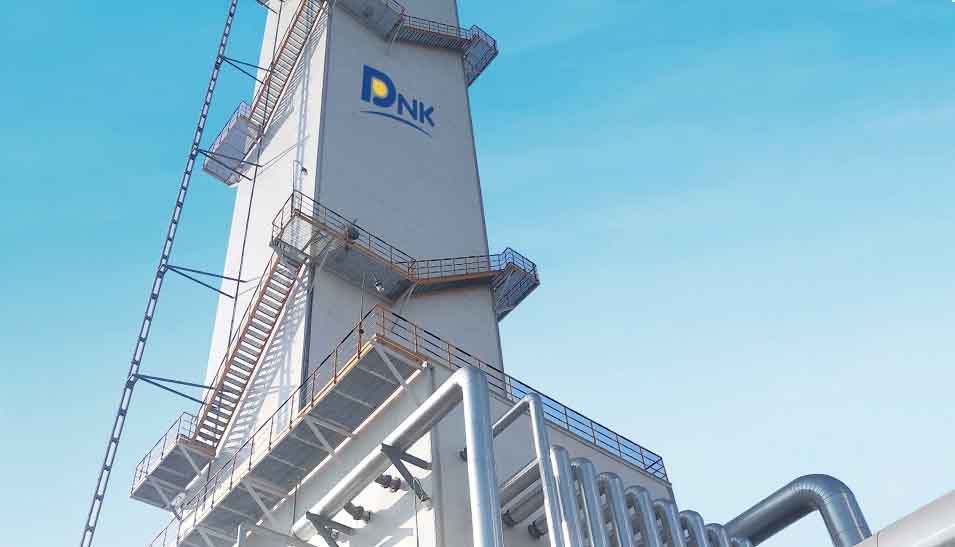
To tackle these issues, we bring a custom fix: the Gaseous ASU. This engineered system produces high-purity oxygen and nitrogen in gas form right at the needed pressure. It skips the steps of cooling to a liquid and heating back up. At DINAK, we offer several improved methods for gaseous ASU. One of key innovations is its optimized low-pressure air compression design, which significantly reduces the inlet air compression ratio while maintaining stable separation efficiency. As a result, it fits smoothly into current gas lines. This cuts complexity and boosts dependability.
Understanding Gaseous ASU Technology
Core Principles of Gaseous ASU
The gaseous ASU works through cryogenic distillation basics. First, regular air gets cleaned and chilled. Then, it enters a series of distillation columns to split into main parts—mainly oxygen and nitrogen. Different from old setups that hold gases as liquids, the DINAK version sends out gases straight away at the right pressures for direct use.
Its main heat exchanger adopts a patented multi-layer plate-fin structure, enhancing thermal efficiency, operational stability, and long-term reliability. This boosts heat exchange and raises equipment stability and cost savings. In practice, it delivers pure gas output. Plus, it keeps the whole system running smoothly. In high-throughput chemical plants, this design ensures stable operation and minimizes unplanned downtime during continuous production.
Key Components of DINAK Gaseous ASU
The DINAK Gaseous ASU consists of carefully made parts:
- Air compression and purification systems make sure only clean, moisture-free air feeds into the separation process.
- Cryogenic distillation columns, which include upper and lower towers with effective packing, achieve top-notch gas splitting.
- Buffer systems hold steady the output pressure and flow. They guarantee an even supply to later stages.
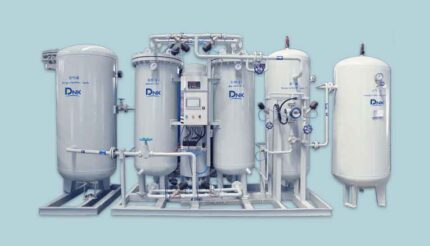
The core unit comes pre-assembled on a base. It takes up little space. Setup time is brief. This approach eases putting it in place. It also lowers the full cost of building support structures.
Advantages Over Traditional Supply Models
Elimination of Intermediate Steps
By making gas right on location in ready-to-use shape, DINAK’s system drops the need for cooling plants, holding tanks, or heating devices. It avoids the extra gas pressing gear, too. This raises safety levels. It meets various high-pressure needs for oxygen and nitrogen in current chemical work. Take a synthesis line: no more waiting for tank refills, just steady flow.
Enhanced Supply Continuity and Reliability
Creating gases where they’re used cuts risks from delivery lags or empty storage. The setup runs with high automation. The system operates with high automation, stable control logic, and minimal manual intervention. So, it needs less hands-on work. Uptime becomes more certain. This suits factories that never stop.
Purity Control and Customization
The DINAK Gaseous ASU can adjust to hit tough purity standards—like nitrogen at 99.999%. It’s highly flexible and fits many uses. Users can tweak gas type, purity, and amount based on their setup. Monitoring in real time keeps quality steady to match process rules. In metal treatment, this means consistent atmospheres that avoid oxidation flaws.
Integration with Industrial Gas Networks
Direct Pipeline Supply Capability
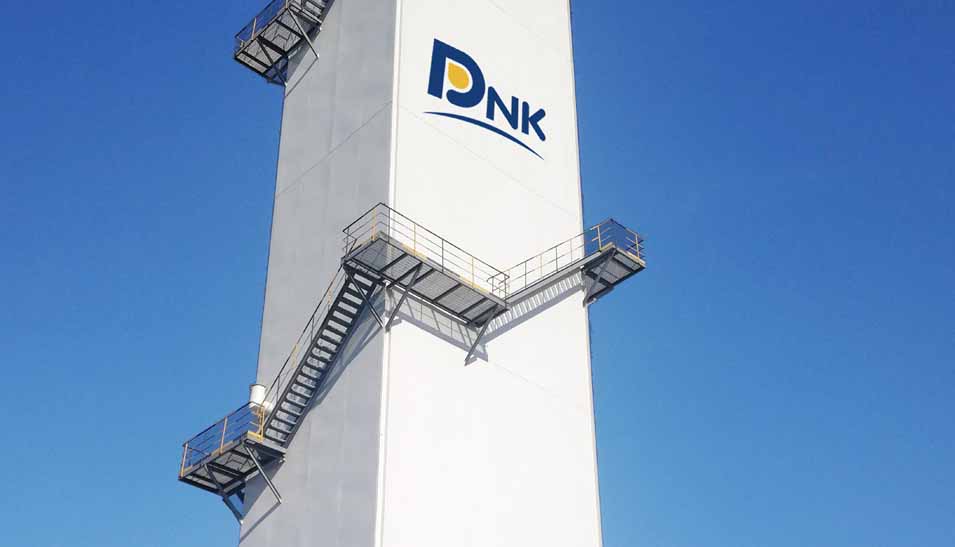
The DINAK Gaseous ASU links right into current pipe systems. It hooks up to plant pipes without extra changers. This simplifies the whole arrangement. Startup happens fast, unlike older methods. A typical integration might take days, not weeks, for a full chemical site.
Compatibility with Process Gas Requirements
For big oxygen flows in burning processes or super-clean nitrogen in shielding tasks, DINAK matches exact demands in various fields. The output covers wide volumes. Pressure range is broad. It handles changes in production easily. If a glass maker ramps up: the system adjusts smoothly without compromising pressure stability or gas purity.
Optimal Application Scenarios for Gaseous ASU
Chemical Synthesis Processes
Chemical sites need ongoing oxygen or nitrogen at a set purity to keep reactions on track. The Gaseous ASU handles this with instant delivery fitted to each step. In a fertilizer plant, for example, it supplies nitrogen steadily, avoiding reaction stalls that cost hours of output.
Metal Heat Treatment Facilities
During heating or hardening, steady gas mixes matter a lot. DINAK provides shielding or active gases at even rates. This upholds metal quality and uniformity. For an auto parts maker, it ensures parts meet specs every run, even cutting scrap in some cases.
Electronics Manufacturing Environments
Chip-making rooms call for very pure nitrogen to stop dirt buildup. It offers a clean shield for making solar silicon and battery parts. DINAK systems supply this without added cleaning steps. In a semiconductor fab, this reliability means fewer defects, boosting yield rates noticeably.
System Efficiency and Operational Benefits
Energy Efficiency Gains from the Direct Use Model
A big plus is skipping the power-heavy cooling and heating loops. The ultra-low-pressure method saves energy. It uses smart heat flow plans and strong packing. Thus, the intake compressor runs at lower pressure. Overall power use drops. This ties straight to smaller running bills.
Lower Total Cost of Ownership (TCO) Over Time
Less reliance on shipping setups and fewer parts like heaters or trucks means lower upkeep bills. It uses forward-thinking process plans. Equipment runs with low power draw. You get solid performance plus lasting money savings.
Scalability for Large Industrial Sites
DINAK’s build-block style lets you add capacity as needs rise—without swapping the main setup. The pre-assembled base holds the core gear. It needs a small ground area. Moving and placing on-site is easy.
Conclusion: Positioning DINAK Gaseous ASU as a Strategic Investment
The DINAK Gaseous ASU suits spots where stops hurt badly, purity comes first, and smart running builds gains. Adding our Gaseous ASU to your gas lines gives a solid supply path. It also trims running costs and green effects. This sets your site up for ongoing wins.
With more than 20 years of experience in crafting better gas separation tech, our team at DINAK knows factory details well. We draw on broad, one-of-a-kind know-how. We team up with clients worldwide to build fits for their setups. These boost output, running smarts, and setup lifespan.
FAQ
Q: What industries benefit most from DINAK’s Gaseous ASU?
A: Industries such as chemical processing, metal treatment, electronics manufacturing, glass production, and any facility requiring continuous high-purity oxygen or nitrogen are ideal candidates for DINAK’s Gaseous ASU.
Q: How does a gaseous ASU differ from traditional liquid gas supply systems?
A: A gaseous ASU delivers gases directly in their usable form without requiring liquefaction or re-gasification steps. This eliminates intermediate stages like transport tanks or vaporizers and significantly reduces energy consumption.
Q: Can DINAK’s Gaseous ASU be integrated into existing pipeline networks?
A: Yes. DINAK’s systems are specifically engineered for direct connection to factory pipeline infrastructure, ensuring seamless integration with minimal modifications.
Q: Is the DINAK Gaseous ASU scalable?
A: Absolutely. Our modular system design allows you to expand capacity over time without replacing core components—ideal for growing production environments.
-430x247.jpg)
内页小-430x246.jpg)