The world of industrial gases is changing quickly these days. It calls for better ways to produce and manage gases. If you supply a big steel mill or run a local network for liquid gases, picking between a gaseous ASU and a full liquid ASU plant matters a lot.
At DINAK, we focus on building and improving full sets of gas separation equipment. We develop and refine gas processing, separation, and liquefaction technologies. This helps our partners do well in their work.
Primary Goals for Industrial Gas Production
Our goal is to provide tailored air separation solutions that enhance production efficiency, minimize operational waste, and ensure long-term reliability throughout the plant's lifecycle, using advanced separation and liquefaction technologies. In each job, we stress the dependability of parts like the heat exchanger. Its selection is key to good performance and steady work.
Analyzing the Gaseous ASU for Continuous Supply
Many factories rely on a constant stream of gas products to keep going. Here, the gaseous ASU shines. It links production rights to use.
High-Volume Efficiency and Low-Pressure Processes
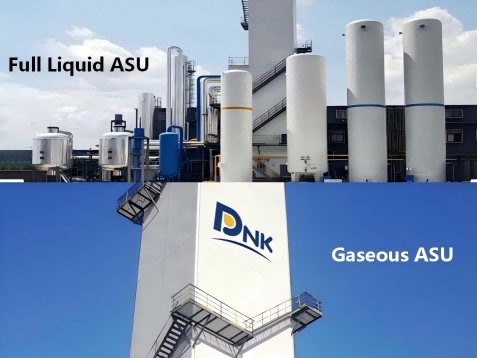
A gaseous ASU is ideal for facilities with consistent base load requirements for oxygen, nitrogen, and argon production. At DINAK, we offer several improved methods for the gaseous ASU. These include very low-pressure methods that lower running pressure. This, in turn, cuts the plant's power needs. Such systems work best in big operations. Even a tiny gain in efficiency saves a lot of money over time.
Optimizing On-site Pipeline Gas Delivery
When gas is used on-site through pipes, you skip liquefaction and special storage. Our large-scale ASU can adjust to various conditions for the best on-site flow. Industries like steel production or chemical refining need huge amounts of oxygen and nitrogen all the time. For industries with continuous high-volume demands, a gaseous ASU equipped with integrated internal compression ensures consistent pressure regulation and reliable gas supply. Projects like our KDONAr-8200/8900/280 show this. They provide a smooth, high-volume supply.
Benefits of a Full Liquid ASU Plant
Gaseous supply works well for on-site jobs. But many companies need the options that liquid products bring. The full liquid ASU Plant fits that need perfectly.
Strategic Flexibility in Storage and Distribution
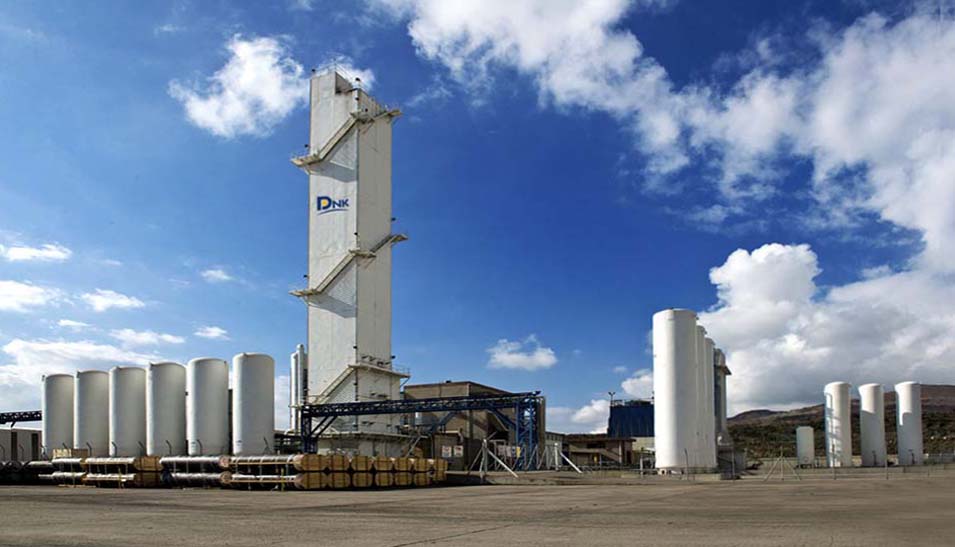
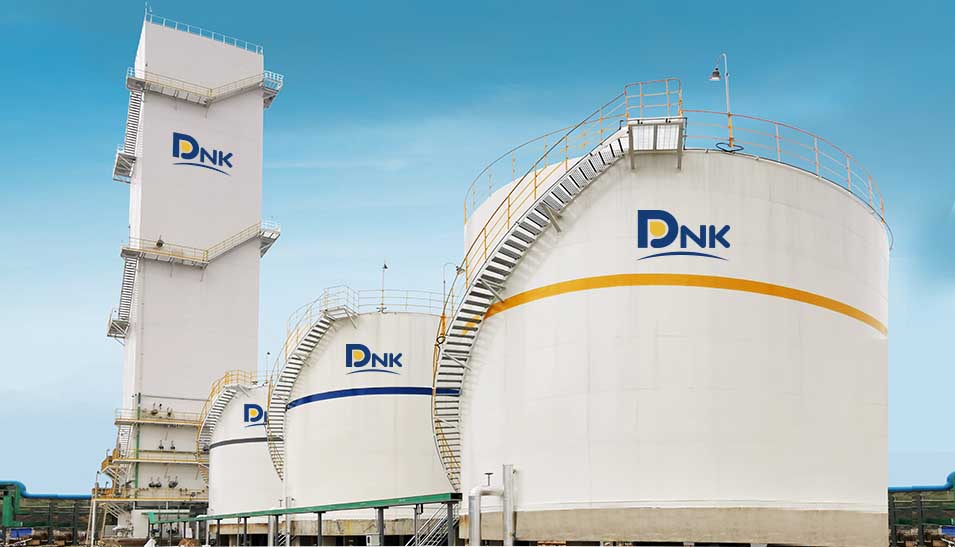
A full liquid ASU plant makes liquid oxygen and liquid nitrogen straight away. One major advantage of liquid gases is their high volumetric density, which allows for more compact storage and transportation compared to their gaseous counterparts. They take up far less room than gases. This makes storage and shipping much simpler. With a cryogenic liquid vacuum storage tank, firms can stockpile gas as a backup. It guards against supply issues in the chain. Plus, this lets businesses sell to local spots that lack their own plants.
Direct Production of Liquid Oxygen and Nitrogen
In a full liquid ASU plant, the setup pushes for maximum liquefaction. Our KDONAr-3000Y/4000Y/50 all-liquid air separation process uses a nitrogen cycle for pressure and turbines at high and low temperatures. This yields a lot of liquid. Such plants matter for electronic products, metal industries, or any spot needing gas on the move.
Comparing Performance and Investment Factors
Picking between gaseous and liquid output often weighs purity needs, size, and full ownership costs.
Purity Levels and Production Capacity Differences
Both gaseous ASU and full liquid ASU plants from DINAK make very pure gases. Yet, output size and form affect the plant's space needs. A large-scale ASU is typically deployed in large industrial facilities with substantial and continuous gas demands. In contrast, a small-scale ASU is designed for localized liquid production or specific gas applications, offering advantages in flexibility, rapid deployment, and reduced footprint.
Initial Capex vs Long-term Operational Costs
The initial capital expenditure for a full liquid ASU plant is higher due to the complex liquefaction and storage systems, such as the integration of cryogenic distillation and liquid storage tanks, which require advanced engineering for optimal performance and safety. But running costs can stay in check with DINAK's tailored service plans. We cut investment risks and boost returns via remote checks and fixes. These spot issues early, raising output and trimming daily expenses.
Selecting the Right DINAK Industrial Gas Solution
At DINAK, we see no single answer fits all in air separation. We team up with customers worldwide to craft what they need.
Large-scale ASU for Heavy Industrial Basal Loads
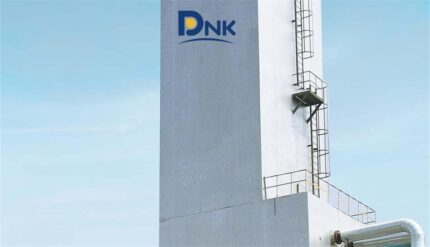
Heavy industries like chemical refining or coal processing need reliable base gas flows. Our large-scale ASU systems handle these tough spots. They use room-temperature molecular sieve adsorption and purification to keep things running long-term. These are the powerhouses of the field. They manage the huge volumes for the biggest plants.
Small-scale ASU for On-site Agility
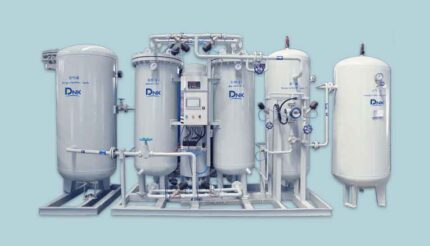
Not all sites call for a giant plant. The small-scale ASU gives a neat, effective choice for making gas right there. It avoids the large space of bigger units. These work great for targeted marketing or local small plants. If cryogenic methods aren't always needed, we provide PSA Oxygen Generator and PSA Nitrogen Generator systems. They rely on pressure swing adsorption for steady on-site gas.
Conclusion
Deciding on a full liquid ASU plants or a gaseous ASU shapes how well and profitably your operations run in the future. If you value steady high-volume supply from a gaseous ASU, or the storage and shipping ease of a full liquid ASU plant, DINAK brings the building skills and custom design to make it real.
With two decades of hands-on work and a wide array of items—from large-scale ASU units to cryogenic liquid vacuum storage tank options—we stand as your steady ally in gas processing, separation, and liquefaction.
Contact DINAK today for a customized consultation on your next air separation project and let us build the perfect solution for your gas strategy.
FAQ
Q: What is the main difference between a gaseous ASU and a full liquid ASU plant?
A: A gaseous ASU mainly makes oxygen, nitrogen, or argon as a gas for direct pipe use. It often uses very low-pressure methods to save power. On the other hand, a full liquid ASU plant targets liquid outputs like LO2 and LN2. These go into a cryogenic liquid vacuum storage tank for easy long-distance transport.
Q: Which type of ASU is more cost-effective for long-term operations?
A: It depends on how you deliver. For steady, large-scale on-site use, a gaseous ASU—like a large-scale ASU—usually has lower per-unit costs. This comes from skipping liquefaction power. But for serving many spots, a full liquid ASU plant gives stronger long-term gains.
Q: Can you customize an ASU for both gaseous and liquid output?
A: Yes, DINAK excels at fitting solutions to what customers require. Our team can plan internal compression or mixed methods—like in our KDONAr series—to mix gaseous supply with some liquid for reserve storage in a cryogenic liquid vacuum storage tank.
Q: How does the purity of the gas produced by your equipment compare?
A: Both DINAK gaseous and liquid plants use precise distillation columns for top purity. From a small-scale ASU to an Ultra Nitrogen Plant, our systems meet strict needs in electronics and metal work.
-430x247.jpg)
内页小-430x246.jpg)