What is ASU Technology?
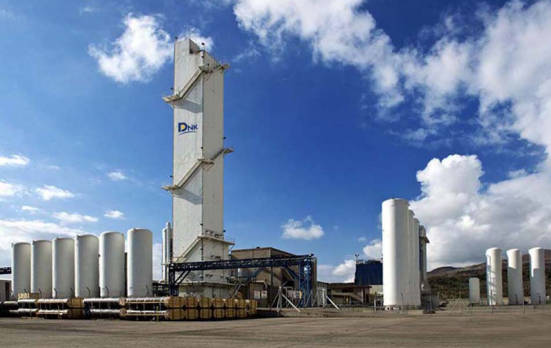
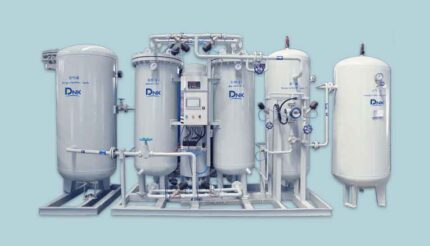
An Air Separation Unit (ASU) is an industrial system that separates atmospheric air into its primary gaseous components, mainly oxygen, nitrogen, and argon. It relies on cryogenic distillation to do this job. Air separation equipment forms a tricky factory system. Through the cryogenic distillation steps, it pulls out and makes high-purity products such as oxygen, nitrogen, and argon from plain air. These gases form the base for many business areas. They act as starting materials and key helpers in processes.
At DINAK, we focus on building and making a wide set of ASU systems. We shape them to fit different factory demands. We build answers that fit their exact wants.
Why ASU Matters in Industry
The steady flow of oxygen, nitrogen, and argon gives solid backing to several main factory fields. In steel plants, oxygen improves furnace work and lowers smoke output. Nitrogen works as a safe, non-reacting shield gas in chemical steps and electronics manufacturing. Argon takes a big part in joining metals and chip making. In advanced industries such as semiconductor and solar panel manufacturing, ultra-high purity nitrogen provides the inert environment required for contamination-free production. This is a spot where DINAK's technological innovations keep doing well. Take the our case in Indonesia: our ASUs have helped plants there meet the oxygen purity needs of 99.6% while overall energy consumption is 12-15% lower than traditional equipment in daily runs, based on client feedback from the last five years.
Air Compression Stage
Ambient Air Intake and Filtering
The ASU flow starts by sucking in regular outside air into the setup. The air needs early cleaning to clear out dirt, small bits, and oil traces. This stops dirt from spreading to later parts. DINAK uses strong early-clean systems that keep the air good and help delicate parts last longer.
Multi-stage Compression Process
After filtration, the air enters multi-stage compressors, where the pressure is gradually increased. This squeezing makes warmth, so cooling between steps helps keep the heat even.
Air Purification Process
Removal of Moisture and CO₂
Squeezed air goes into DINAK’s molecular sieve clean system. There, water bits, carbon dioxide, and oil traces get stuck. After the high-work air squeezer pushes it, the pre-compressed air then enters the room-temperature molecular sieve adsorption system to remove moisture, carbon dioxide, and hydrocarbon traces. It gives a fresh base for later cold splitting. These unwanted bits have to go because they can turn hard in cold temps. That leads to clogs and power waste in the warmth swap parts.
Achieving Ultra-Clean Feed Air
Clean starting air proves key for the best cold splitting. DINAK’s clean units get checked live to hold clean levels in tight limits. This sets up high clean gas output later on.
Cryogenic Cooling System
Cooling to Liquefaction Temperatures
To turn air parts into liquid, the cleaned air must drop to very low temperatures. It uses spin turbines and warmth swappers. The expansion turbine provides the refrigeration necessary for the cryogenic air separation process. It acts as a main drive part for keeping a steady, low-temperature space and firm splitting.
Maintaining Stable Cryogenic Conditions
Holding cold temps calls for a top-notch wrap-around shield in the whole setup. DINAK picks special vacuum-wrapped pipes and holders to cut down on heat loss and keep work even. Temp sameness matters for good state shifts and splitting in the boil tower.
Low Temperature Distillation Column
Nitrogen, Oxygen, and Argon Separation
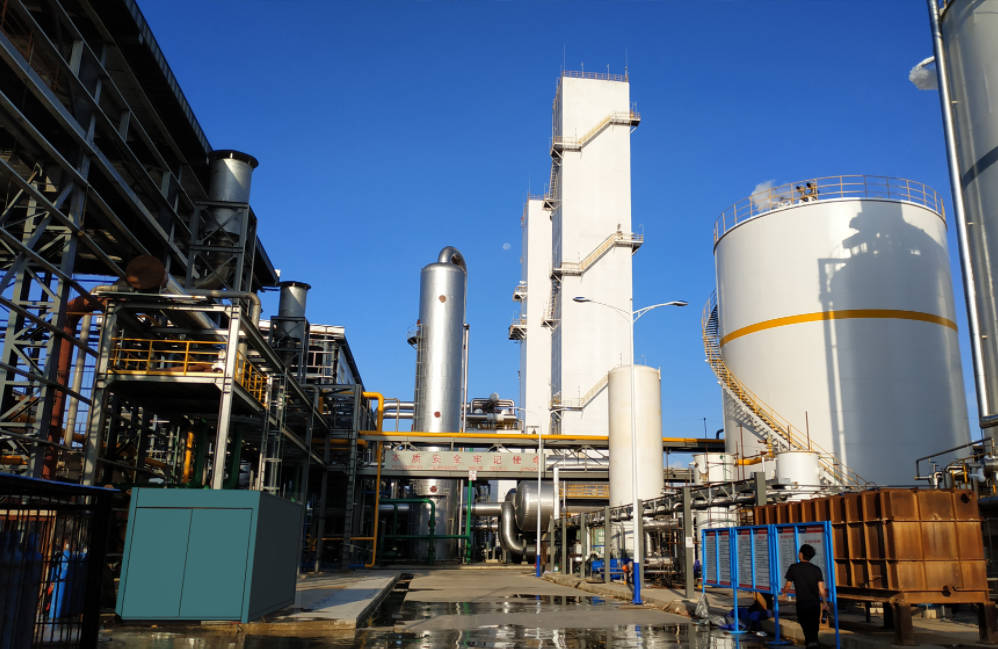
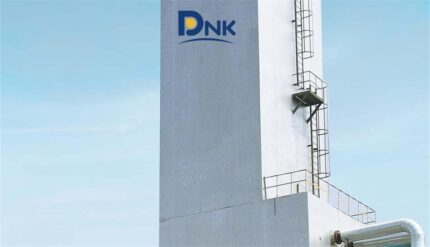
In the split part, turned-to-liquid air goes into a two-tower boil unit. There, gases get pulled apart by their different boiling points. The liquefied air enters a double-column cryogenic distillation system, where nitrogen, oxygen, and argon are separated based on their respective boiling points under controlled temperature and pressure. DINAK’s boil towers aim for top separation while keeping a small space take—a main plus in Large-Scale ASU setups.
Rectification and Reflux Control
Good cleanup comes from handling the backflow share—the mix of rising steam against falling liquid. They use live back loops for the best gas cleaning.
Product Extraction and Storage
Gas Withdrawal Techniques
After the separation process, cleaned gases get withdrawn in liquid or gas form, based on what the job needs. Heaters and coolers help recover the product efficiently from the bottom and top of the distillation column.
Storage and Delivery Systems
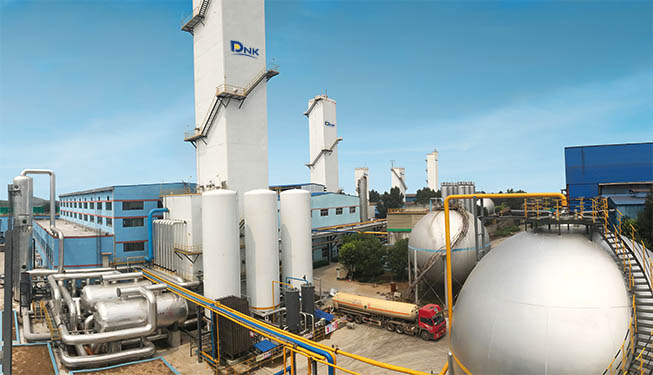
For holding, DINAK gives Cryogenic Liquid Vacuum Storage Tanks. They use a two-layer wrap for low loss from boiling. Warm-up units change held liquids to ready gas when called for. These tanks fit factories needing big gas loads or flexible sending.
Energy Efficiency Considerations
Reducing Power Consumption in ASU Systems
DINAK emphasizes energy efficiency through optimized gas flow design. By adopting advanced flow channel engineering and enhanced thermal coupling optimization, the energy consumption per unit of exhaust gas is significantly reduced compared to industry averages. The expansion turbines recover energy from unexpanded streams and feed it back into the system, improving overall efficiency.
High-efficiency and Energy-saving Design
Our systems are designed with high-efficiency and energy-saving principles. By optimizing pressure gradients and improving flow dynamics, resulting in potential annual electricity savings of several million kWh. That proves extra key for big setups like our KDONAr-42000/40000/1200 setup. Since 2018, we've seen this save clients up to 20% increase in heat recovery system efficiency in tropical environments.
Safety and Automation Features
Built-in Safety Protocols
DINAK adds safety parts like push-release valves, oxygen check sensors, and auto quick-stops to meet international safety standards and ASME safety rules. The main unit is made with good materials and tested steps. This makes the gear tough and steady for years of straight runs.
Smart Monitoring and Remote Control
Our control setups are based on an Intelligent Distributed Control System (DCS/PLC), enabling real-time monitoring of key parameters. Remote supervision allows early detection of potential issues and faster assessment of equipment status. Integrated automatic early warning and protection functions help prevent unexpected downtime. This intelligent system ensures continuous, round-the-clock factory operation with higher reliability and efficiency.
Conclusion
DINAK keep working on air pre-treatment, separation(cryogenic distillation), liquefaction technology(cryogenic heat exchange and liquefaction). By mixing new thoughts with tested build ways, We bring ASUs that shine in power savings, run trust, and produce clean. Every installation is customized to meet local regulations and specific client needs, ensuring exceptional reliability with an operational stability rate of 99.5%. With more than 20 years of expertise and over 300 successful installations, no matter if you need a small-scale ASU or a Full Liquid ASU, we offer custom gas solution and reliable after-sales that back green gas making worldwide.
FAQ
Q: What gases can an ASU produce?
A: An ASU typically produces nitrogen, oxygen, and argon. Some advanced systems may also extract rare gases like krypton or xenon.
Q: How does cryogenic distillation work in an ASU?
A: It separates air components based on their boiling points at very low temperatures using distillation columns.
Q: Why is air purification important before liquefaction?
A: Removing moisture and CO₂ prevents freezing blockages during cryogenic cooling and ensures product purity.
Q: What makes DINAK's ASU technology energy-efficient?
A: Features like advanced heat exchangers, smart controls, and energy recovery turbines reduce power consumption.
Q: Can an ASU operate continuously?
A: Yes, modern ASUs are designed for continuous operation with automated controls ensuring stable output 24/7.
-430x247.jpg)
内页小-430x246.jpg)