The current industrial landscape depends on pure gases. These include oxygen for steel production and pure nitrogen for electronics manufacturing. As companies aim for better output and reduced costs, the need for reliable, large-volume gas supplies grows steadily. At DINAK, our team has dedicated more than two decades to refining gas processing, separation, and cooling methods. Our modern Air Separation Systems apply cryogenic techniques to reach very low temperatures. This process enables precise separation of atmospheric air into oxygen, nitrogen, and argon. In this post, we look at how DINAK uses cryogenic methods to deliver strong oxygen, nitrogen, and argon options to major industries around the world.
Principles of Cryogenic Air Separation Systems
The Science of Fractional Distillation
Cryogenic air separation stands as the proven and effective way to generate pure industrial gases in large quantities. It depends on fractional distillation, which exploits the varying boiling temperatures of air's parts. We cool the air until it turns liquid. Then, we separate nitrogen, oxygen, and argon as each component vaporizes at its respective boiling point in a fractionating column. At DINAK, our cryogenic distillation columns precisely control heat and mass transfer processes with solid performance.
Achieving Liquefaction Through Extreme Cooling
The separation starts by changing air to liquid form. We reach this via several compression and cooling steps. Our systems draw on basic thermodynamics to cut down the power consumption required for cryogenic operating temperatures.
Harnessing Boiling Point Differences for Purity
The key strength of our Air Separation Systems occurs inside the distillation column. Nitrogen boils at a lower point than oxygen, so it turns to vapor first and moves upward. Oxygen, meanwhile, stays liquid and shifts downward. We control pressure and temperature changes carefully. As a result, we pull out high-purity industrial gases. This supports sectors like electronics and pharmaceuticals that demand strict gas standards.
Core Processes in DINAK Gas Liquefaction
High-Efficiency Air Compression and Pre-cooling
Each DINAK setup starts with a strong air compression unit. It supplies a stable flow of filtered ambient air. After that, air goes into a pre-cooling device. There, it gets initial cooling to remove moisture from the compressed air stream and boost the success of later cleaning stages. This part matters a lot. It shields sensitive parts further along and helps the plant last longer.
Advanced Molecular Sieve Adsorption Purification
To secure the quality of end products and protect the cold parts, the compressed air must undergo advanced purification. Our molecular sieve purification system removes traces of water, carbon dioxide, and other organics thoroughly. Thus, it delivers a pure, dry input to the fractionation tower. This avoids ice buildup from impurities that might clog the heat exchangers.
DINAK Solutions for Industrial Gas Demand
Large-Scale ASU for Heavy Industrial Clusters
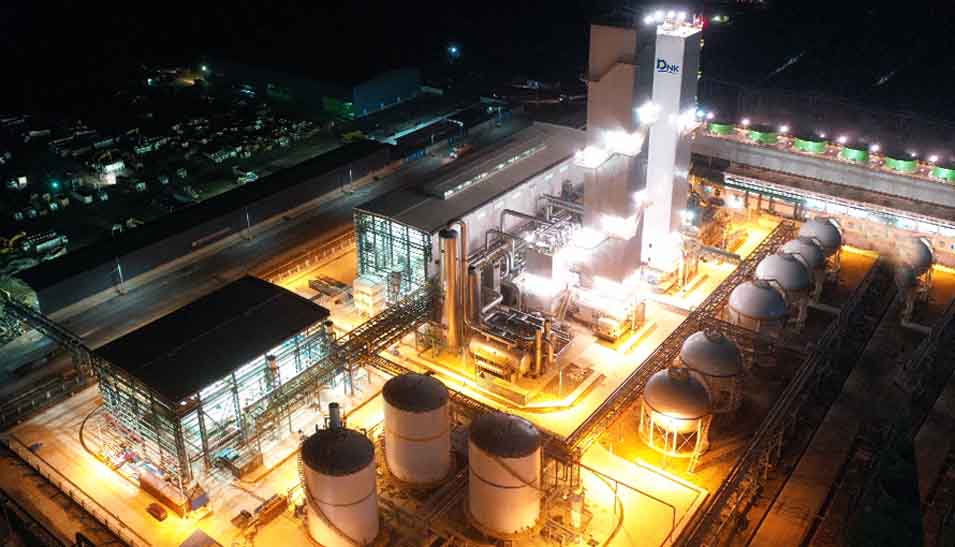
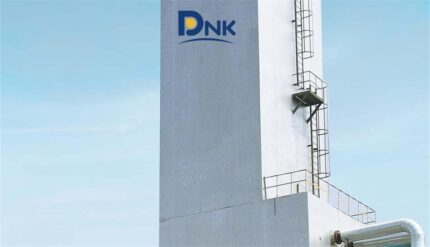
Heavy users like steel plants and big chemical sites need vast amounts of gas. For them, our Large-Scale ASU fits perfectly. These combined units run nonstop around the clock. They produce oxygen, nitrogen, and argon together. We tailor each Large-Scale ASU to match the site's conditions and power targets.
Full Liquid ASU for Flexible Storage
If the main aim is to make movable liquid gases, our Full Liquid ASU works well. These plants focus on creating liquid oxygen, liquid nitrogen, and liquid argon. This approach suits gas supply ventures or sites serving scattered buyers.
Small scale ASU for Specialized On-site Needs
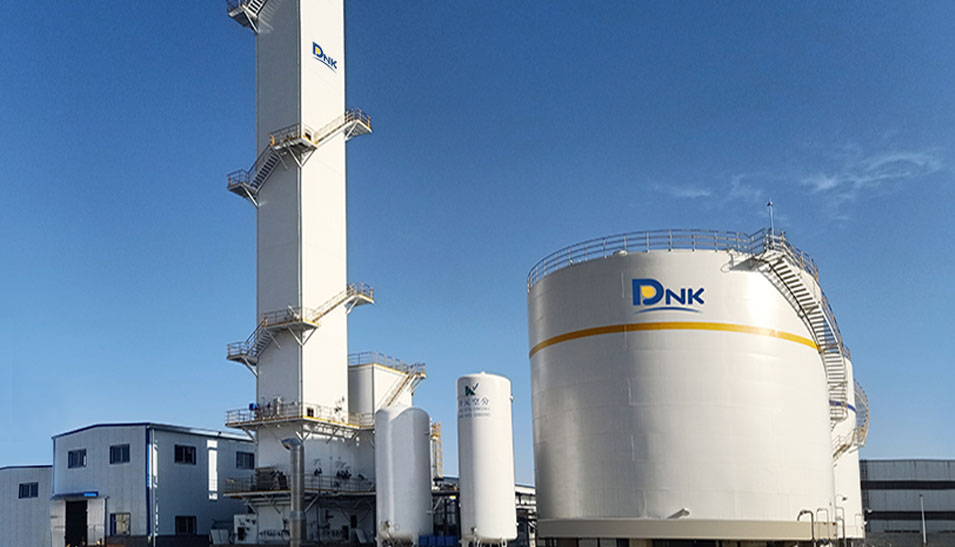
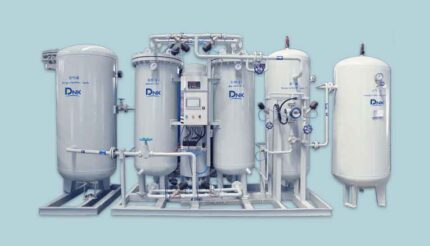
Sites with tight space or modest needs benefit from the Small scale ASU. It offers a small, capable on-site gas maker. These are often mounted on skids for quick setup and simple fitting.
Engineering Innovations for Maximum Efficiency
Internal Compression Technology for High-Pressure Output
Older setups often need outside pumps for high gas pressures. That increases maintenance requirements and operational safety risks. Our Gaseous ASU uses internal compression technology instead. Cryogenic liquid pumping increases pressure within the cold box before vaporization. This meets demands for high-pressure gas in chemical work. It also streamlines the overall design.
Hydrogen-Free Argon Production Through Full Distillation
Argon is an important noble gas used in multiple industrial applications, yet getting it can prove tricky. DINAK applies a hydrogen-free argon purification through full cryogenic rectification. This way is safer and uses less power. It directly gives pure argon. Such a process excels in fields like silicon crystal growth and unique welding tasks.
Strategic Value of Liquefied Gas Production
Reducing Logistics Risks with On-site Liquefaction
Making liquids on-site cuts dependence on outside shipments. Those can face price swings and delivery problems. Fitting a Full Liquid ASU or Small scale ASU gives full command of gas needs. It boosts site safety and steady work.
Supporting Diverse Global Industry Applications
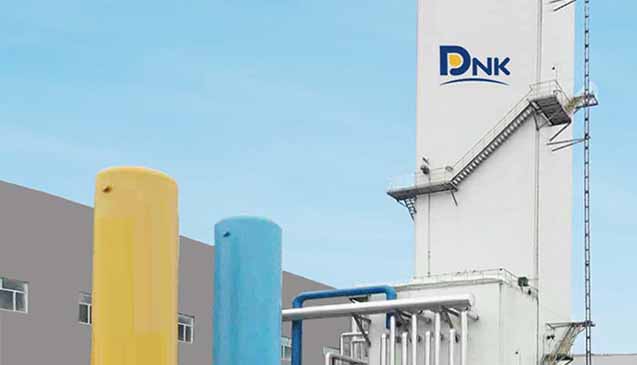
The range of DINAK's Air Separation Systems lets us aid many worldwide areas. Our custom setups operate in many nations.
Comprehensive Lifecycle Support by DINAK
Intelligent Remote Monitoring and Fault Diagnosis
We see equipment sales as just the start of our work together. DINAK offers round-the-clock Remote Monitoring and Diagnostics. It keeps your plant running at full strength. The system spots troubles early, before they halt work.
Proactive Maintenance and Original Spare Parts
For lasting steadiness, we supply full maintenance plans suited to your site. Our Spare Parts Management group provides approved, factory-original pieces.
Conclusion
Moving to more effective and green gas making rests on steady advances in cryogenic methods. Picking DINAK as your ally brings years of skill in Air Separation Systems. These systems produce well and fit your power and purity needs. Our focus on deep cryogenic distillation means stable, affordable output. Whether for liquid oxygen in metal work or pure nitrogen in chemicals, ensuring long-term operational reliability and scalability. DINAK stays ahead by changing air into essential industrial gases that support modern manufacturing and infrastructure development.
Interested in optimizing your gas production? Contact DINAK today to discuss how our cryogenic air separation systems can enhance your efficiency.
FAQ
Q: What is the principle of cryogenic air separation?
A: Cryogenic air separation cools air to very low temperatures until it liquefies. In liquid form, parts like oxygen, nitrogen, and argon are separated in a fractionating column by their boiling points. DINAK employs advanced Air Separation Systems to handle this heat and mass shift with care.
Q: How does DINAK improve the energy efficiency of these systems?
A: We apply fresh methods like the ultra-low pressure energy-saving process. It cuts the pressure for air compression a lot. Our effective turboexpander cooling and internal compression technology also lowers power use. They make operations simpler, too.
Q: What industries benefit most from liquid gas production?
A: Industries such as steelmaking, petrochemicals, and electronics benefit from DINAK's Full Liquid ASU and Large-Scale ASU pure yields. Liquid gases aid medical oxygen lines and food cooling chains as well.
-430x247.jpg)
内页小-430x246.jpg)