The Role of ASUs in Industrial Applications
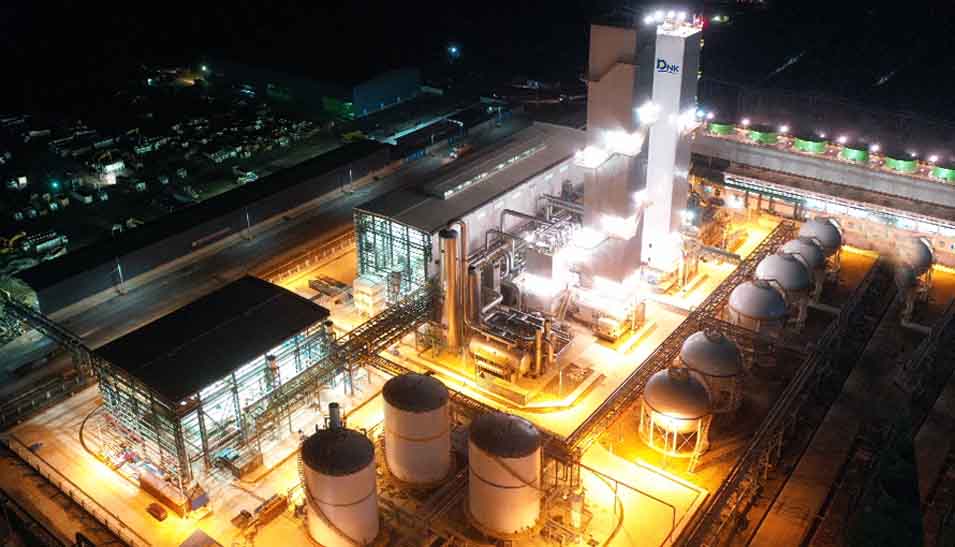
Air separation units (ASUs) form a crucial part of operations in many heavy and advanced industries. These setups allow the creation of key industrial gases like oxygen, nitrogen, and argon. They rely on cryogenic distillation and rectification processes to separate atmospheric air into high-purity oxygen, nitrogen, and argon. Such gases play vital roles in different fields. For instance, oxygen supports and enhances combustion processes in steelmaking operations. Nitrogen is widely used to create an inert atmosphere in electronics manufacturing and semiconductor processes. Argon serves as a protective gas during welding tasks.
DINAK brings more than 20 years of hands-on experience in building these systems. The company focuses on improving gas processing, separation, and liquefaction technology. Thanks to deep knowledge and distinct skills, we partner with clients globally. We develop solutions that fit their exact situations. These help improve production efficiency, reduce energy losses, and extend overall plant lifecycle.
Why Proper Selection Matters
Selecting the correct ASU involves far more than evaluating its nominal gas output capacity right away. It influences ongoing plant performance, running expenses, safety rules, and room for growth. A wrong choice might lead to high power use or poor results. This article looks at five main points to think about when choosing a DINAK industrial air separation unit.
Energy Consumption Efficiency
Importance of Energy Optimization
Power stands as one of the highest ongoing costs in ASU operations. Cryogenic processes are highly effective for producing high-purity industrial gases, but they demand a lot of energy. So, selecting a setup that saves power matters a great deal. It helps lower bills and eases pressure on the environment.
Factors Influencing Energy Use
A few design choices shape how much energy an ASU needs. Deciding between cryogenic and non-cryogenic methods makes a big difference. Cryogenic types fit best for big volumes and top purity levels. Non-cryogenic ones work for smaller jobs or less pure needs. The way compressors run, heat recovery through main heat exchangers, and smart control setups all affect electricity draw, too.
DINAK’s Approach to Energy Efficiency
Our units run on less power and handle energy better than most. We draw on optimized process configurations and advanced thermal integration to keep gas production costs well below industry benchmarks. DINAK adds proven elements like molecular sieve pre-purification and pressurized turbine expansion cooling to trim energy needs. Plus, the booster turbine expander delivers the cooling power the system requires. The booster turbine expander provides the required refrigeration duty, ensuring stable cold energy balance and reliable cryogenic distillation performance.
Gas Purity Requirements
Defining Gas Purity Standards
Different sectors set their own bars for gas cleanliness. Food plants call for very pure nitrogen to avoid spoilage. Going for higher purity than needed wastes power. Choosing too low risks, harming products, or breaking safety guidelines.
Matching Purity to Application Needs
A good ASU lines up with the exact purity your work demands. Take electronics assembly, for instance. It requires ultra-high-purity nitrogen with extremely low oxygen and moisture content to stop any dirt from ruining tiny parts during building.
How DINAK Meets Purity Demands
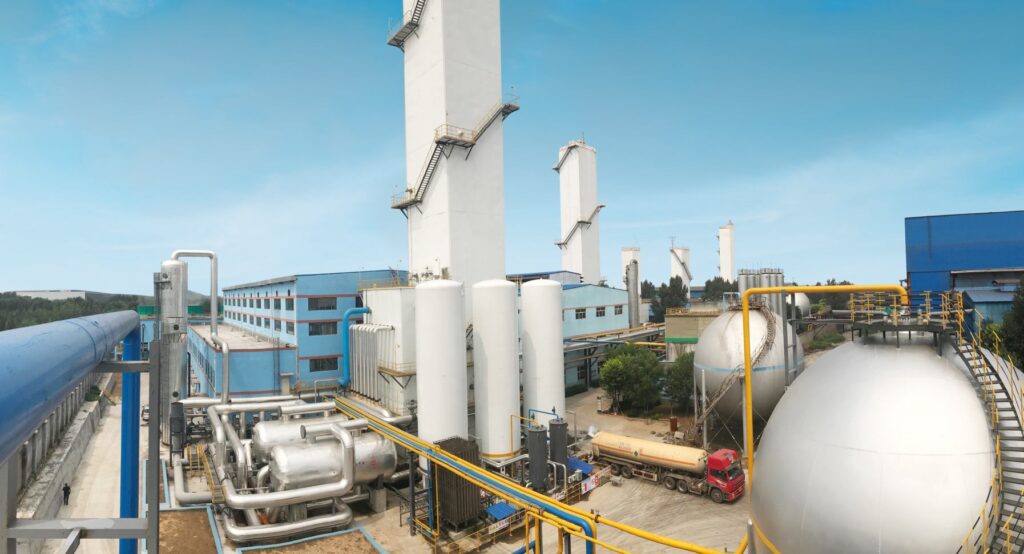
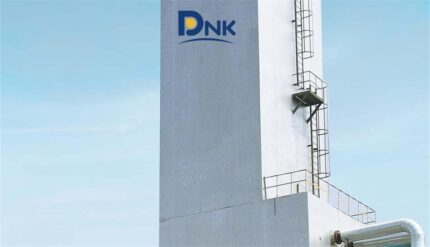
We focus on building setups that suit our clients' real conditions and power limits. DINAK’s Large-Scale ASU models eature key process equipment such as fractionation towers and dedicated argon distillation columns. These produce gases with top-notch purity. For argon recovery, we use a hydrogen-free, full cryogenic argon distillation process. It's safer overall, uses less power, and gives pure argon right away.
Space and Installation Constraints
Evaluating Plant Footprint Limitations
Many modern industrial plants are located in urban or space-constrained environments. There, the space needed for setup turns into a key issue. You have to check the size and arrangement options of the ASU carefully beforehand.
Compact Design Considerations
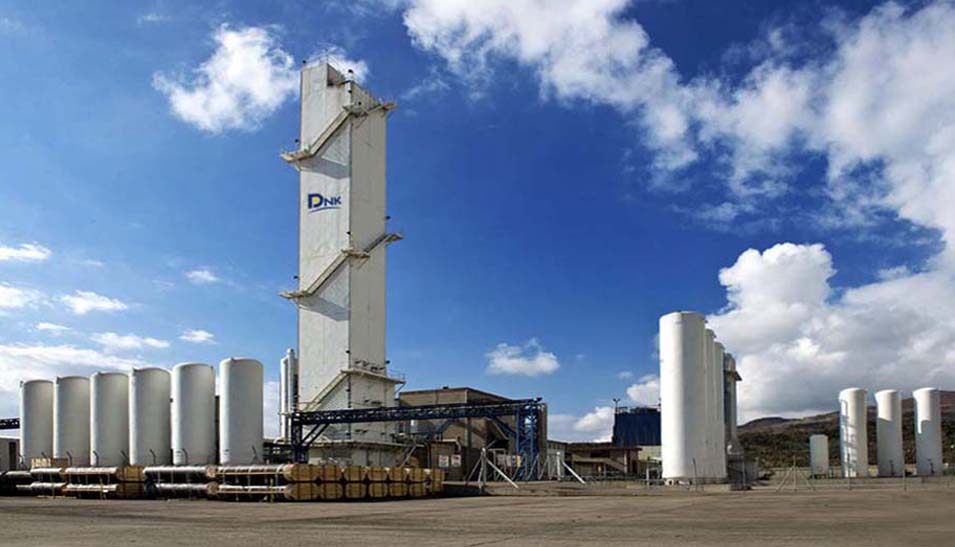
Units that come in modules or on skids suit cramped spots best. They allow faster installation and require fewer site modifications. Tall layouts save ground space too, without cutting output.
DINAK’s Space-Saving Solutions
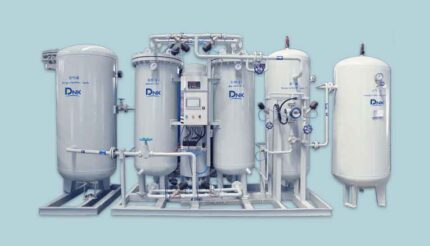
Our modular skid-mounted design means the main parts arrive ready on bases. This cuts site work and startup time sharply. It also trims building costs. DINAK’s small-scale ASU fits well in places with little room. Its tight build includes all key pieces in one package. These cover the air compressor, precooling unit, purification system, turbine expander, fractionation tower, and liquid oxygen pump.
Operational and Maintenance Costs
Understanding Lifecycle Costs Beyond Purchase Price
The upfront cost is only the start. Over time, expenses for replacement parts, labor, spare parts, and unplanned downtime can accumulate rapidly over the system’s lifecycle. They shape the full ownership price in big ways.
Reliability and Maintenance Intervals
Sturdy systems with longer check-up gaps cut surprise halts and keep work flowing. Easy reach to parts speeds up regular inspections, too. In industries such as metalworking, where downtime costs are particularly high, equipment reliability is a critical selection factor.
Cost-Efficient Operation with DINAK
DINAK builds ASUs to last with fewer service needs and options for distant checks. Our smart DCS/PLC controls let you watch things live and catch problems early. The DINAK Spare Parts Management team handles part sourcing and swaps smoothly. Comprehensive maintenance programs significantly reduce operational risk and total cost of ownership.
Flexibility for Future Expansion
Planning for Capacity Growth
Businesses often grow or shift products as they expand. The ASU has to adjust to higher needs without a full swap-out.
Modular Expansion Capabilities
Builds with add-on modules support step-by-step increases. This works great for steady rises or busy seasons. Such flexible plans avoid extra spending and keep the system useful longer.
How DINAK Supports Scalable Growth
Our units allow strong customization and fit many uses. You can change gas type, purity, and flow to suit your goals. DINAK’s Gaseous ASU includes tuned process types, like ultra-low pressure versions. These make later changes simple. The smart controls prepare for new tech or add-ons easily.
Conclusion: Aligning Technology with Operational Goals
Choosing an industrial air separation unit means more than buying gear. It's a smart move that touches all parts of your facility’s work. From power savings to growth potential, DINAK delivers custom ASU options. These give industries solid tech for lasting wins. High-quality goods and steady support after sales remain our core promise. We're here to back your site from start to end, covering planning, setup, upkeep, and growth.
FAQ
Q: What makes DINAK’s cryogenic ASU more energy-efficient than standard models?
A: Low energy consumption and high energy efficiency: Relying on advanced process design and thermal coupling optimization, the unit's gas power consumption is significantly lower than the industry average.
Q: Can DINAK customize gas purity levels for different industries?
A: Yes. Highly customizable and widely applicable: The type, purity, and output of the product gas can be flexibly adjusted according to user needs.
Q: How often do DINAK air separation units require maintenance?
A: DINAK designs ASUs with long maintenance cycles and remote diagnostics, reducing the frequency of service interventions.
Q: Is it possible to expand my existing DINAK ASU in the future?
A: Yes. Highly customizable systems from DINAK allow phased expansion through modular architecture.
Q: What type of ASU should I choose for limited installation space?
A: DINAK’s Small-scale ASU features a compact skid-mounted design that is particularly suitable for small to medium-sized applications with limited space and a stable gas supply.
-430x247.jpg)
内页小-430x246.jpg)