An Air Separation Unit should be planned around the balance of oxygen, nitrogen, and argon that an industrial site actually needs. The right product mix is determined by process duty, gas or liquid form, purity, delivery pressure, normal and peak demand, and the way the plant will operate. A balanced design gives downstream users dependable supply without treating a single capacity rating as the complete design basis.
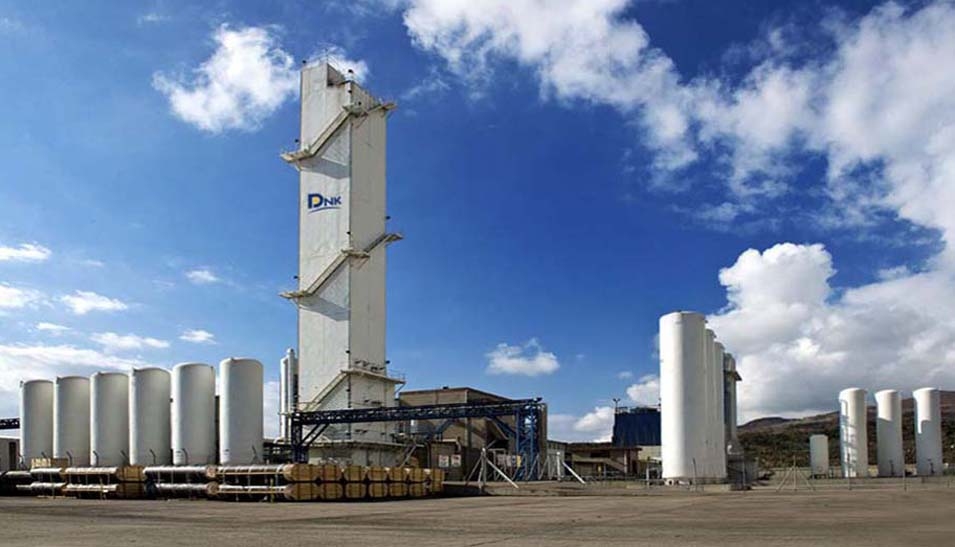
Understanding Product Balance in Industrial ASU Design
Oxygen Demand and Process Use
Oxygen demand is usually tied to a defined production duty rather than to the name of the industry alone. Metallurgical processes may need continuous oxygen at a stable interface, while chemical facilities may require oxygen for a specific process step. The design basis should state normal, minimum, and peak oxygen demand so the Air Separation Unit can be evaluated against the way the process actually runs.
Nitrogen Demand and Plant Protection
Nitrogen can support inerting, purging, sealing, and process protection across industrial plants. Its demand may not follow the same pattern as oxygen demand, so a shared capacity assumption can distort the required product ratio. Defining nitrogen users, operating schedules, and delivery conditions helps prevent a plant from producing a theoretical product ratio that does not match the actual site demand profile.
Argon and Other Industrial Gas Requirements
Argon is relevant where the process requires an inert atmosphere or a controlled refining environment, particularly in selected metallurgy duties. Argon requirements should be evaluated based on process needs and the overall ASU product configuration. These products should be treated as part of the complete Air Separation Unit product mix, not added as an afterthought once oxygen and nitrogen have already fixed the process arrangement.
Why Product Form Changes the ASU Design
Gaseous Products for Pipeline Consumption
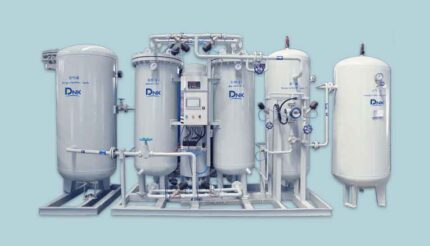
DINAK's Gaseous ASU solutions focus on oxygen and nitrogen delivered as gases to industrial users. This format can fit a plant with stable on-site demand and a connected pipeline network. The design still needs a clear product balance, because gas flow, purity, pressure, and load changes affect the overall process arrangement.
Liquid Products for Industrial Distribution
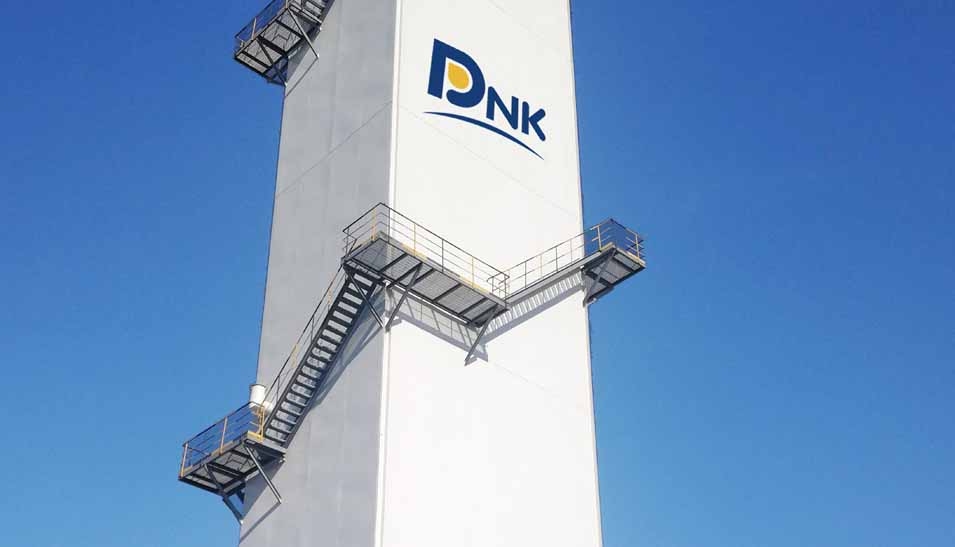
A liquid product configuration is different from direct pipeline supply. When liquid oxygen, nitrogen, or argon is central to the operating model, the Air Separation Unit must be assessed around the required liquid product mix and its industrial distribution pattern. This is a product-form decision, not simply a request for extra output from a gaseous plant.
Mixed Product Requirements
Some industrial sites need gaseous products for continuous process users while also planning liquid output for other duties. In that case, the specification should separate base gas demand, variable demand, and liquid requirements. A clear split makes it easier to compare suitable process arrangements and to avoid assuming that every product can be used in the same delivery route.
How Industrial Plants Define an Air Separation Unit Product Mix
Normal and Peak Demand
Average consumption alone is not enough for an industrial ASU. Engineers should identify minimum, normal, and peak demand for each product, then note which users operate simultaneously. This profile helps distinguish a steady base load from short-duration peaks and gives the supplier a practical basis for evaluating load adjustment.
Purity and Delivery Pressure
Purity and pressure should be stated at the point where oxygen, nitrogen, or argon enters the process. A value at the ASU outlet may not be the same as the condition available at a distant user after pipeline losses and control requirements. The Air Separation Unit should be matched to the actual interface rather than to an isolated target.
Operating Continuity and Load Variation
The operating profile influences how the plant responds to changing production. A continuously running facility may prioritize stable product delivery, while a multi-user industrial gas operation may need a broader view of demand timing. Site climate, altitude, utilities, installation space, and automation requirements also belong in the same design basis.
Product Balance Across Key Industrial Applications
Steel and Non-Ferrous Metallurgy
Steel and non-ferrous metallurgy can require oxygen, nitrogen, and selected argon duties within one production environment. Oxygen demand may be concentrated at major process units, while nitrogen supports plant protection and auxiliary operations. The Air Separation Unit should therefore reflect simultaneous consumers, process pressure, purity, and any planned liquid coproducts.
Chemical and Petrochemical Production
Chemical and petrochemical plants may use oxygen in process operations and nitrogen for inerting, purging, or maintaining controlled conditions. Their product balance can change with campaign production and operating schedules. Defining each gas user and its interface gives DINAK a more useful basis than a generic industry label.
Industrial Gas Supply
An industrial gas production site may need a deliberate balance between gaseous pipeline supply and liquid products for distribution. The planning focus includes the product mix, withdrawal pattern, distribution model, and demand variation across customers. A product balance built from real industrial demand is more useful than assuming one standard oxygen-to-nitrogen ratio.
Selecting the Right DINAK ASU Configuration
Match the Product Family to Demand
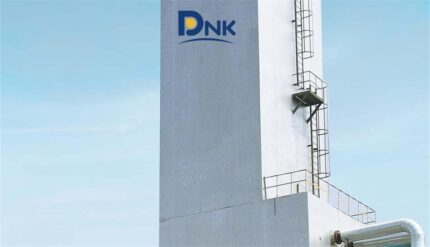
DINAK's Large-Scale ASU solutions address high-capacity industrial gas requirements, while gaseous and full-liquid product families address different output forms. Different ASU configurations serve different industrial demand profiles. The selection should follow the required products, operating pattern, and site role rather than a single size label.
Consider Site and Utility Conditions
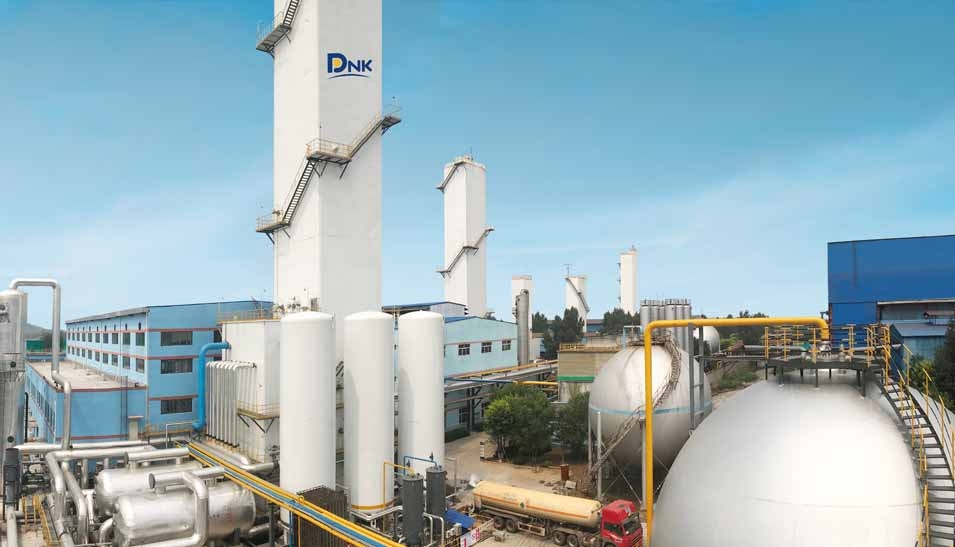
Air intake conditions, cooling arrangements, utilities, installation space, pipeline routing, and expected load changes can affect how the product balance is delivered. The same oxygen-to-nitrogen product ratio may require different process configurations depending on site conditions and operating requirements. These conditions should be stated before the process arrangement is finalized.
Connect Engineering With Plant Operation
DINAK's engineering and project services include engineering, project management, construction, assembly, and staff training. Bringing operational requirements into the design discussion helps align the Air Separation Unit with product interfaces, utilities, and operator responsibilities. Customization should follow documented project conditions without assuming a universal configuration.
Conclusion
Product balance is the practical link between an Air Separation Unit and the industrial processes it supports. Oxygen, nitrogen, argon, product form, purity, pressure, demand variation, and site conditions should be planned together so the selected system reflects real operating duties. DINAK's product families provide a structured starting point for matching industrial gas production with the role of each plant.
Explore DINAK's industrial air separation solutions to align your product mix with the operating needs of your facility.
FAQ
Q: What is product balance in an Air Separation Unit?
A: Product balance is the planned relationship among oxygen, nitrogen, argon, and any required gaseous or liquid products. It includes the flow, purity, pressure, and demand pattern for each product. A balanced design reflects how the plant will actually consume or distribute the products instead of relying on one general capacity figure.
Q: Why do oxygen and nitrogen demand ratios matter?
A: Oxygen and nitrogen users often operate at different flows and schedules. If the ratio is assumed rather than defined, the Air Separation Unit may not align with the site’s simultaneous demand, pressure, or purity requirements. Mapping each major user gives engineers a clearer basis for process selection and plant integration.
Q: Can an ASU produce both gaseous and liquid products?
A: Some projects may require both gaseous and liquid products, but the required balance must be established during engineering. The specification should separate continuous pipeline demand from liquid output and variable demand. DINAK can then assess the product family and process arrangement against the documented industrial operating profile.
Q: What information is needed to plan an industrial ASU product mix?
A: Define oxygen, nitrogen, and argon requirements; gaseous or liquid form; normal, minimum, and peak flow; purity; delivery pressure; operating schedule; site conditions; utilities; installation space; and downstream interfaces. These inputs allow DINAK to evaluate the Air Separation Unit as an integrated industrial gas system.
-430x247.jpg)
内页小-430x246.jpg)