What Are Cryogenic Storage Tanks
Cryogenic storage tanks are custom-built containers made to keep liquefied gases at very low temperatures, usually under -150°C. These tanks matter a lot in fields like industrial centralized gas supply, LNG peak shaving station and other projects. That's because they can safely contain tricky substances such as liquid oxygen, nitrogen, argon, and liquefied natural gas. Cryogenic liquid vacuum storage tanks, typically designed for low-pressure storage, rely on high-vacuum multi-layer insulation to safely store and transport cryogenic liquids.They rely on high-vacuum multi-layer insulation technology. These tanks include an inner tank, an outer tank, and a precise piping system.
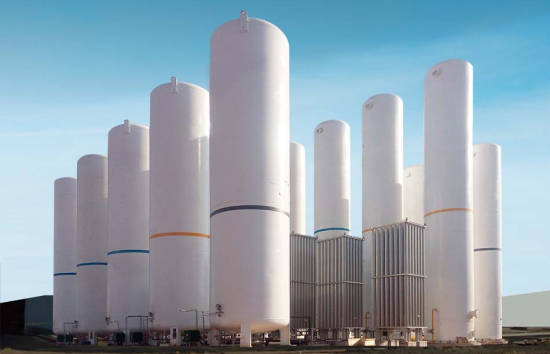
At DINAK, our cryogenic tanks follow strong engineering basics. We focus on toughness, good insulation, and safe running in tough spots.
Importance of Safety in Cryogenic Storage
These include rapid pressure build-up due to boil-off of the cryogenic liquid and materials becoming brittle at extremely low temperatures. DINAK tackles these issues with careful engineering steps and by matching worldwide safety rules. Designed and manufactured in strict accordance with pressure vessel specifications, using high-quality materials and exquisite craftsmanship, ensuring the product is safe, reliable, and durable throughout its entire life cycle. This approach keeps storage solid over the years of use.
Structure and Design of Cryogenic Tanks
Double-Walled Vacuum Insulation
A main feature of DINAK’s cryogenic tanks is their double-walled setup with a vacuum space in between. The inter-layer holds effective insulation material and stays in a strong vacuum. This creates a solid block against heat. It cuts down heat coming in through direct contact, air currents, and light rays. As a result, the tank sees a very low daily evaporation rate. This setup not only cuts heat movement but also keeps boiling losses small. It helps save costs over long storage periods. Take our Model CFL-200: our tanks reduced daily evaporation rate to as low as 0.13%, reducing refills and ensuring a steady supply, which meant fewer refills and a steady supply.
Pressure Control Systems
DINAK adds smart pressure control tools to handle the inside tank pressure well. The built-in pressurization and depressurization system can automatically regulate the pressure in the inner tank, ensuring the stability and continuity of gas supply and reducing manual intervention. Pressure relief system ensures safe operation under overpressure or emergency conditions. These tools play a vital role in keeping things safe. They work even as the tank goes through filling or emptying rounds. For instance, in a welding shop, this system kept gas flow even during peak hours, preventing shutdowns that could halt production lines.
Tank Orientation: Vertical vs Horizontal
DINAK makes tanks in vertical and horizontal styles to fit various needs. Vertical cryogenic tanks, utilizing high-vacuum insulation technology, integrate high vacuum insulation, multi-layer shielding, and optional self-pressurization systems for industrial use. Vertical tanks work best in fixed factory areas with little floor space. On the other hand, horizontal tanks provide more stability when shipping them. They suit moving or truck-based tasks better. From our projects, vertical units fit tight urban energy sites, while horizontal ones ease delivery to remote factory, saving time on setup.
Materials Used in Construction
Austenitic Stainless Steel Properties
DINAK picks the top Austenitic stainless steel, like S30408, to build the inner tank, with it excellent low-temperature toughness and corrosion resistance. The main body of the gas cylinder is made of high-quality Austenitic stainless steel, possessing excellent low-temperature toughness, corrosion resistance, and mechanical strength. This material holds up well under cold stress. It avoids getting brittle or open to rust.
Insulation Materials Inside the Tank Wall
In the vacuum area between inner and outer walls, DINAK combines expanded perlite with reflective multi-layer insulation (MLI).Achieving industry-leading low daily evaporation rates. These parts team up to hold steady inside temperatures and cut energy waste as time goes on.
Safety Standards and Compliance
International Standards Followed by DINAK
DINAK sticks to well-known safety rules when designing and building its cryogenic storage tanks. Designed and manufactured in strict accordance with pressure vessel specifications. Their products conform to both ASME Boiler & Pressure Vessel Code standards and European requirements, ensuring international usability and compliance. This match lets users operate them anywhere without extra hurdles.
Quality Control During Manufacturing
Each DINAK’s cryogenic tanks gets thorough quality checks before it ships from the factory. Including but not limited to pressure testing, vacuum maintenance testing, and leak testing. Non-harm testing methods check that tanks can handle long runs without safety slips.
Applications of DINAK Cryogenic Tanks
Industrial Gas Storage Solutions
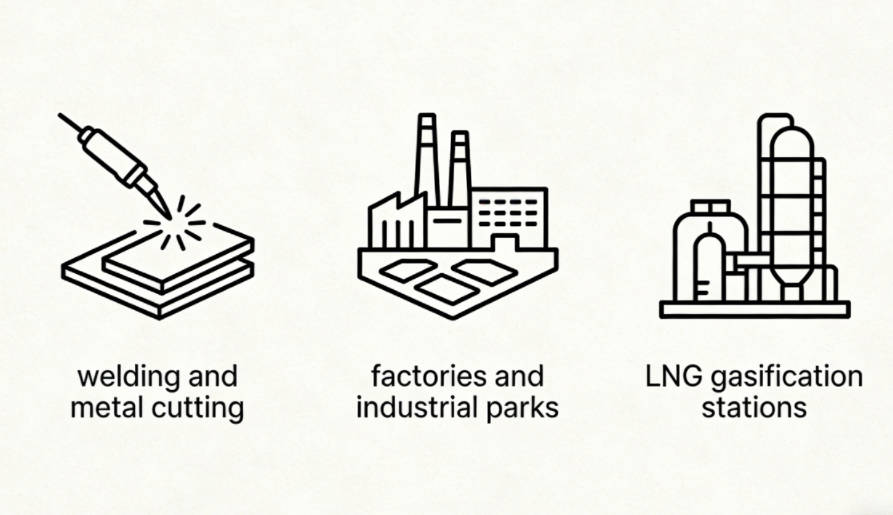
DINAK tanks see regular use in factories to store large amounts of gases like liquid oxygen, liquid nitrogen, liquid argon and liquid carbon dioxide. Cryogenic liquid vacuum storage tanks providing stable and large-scale liquid oxygen, liquid nitrogen, and liquid argon sources for factories and industrial parks. These gases fill important spots in welding, metal cutting, chip making, and cooling setups.
Storing and Managing LNG in the Oil & Gas Sector
Oil & gas industry depend on DINAK tanks to store cold fuels such as liquefied natural gas. For example, as the core storage equipment for LNG refueling stations, LNG gasification stations, LNG storage and distribution stations, and urban peak shaving stations. Their adjustable setups let them fit exact growing energy plans.
Conclusion
DINAK cryogenic storage tanks mix careful engineering, material basics, and safety checks needed for dealing with liquefied gases in deep cold. Features like double-walled vacuum insulation, strong stainless steel builds, and following rules such as ASME give users confidence in many areas. Knowing their build basics aids in cutting dangers while boosting daily workflow. With more than 20 years of experience focusing on gas processing technologies, we are committed to delivering high-quality products backed by reliable after-sales service.
FAQ
Q: What is the purpose of a cryogenic storage tank?
A: It is used to safely store liquefied gases like oxygen or nitrogen at extremely low temperatures.
Q: Why is vacuum insulation important in these tanks?
A: Vacuum insulation minimizes heat transfer into the tank, helping maintain the low temperature needed to keep gases in liquid form.
Q: What materials are used in DINAK cryogenic tanks?
A: Austenitic stainless steel is used due to its strength, corrosion resistance, and durability at cryogenic temperatures.
Q: Are DINAK tanks compliant with international safety standards?
A: Yes, they meet ASME codes requirements to ensure safe operation globally.
-430x247.jpg)
内页小-430x246.jpg)